Agency proposes to remove retake waiting periods, rename exam fee and simplify applicator categories
February 10, 2026 | Agriculture, SENATE, Committees, Legislative , Vermont
This article was created by AI summarizing key points discussed. AI makes mistakes, so for full details and context, please refer to the video of the full meeting. Please report any errors so we can fix them. Report an error »
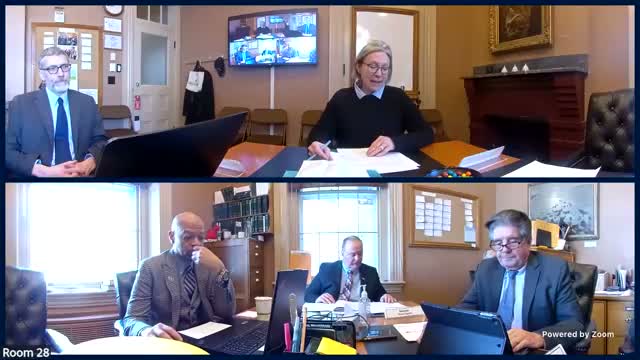
Stephanie Smith, deputy director of the Plant Industry Division at the Vermont Agency of Agriculture, Food and Markets, told a committee the agency will amend the pesticide applicator statute to simplify exam administration and make it easier for people to become or remain employed as applicators.
Smith said the proposals would collapse a separate "government" category so municipal and public-education applicators fall under the same classification and would convert an existing $25 retake fee into a broader exam or application fee intended to cover administrative costs. "We're kind of collapsing government applicators with municipal and public education applicator categories," she said, and the fee change would help cover the administrative purposes of the exams.
The most significant operational change she described is removing the current staged waiting periods for retakes — a 7‑day wait after the first scheduled attempt, then 30 days, then a year — so individuals "can take an exam when they want to take an exam," Smith said. The agency expects the change will "allow people to be employed, and it will also support companies that need pesticide applicators," she added. Smith emphasized the agency will continue outreach, inspections and continuing‑education requirements for certified applicators.
A committee member asked about long‑time licensees who inadvertently fail to renew. Smith said annual renewal is required and that, where renewals lapse, the remedy is to retake the exams to recertify. She stated the renewal window is a five‑year span for counting continuing‑education credits, and said she could not recall the exact private‑applicator credit total (she said it "might be 8 credits" over five years) while noting commercial applicators generally need about 16 credits over the same period.
The agency framed the package as an administrative, compliance and access change rather than a substantive loosening of pesticide oversight: "It's not like they become an applicator and they're done with us," Smith said, pointing to newsletters, continuing education and inspections the agency will continue to use for post‑certification engagement. No formal motions or votes were recorded on these sections during the meeting.
The committee closed the discussion without a vote and proceeded to other agenda items; the agency representative thanked members for the invitation and reminded members of an agricultural producer event that evening.
Smith said the proposals would collapse a separate "government" category so municipal and public-education applicators fall under the same classification and would convert an existing $25 retake fee into a broader exam or application fee intended to cover administrative costs. "We're kind of collapsing government applicators with municipal and public education applicator categories," she said, and the fee change would help cover the administrative purposes of the exams.
The most significant operational change she described is removing the current staged waiting periods for retakes — a 7‑day wait after the first scheduled attempt, then 30 days, then a year — so individuals "can take an exam when they want to take an exam," Smith said. The agency expects the change will "allow people to be employed, and it will also support companies that need pesticide applicators," she added. Smith emphasized the agency will continue outreach, inspections and continuing‑education requirements for certified applicators.
A committee member asked about long‑time licensees who inadvertently fail to renew. Smith said annual renewal is required and that, where renewals lapse, the remedy is to retake the exams to recertify. She stated the renewal window is a five‑year span for counting continuing‑education credits, and said she could not recall the exact private‑applicator credit total (she said it "might be 8 credits" over five years) while noting commercial applicators generally need about 16 credits over the same period.
The agency framed the package as an administrative, compliance and access change rather than a substantive loosening of pesticide oversight: "It's not like they become an applicator and they're done with us," Smith said, pointing to newsletters, continuing education and inspections the agency will continue to use for post‑certification engagement. No formal motions or votes were recorded on these sections during the meeting.
The committee closed the discussion without a vote and proceeded to other agenda items; the agency representative thanked members for the invitation and reminded members of an agricultural producer event that evening.
Don't Miss a Word: See the Full Meeting!
Go beyond summaries. Unlock every video, transcript, and key insight with a Founder Membership.
✓
Get instant access to full meeting videos
✓
Search and clip any phrase from complete transcripts
✓
Receive AI-powered summaries & custom alerts
✓
Enjoy lifetime, unrestricted access to government data
30-day money-back guarantee
