Simsbury board adopts ordinance exempting horses and ponies from personal property tax
February 10, 2026 | Simsbury Center, Capitol County, Connecticut
This article was created by AI summarizing key points discussed. AI makes mistakes, so for full details and context, please refer to the video of the full meeting. Please report any errors so we can fix them. Report an error »
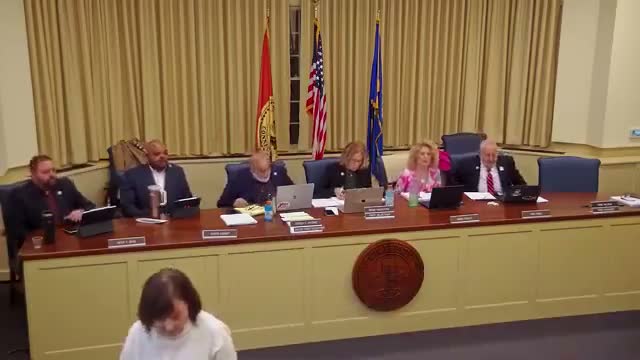
The Board of Selectmen voted 5–1 on Feb. 9, 2026 to adopt a municipal‑option ordinance to exempt horses and ponies from personal property taxation, effective with the 2025 grand list, after a public hearing that drew dozens of residents and business operators.
The hearing produced sharply divided testimony. Joan Coe and other speakers urged the board to reject the exemption, arguing that equestrian facilities that operate as businesses should not receive a special tax break and that exemptions shift the tax burden to other residents. Folly Farm and Volley Farm representatives — including Linda Krowitzki and Britney Watrous — warned that current assessor processes have imposed an undue administrative burden on local equestrian businesses, citing AI valuation methods and wide valuation ranges that make appeals and compliance difficult. Watrous said the assessment process cost her business roughly $10,000 per month in lost income after clients moved horses to other towns ahead of reporting deadlines.
Town staff and the town manager framed the choice as an equity and administrative tradeoff. Town officials said assessors lack a standardized, reliable method to value a broad range of horses and that enforcement had produced uneven results — with taxes collected only from those who self‑reported. Faced with an expensive, time‑consuming enforcement exercise and the risk of burdening local businesses, staff recommended invoking the statutory municipal option to exempt horses and ponies, estimating the revenue impact at roughly $20,000 or less.
Following board discussion and motions, the board enacted the ordinance and directed staff to publish a summary and public notice of the change.
The hearing produced sharply divided testimony. Joan Coe and other speakers urged the board to reject the exemption, arguing that equestrian facilities that operate as businesses should not receive a special tax break and that exemptions shift the tax burden to other residents. Folly Farm and Volley Farm representatives — including Linda Krowitzki and Britney Watrous — warned that current assessor processes have imposed an undue administrative burden on local equestrian businesses, citing AI valuation methods and wide valuation ranges that make appeals and compliance difficult. Watrous said the assessment process cost her business roughly $10,000 per month in lost income after clients moved horses to other towns ahead of reporting deadlines.
Town staff and the town manager framed the choice as an equity and administrative tradeoff. Town officials said assessors lack a standardized, reliable method to value a broad range of horses and that enforcement had produced uneven results — with taxes collected only from those who self‑reported. Faced with an expensive, time‑consuming enforcement exercise and the risk of burdening local businesses, staff recommended invoking the statutory municipal option to exempt horses and ponies, estimating the revenue impact at roughly $20,000 or less.
Following board discussion and motions, the board enacted the ordinance and directed staff to publish a summary and public notice of the change.
Don't Miss a Word: See the Full Meeting!
Go beyond summaries. Unlock every video, transcript, and key insight with a Founder Membership.
✓
Get instant access to full meeting videos
✓
Search and clip any phrase from complete transcripts
✓
Receive AI-powered summaries & custom alerts
✓
Enjoy lifetime, unrestricted access to government data
30-day money-back guarantee
