Virginia panel debates expanding vacatur for trafficking survivors; prosecutors seek causal safeguards
February 09, 2026 | 2026 Legislature VA, Virginia
This article was created by AI summarizing key points discussed. AI makes mistakes, so for full details and context, please refer to the video of the full meeting. Please report any errors so we can fix them. Report an error »
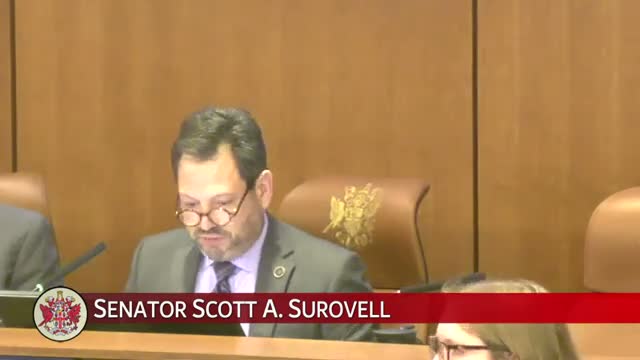
Senator Locke introduced SB 748 on Feb. 9 to broaden the state’s vacatur statute for trafficking survivors, proposing that courts treat convictions for misdemeanors and nonviolent felonies differently when those offenses were committed as a direct result of trafficking victimization. Locke said the bill "expands vacatur eligibility to all misdemeanors and all nonviolent felonies when committed as a direct result of trafficking victimization," while emphasizing that relief would not be automatic and judges would retain discretion.
Proponents told the Senate Courts of Justice Committee that the bill would reduce retraumatization and speed relief. Robert Forrest of the Virginia Coalition Against Human Trafficking testified, “We strongly support the bill as well as the rebuttable presumption,” and said official agency designations should carry weight. Meg Kelsey of Regent Law Center said only a handful of survivors have successfully used vacatur under current law and that prosecutors have sometimes required survivors to relitigate their victim status despite federal certifications.
Commonwealth attorneys raised repeated concerns about the language creating a rebuttable presumption of causation. Nathan Green, speaking for the Virginia Association of Commonwealth’s Attorneys, said he supported expanding eligibility and the presumption of victimhood but warned that a presumptive link between victim status and the criminal act could shift an evidentiary burden onto prosecutors in cases where corroborating evidence is not accessible: "To just presume that if they were identified as a victim, any crime they committed is therefore to be vacated—that's where we have concerns." He asked for language requiring independent corroboration in official documentation or other evidence of causal connection.
Committee members probed whether the rebuttable presumption would apply to offenses committed long after trafficking ended, and whether it would cover crimes with serious public-safety consequences. Supporters noted the bill narrows the presumption to victim status "at the time of the offense," and argued judges and prosecutors would still assess proximate cause by existing standards.
The committee did not finalize the measure on the floor that day and the sponsor and stakeholders indicated they would work offline on clarifying amendments to address prosecutors’ concerns about independent corroboration of causation.
Proponents told the Senate Courts of Justice Committee that the bill would reduce retraumatization and speed relief. Robert Forrest of the Virginia Coalition Against Human Trafficking testified, “We strongly support the bill as well as the rebuttable presumption,” and said official agency designations should carry weight. Meg Kelsey of Regent Law Center said only a handful of survivors have successfully used vacatur under current law and that prosecutors have sometimes required survivors to relitigate their victim status despite federal certifications.
Commonwealth attorneys raised repeated concerns about the language creating a rebuttable presumption of causation. Nathan Green, speaking for the Virginia Association of Commonwealth’s Attorneys, said he supported expanding eligibility and the presumption of victimhood but warned that a presumptive link between victim status and the criminal act could shift an evidentiary burden onto prosecutors in cases where corroborating evidence is not accessible: "To just presume that if they were identified as a victim, any crime they committed is therefore to be vacated—that's where we have concerns." He asked for language requiring independent corroboration in official documentation or other evidence of causal connection.
Committee members probed whether the rebuttable presumption would apply to offenses committed long after trafficking ended, and whether it would cover crimes with serious public-safety consequences. Supporters noted the bill narrows the presumption to victim status "at the time of the offense," and argued judges and prosecutors would still assess proximate cause by existing standards.
The committee did not finalize the measure on the floor that day and the sponsor and stakeholders indicated they would work offline on clarifying amendments to address prosecutors’ concerns about independent corroboration of causation.
Don't Miss a Word: See the Full Meeting!
Go beyond summaries. Unlock every video, transcript, and key insight with a Founder Membership.
✓
Get instant access to full meeting videos
✓
Search and clip any phrase from complete transcripts
✓
Receive AI-powered summaries & custom alerts
✓
Enjoy lifetime, unrestricted access to government data
30-day money-back guarantee
