Rolling Hills Estates finance director says city remains structurally balanced at midyear
February 10, 2026 | Rolling Hills Estates, Los Angeles County, California
This article was created by AI summarizing key points discussed. AI makes mistakes, so for full details and context, please refer to the video of the full meeting. Please report any errors so we can fix them. Report an error »
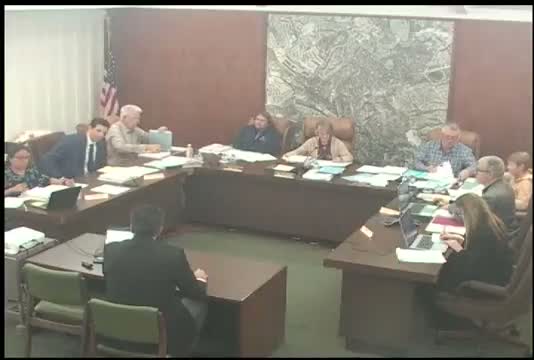
The city’s finance director presented a midyear budget update to the Rolling Hills Estates City Council on Feb. 10, saying the adopted fiscal‑year budget remains structurally balanced on an operating basis and that revenues through the first six months are tracking slightly ahead of the seasonal prorated expectations.
The director said property‑tax growth has slowed relative to previous years — noting a 3.3% increase last year and possible impacts from local “land movement” — but that building permit revenues, including fees from expedited services provided through contractor Willdan, are significantly higher than anticipated. “The general fund remains structurally balanced,” the finance director said during the presentation.
Council members pressed staff about an unexplained prior‑year swing in the city’s building‑services revenue and costs, a discrepancy staff said amounts to roughly a $200,000 anomaly tied to county invoicing and accounting. Staff told council they are continuing to work with the county’s building and safety division to reconcile invoices, review formulas and compile supporting materials, and that more detailed invoices and redactions are being assembled for review.
On expenditures, staff said operating departments are, overall, near budget and highlighted specific variances: city administration showed an unfavorable variance largely from an unfunded pension payment and unbudgeted legal costs; finance is expected to be under budget after auditor fees; planning is tracking close to budget despite contracted Willdan work filling vacancies; and public safety remains aligned with contract invoice timing.
Staff also noted receipt of approximately $191,000 in the first six months from Willdan expedited building services, compared with $107,000 for the previous full year, and recommended a technical budget adjustment to move community association‑funded tennis‑court contributions into the capital projects fund when final costs are known.
Council voted to receive and file the midyear report. Next steps include continued reconciliation with the county on last year’s building revenues and quarterly budget monitoring staff reports.
The director said property‑tax growth has slowed relative to previous years — noting a 3.3% increase last year and possible impacts from local “land movement” — but that building permit revenues, including fees from expedited services provided through contractor Willdan, are significantly higher than anticipated. “The general fund remains structurally balanced,” the finance director said during the presentation.
Council members pressed staff about an unexplained prior‑year swing in the city’s building‑services revenue and costs, a discrepancy staff said amounts to roughly a $200,000 anomaly tied to county invoicing and accounting. Staff told council they are continuing to work with the county’s building and safety division to reconcile invoices, review formulas and compile supporting materials, and that more detailed invoices and redactions are being assembled for review.
On expenditures, staff said operating departments are, overall, near budget and highlighted specific variances: city administration showed an unfavorable variance largely from an unfunded pension payment and unbudgeted legal costs; finance is expected to be under budget after auditor fees; planning is tracking close to budget despite contracted Willdan work filling vacancies; and public safety remains aligned with contract invoice timing.
Staff also noted receipt of approximately $191,000 in the first six months from Willdan expedited building services, compared with $107,000 for the previous full year, and recommended a technical budget adjustment to move community association‑funded tennis‑court contributions into the capital projects fund when final costs are known.
Council voted to receive and file the midyear report. Next steps include continued reconciliation with the county on last year’s building revenues and quarterly budget monitoring staff reports.
View the Full Meeting & All Its Details
This article offers just a summary. Unlock complete video, transcripts, and insights as a Founder Member.
✓
Watch full, unedited meeting videos
✓
Search every word spoken in unlimited transcripts
✓
AI summaries & real-time alerts (all government levels)
✓
Permanent access to expanding government content
30-day money-back guarantee
