Maine bureau: 159 veterans known to be homeless, bureau proposes tying state per‑diem to federal rate
February 09, 2026 | 2026 Legislature ME, Maine
This article was created by AI summarizing key points discussed. AI makes mistakes, so for full details and context, please refer to the video of the full meeting. Please report any errors so we can fix them. Report an error »
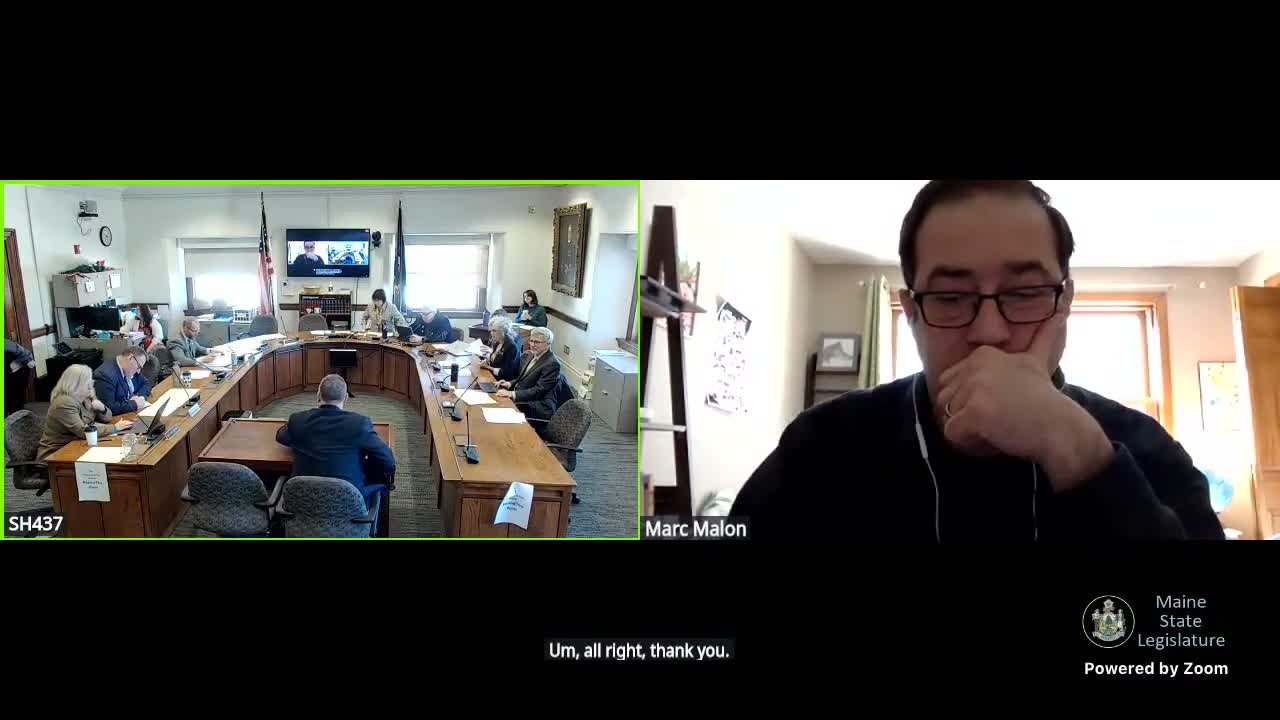
Director David Richmond of the Maine Bureau of Veteran Services told the Veterans and Legal Affairs Committee on Feb. 9 that the state’s coordinated tracking system currently lists 159 veterans known to be experiencing homelessness, of whom about 60 are unsheltered and roughly 95 are in sheltered or transitional situations.
The numbers come from the HVAC (homeless veteran action committee) by‑name list and related case management tools. "A snapshot in time in November, there was 156 veterans identified statewide," Richmond said, adding that an updated call to the by‑name manager in February showed 159. He emphasized the list is a collective product of case managers across state and nonprofit partners and noted some veterans decline outreach and therefore do not appear on the list.
Why it matters: the committee heard that the state’s Veterans Homeless Prevention Partnership Fund and the Veterans Emergency Financial Assistance Program (VFAP) are active tools for helping veterans with short‑term needs such as utility arrears, vehicle repairs and temporary hotel placements. Richmond said the Prevention Fund balance on Feb. 5 was $269,353 with $32,520 encumbered (total $301,874) and FY25 disbursements totaled about $87,029.
Richmond proposed rulemaking to tie the state per‑diem amount for prevention payments to the federal per‑diem rate, which recently rose from $50 to about $85 per day. "We're proposing to match the federal per diem rate," Richmond said, arguing that indexing the state rate to the federal number would maintain purchasing power over time and allow the Prevention Fund to do more work immediately.
Committee members raised data‑clarity questions during a lengthy Q&A. Representative Ian Fredericks and Senator Timberlake pressed for clearer reconciliation among three data sources the bureau uses: the by‑name list (HVAC), HMIS (the Homeless Management Information System used by shelters) and the bureau’s IQ case management subset. Richmond explained the differences: the by‑name list is the statewide inventory maintained collaboratively; HMIS reports sheltered veterans in provider systems; and IQ shows the subset of veterans the bureau’s coordinators actively work with.
Outreach and program design: Richmond described mobile stand downs and housing surges — coordinated outreach where teams proactively find veterans, provide supplies and connect them to housing inventory. He credited a recent effort for helping 82 veterans across four locations and said the bureau will continue pairing stand downs with housing searches.
On barriers to shelter entry, Deputy Matt Kennedy and Dan Hodgkins of Preble Street explained facility rules vary by site. "Some GPDs (Grant Per Diem programs) require passing a drug screen before entrance," Kennedy said, but he and Hodgkins noted low‑barrier options exist and caseworkers repeatedly attempt to re‑engage veterans who initially decline services.
What’s next: Richmond said he will pursue rulemaking to index the state per‑diem to the federal rate and provide membership and tenure details for HVAC partners at members’ request. He also asked the panel to help publicize a bureau resource guide and to assist with clarification from the VA about recent policy changes to HUD‑VASH eligibility that could affect the housing‑first approach.
The committee did not take formal action on the report but used the briefing to press for clearer metrics and to explore options for short‑term funding flexibility.
The numbers come from the HVAC (homeless veteran action committee) by‑name list and related case management tools. "A snapshot in time in November, there was 156 veterans identified statewide," Richmond said, adding that an updated call to the by‑name manager in February showed 159. He emphasized the list is a collective product of case managers across state and nonprofit partners and noted some veterans decline outreach and therefore do not appear on the list.
Why it matters: the committee heard that the state’s Veterans Homeless Prevention Partnership Fund and the Veterans Emergency Financial Assistance Program (VFAP) are active tools for helping veterans with short‑term needs such as utility arrears, vehicle repairs and temporary hotel placements. Richmond said the Prevention Fund balance on Feb. 5 was $269,353 with $32,520 encumbered (total $301,874) and FY25 disbursements totaled about $87,029.
Richmond proposed rulemaking to tie the state per‑diem amount for prevention payments to the federal per‑diem rate, which recently rose from $50 to about $85 per day. "We're proposing to match the federal per diem rate," Richmond said, arguing that indexing the state rate to the federal number would maintain purchasing power over time and allow the Prevention Fund to do more work immediately.
Committee members raised data‑clarity questions during a lengthy Q&A. Representative Ian Fredericks and Senator Timberlake pressed for clearer reconciliation among three data sources the bureau uses: the by‑name list (HVAC), HMIS (the Homeless Management Information System used by shelters) and the bureau’s IQ case management subset. Richmond explained the differences: the by‑name list is the statewide inventory maintained collaboratively; HMIS reports sheltered veterans in provider systems; and IQ shows the subset of veterans the bureau’s coordinators actively work with.
Outreach and program design: Richmond described mobile stand downs and housing surges — coordinated outreach where teams proactively find veterans, provide supplies and connect them to housing inventory. He credited a recent effort for helping 82 veterans across four locations and said the bureau will continue pairing stand downs with housing searches.
On barriers to shelter entry, Deputy Matt Kennedy and Dan Hodgkins of Preble Street explained facility rules vary by site. "Some GPDs (Grant Per Diem programs) require passing a drug screen before entrance," Kennedy said, but he and Hodgkins noted low‑barrier options exist and caseworkers repeatedly attempt to re‑engage veterans who initially decline services.
What’s next: Richmond said he will pursue rulemaking to index the state per‑diem to the federal rate and provide membership and tenure details for HVAC partners at members’ request. He also asked the panel to help publicize a bureau resource guide and to assist with clarification from the VA about recent policy changes to HUD‑VASH eligibility that could affect the housing‑first approach.
The committee did not take formal action on the report but used the briefing to press for clearer metrics and to explore options for short‑term funding flexibility.
Don't Miss a Word: See the Full Meeting!
Go beyond summaries. Unlock every video, transcript, and key insight with a Founder Membership.
✓
Get instant access to full meeting videos
✓
Search and clip any phrase from complete transcripts
✓
Receive AI-powered summaries & custom alerts
✓
Enjoy lifetime, unrestricted access to government data
30-day money-back guarantee
