Working group approves directing residential charging taxes to highway fund, expanding auto-parts sales tax to chargers and noting municipal shares; final group
February 09, 2026 | 2026 Legislature MN, Minnesota
This article was created by AI summarizing key points discussed. AI makes mistakes, so for full details and context, please refer to the video of the full meeting. Please report any errors so we can fix them. Report an error »
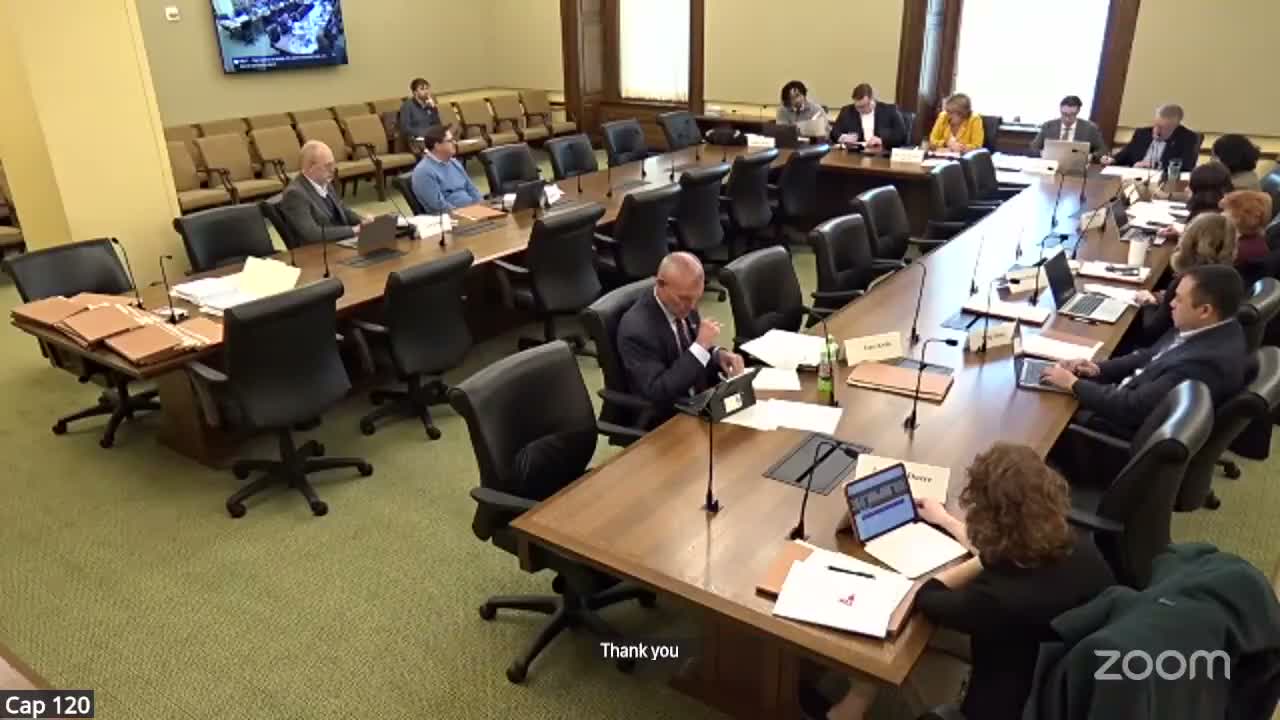
The Electricity as Vehicle Fuel working group approved several revenue-direction recommendations and then adopted its final report to the Legislature.
John Pollard (building trades) proposed that tax revenue obtained from residential EV charging be distributed to the Highway User Tax Distribution Fund rather than the general fund; he argued the state constitution dedicates fuel-related revenue to highway uses. The group voted to continue pursuing and eventually implement such a system; the roll call recorded 11 ayes, 0 nays and 7 abstentions. Chair Johnson Stewart later withdrew a supplemental research-grant recommendation.
Separately, Justin Emerich proposed expanding the dedicated auto-parts sales tax to include EV chargers and charging components so those sales-tax receipts would route to highway-related funds; members discussed whether this changes the tax incidence or merely redirects existing tax receipts. That recommendation was recorded (11 ayes, 0 nays, 7 abstain).
Gary Hanson of the League of Minnesota Cities urged that a portion of revenue from EV assessments be dedicated to municipalities to support local road and bridge construction and maintenance; the item was recorded with 6 ayes, 0 nays and 12 abstentions.
After discussing report language, definitions of “public” charging and how votes are presented, the working group voted unanimously (17 ayes) to adopt the final working-group report and authorized staff to prepare and submit the document to the Legislature.
Why it matters: The recommended distribution of revenue and reclassification of certain tax receipts would affect how funds are allocated for state and local road maintenance, and whether equipment purchases generate revenue for highway funds.
What happens next: Staff will incorporate the approved recommendations and vote records into the final report for legislative consideration.
John Pollard (building trades) proposed that tax revenue obtained from residential EV charging be distributed to the Highway User Tax Distribution Fund rather than the general fund; he argued the state constitution dedicates fuel-related revenue to highway uses. The group voted to continue pursuing and eventually implement such a system; the roll call recorded 11 ayes, 0 nays and 7 abstentions. Chair Johnson Stewart later withdrew a supplemental research-grant recommendation.
Separately, Justin Emerich proposed expanding the dedicated auto-parts sales tax to include EV chargers and charging components so those sales-tax receipts would route to highway-related funds; members discussed whether this changes the tax incidence or merely redirects existing tax receipts. That recommendation was recorded (11 ayes, 0 nays, 7 abstain).
Gary Hanson of the League of Minnesota Cities urged that a portion of revenue from EV assessments be dedicated to municipalities to support local road and bridge construction and maintenance; the item was recorded with 6 ayes, 0 nays and 12 abstentions.
After discussing report language, definitions of “public” charging and how votes are presented, the working group voted unanimously (17 ayes) to adopt the final working-group report and authorized staff to prepare and submit the document to the Legislature.
Why it matters: The recommended distribution of revenue and reclassification of certain tax receipts would affect how funds are allocated for state and local road maintenance, and whether equipment purchases generate revenue for highway funds.
What happens next: Staff will incorporate the approved recommendations and vote records into the final report for legislative consideration.
View the Full Meeting & All Its Details
This article offers just a summary. Unlock complete video, transcripts, and insights as a Founder Member.
✓
Watch full, unedited meeting videos
✓
Search every word spoken in unlimited transcripts
✓
AI summaries & real-time alerts (all government levels)
✓
Permanent access to expanding government content
30-day money-back guarantee
