Defense says prosecutor's closing urged jurors to 'disregard' defense expert; court hears competing views
February 09, 2026 | Judicial - Supreme Court, Judicial, Massachusetts
This article was created by AI summarizing key points discussed. AI makes mistakes, so for full details and context, please refer to the video of the full meeting. Please report any errors so we can fix them. Report an error »
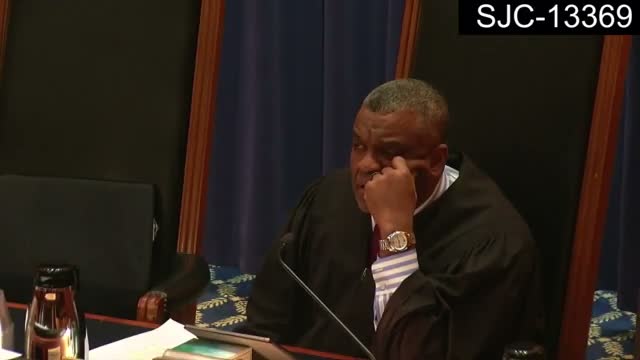
Defense counsel William Smith told the court that a repeated prosecutorial theme during closing — that the defense expert was "an advocate, not a witness" — and statements such as "there's nothing here" asked jurors to disregard the expert's testimony. "If you tell the jury that there's nothing here, then what you're really saying ... is, you can disregard what doctor Sherry testified to," Smith said, arguing this systematic attack posed a substantial risk to the defendant's only defense.
Smith said that calling the expert an "advocate" was more than a passing remark: it was a thematic line of argument that, when combined with instructions telling jurors to ignore non‑evidentiary remarks, leaves jurors with no practical way to separate the prosecutor's denigration from the expert's admissions. He urged the court to treat the argument as capable of producing reversible error, particularly where criminal responsibility was the defendant's primary avenue of defense.
The Commonwealth, through Travis Lynch, replied that the prosecutor's characterization was rooted in evidence and expert testimony at trial — specifically the critique by the Commonwealth's expert (referred to as Dr. Saleh/Zalley in the transcript) about Dr. Sherry's methodology and contacts with the defendant. "Calling him an advocate is an entirely different thing," Lynch acknowledged as a rhetorical point, but he maintained the prosecutor was permitted to challenge Dr. Sherry's credibility and methodology and that much of the prosecutor's remarks followed from testimony elicited by defense counsel.
Justices questioned whether the absence of a contemporaneous objection at trial should influence appellate review. Lynch noted the lack of objection reduces the prospects for reversal under the applicable standard. The court also discussed whether the closing argument, considered on this record, went beyond permissible bounds because the defense expert's testimony had been developed on cross‑examination.
The justices did not announce a decision at argument. The question for the court is whether the prosecutor's repeated characterization of the defense expert and related statements so infected the trial that reversal is required under the law cited by the parties.
Smith said that calling the expert an "advocate" was more than a passing remark: it was a thematic line of argument that, when combined with instructions telling jurors to ignore non‑evidentiary remarks, leaves jurors with no practical way to separate the prosecutor's denigration from the expert's admissions. He urged the court to treat the argument as capable of producing reversible error, particularly where criminal responsibility was the defendant's primary avenue of defense.
The Commonwealth, through Travis Lynch, replied that the prosecutor's characterization was rooted in evidence and expert testimony at trial — specifically the critique by the Commonwealth's expert (referred to as Dr. Saleh/Zalley in the transcript) about Dr. Sherry's methodology and contacts with the defendant. "Calling him an advocate is an entirely different thing," Lynch acknowledged as a rhetorical point, but he maintained the prosecutor was permitted to challenge Dr. Sherry's credibility and methodology and that much of the prosecutor's remarks followed from testimony elicited by defense counsel.
Justices questioned whether the absence of a contemporaneous objection at trial should influence appellate review. Lynch noted the lack of objection reduces the prospects for reversal under the applicable standard. The court also discussed whether the closing argument, considered on this record, went beyond permissible bounds because the defense expert's testimony had been developed on cross‑examination.
The justices did not announce a decision at argument. The question for the court is whether the prosecutor's repeated characterization of the defense expert and related statements so infected the trial that reversal is required under the law cited by the parties.
Don't Miss a Word: See the Full Meeting!
Go beyond summaries. Unlock every video, transcript, and key insight with a Founder Membership.
✓
Get instant access to full meeting videos
✓
Search and clip any phrase from complete transcripts
✓
Receive AI-powered summaries & custom alerts
✓
Enjoy lifetime, unrestricted access to government data
30-day money-back guarantee
