Monmouth County panel highlights new hoarding task force, local supports through Monmouth ACTS
February 09, 2026 | Monmouth County, New Jersey
This article was created by AI summarizing key points discussed. AI makes mistakes, so for full details and context, please refer to the video of the full meeting. Please report any errors so we can fix them. Report an error »
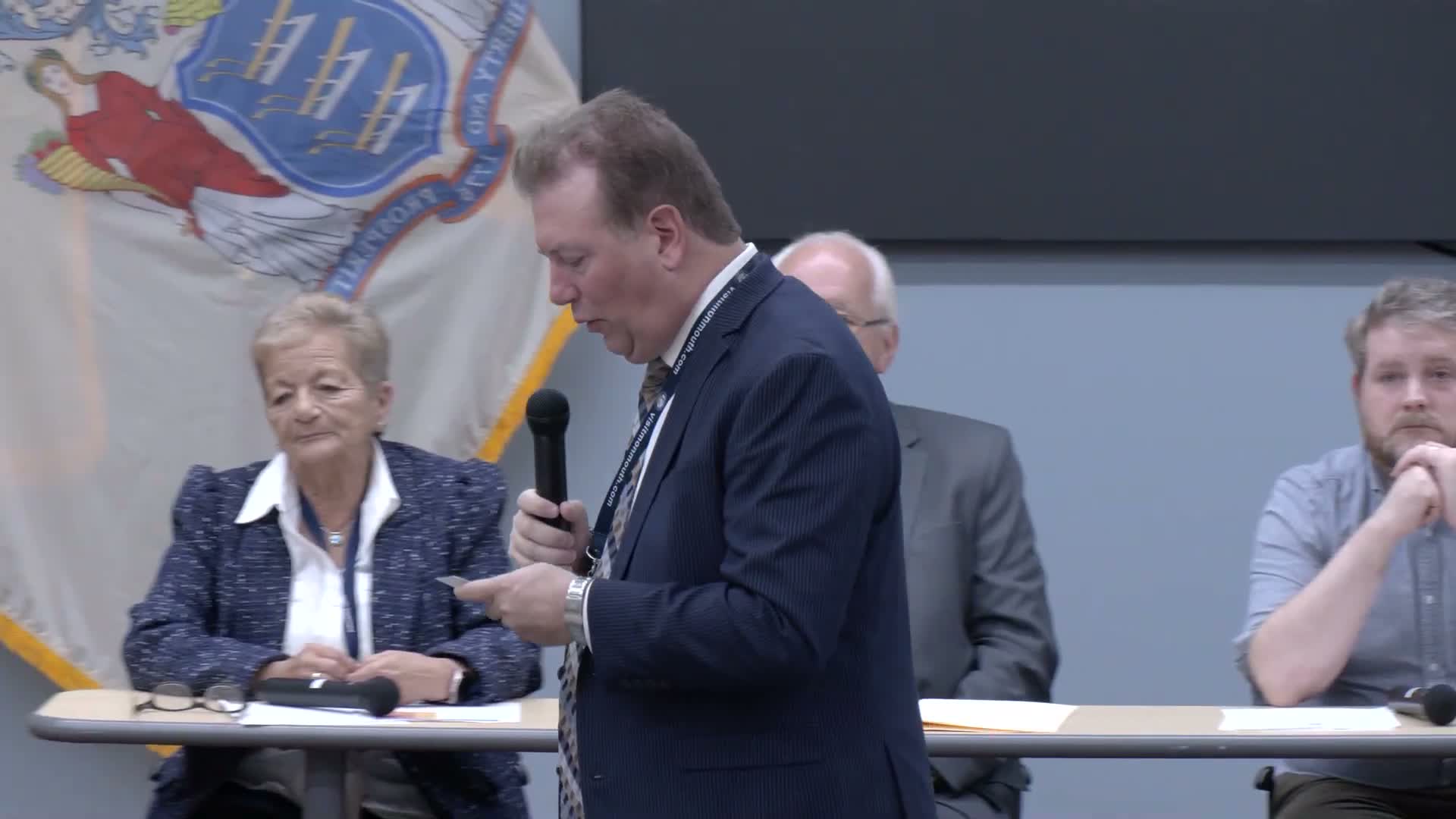
Monmouth County health officials and local service providers onstage at a county forum outlined how a new hoarding task force and Monmouth ACTS partnership are coordinating services for residents struggling with hoarding disorder.
The forum's organizers said Monmouth ACTS, a public'private partnership of county divisions and nonprofit groups, operates a phone-line and five community hubs that help residents connect to housing assistance, behavioral health services and bilingual social workers. Candice Sparks, Monmouth ACTS coordinator, described the group as "no wrong door," directing callers to agencies and nonprofits that can address needs from food security to housing follow-up.
Panelists said the task force emerged from Monmouth ACTS meetings and division directors agreeing to collaborate. Moderator credited Director Peter Boynton and division staff for long-term work to launch the task force and for producing a community resource guide. The county emphasized that the effort is county-focused but willing to share lessons with neighboring jurisdictions.
Speakers described how multidisciplinary responses work in practice. Gerald Bridal, a public health nurse with 40 years of experience, said successful interventions prioritize relationship-building and small, repeated steps to gain trust. "You have to go in softly," Gerald said, noting nurses often spend months on follow-up and rely on counseling, code and fire departments to allow extended time for remediation. Gerald recounted a case that took about six months to resolve and involved counseling and multiple agency visits.
Brandon, a private contractor who works with cleanup teams and payment plans through a firm called Lifecycle, said local solutions are the norm and costs vary widely: some cases have required a few thousand dollars, others hundreds of thousands. He recommended checking council-on-aging programs and agency grants that may cover light and heavy chores and noted his organization offers payment plans for low-income residents.
Panelists stressed that community engagement can be critical. Brandon described a cleanup where neighbors volunteered to help once trust was established; Larry Kasakoff of the Monmouth County Health Department urged building municipal relationships "long before the bell rings" so partners respond when cases arise.
The forum closed with moderators promising to share slides and resources distributed at the event, and urging attendees to complete evaluations and continue networking to sustain the cross-agency response.
The county said the task force and Monmouth ACTS will continue to refine the resource guide and outreach hubs so residents and service providers can more easily find the combination of counseling, social services and remediation support that often resolves both safety and family-dynamic issues.
The forum's organizers said Monmouth ACTS, a public'private partnership of county divisions and nonprofit groups, operates a phone-line and five community hubs that help residents connect to housing assistance, behavioral health services and bilingual social workers. Candice Sparks, Monmouth ACTS coordinator, described the group as "no wrong door," directing callers to agencies and nonprofits that can address needs from food security to housing follow-up.
Panelists said the task force emerged from Monmouth ACTS meetings and division directors agreeing to collaborate. Moderator credited Director Peter Boynton and division staff for long-term work to launch the task force and for producing a community resource guide. The county emphasized that the effort is county-focused but willing to share lessons with neighboring jurisdictions.
Speakers described how multidisciplinary responses work in practice. Gerald Bridal, a public health nurse with 40 years of experience, said successful interventions prioritize relationship-building and small, repeated steps to gain trust. "You have to go in softly," Gerald said, noting nurses often spend months on follow-up and rely on counseling, code and fire departments to allow extended time for remediation. Gerald recounted a case that took about six months to resolve and involved counseling and multiple agency visits.
Brandon, a private contractor who works with cleanup teams and payment plans through a firm called Lifecycle, said local solutions are the norm and costs vary widely: some cases have required a few thousand dollars, others hundreds of thousands. He recommended checking council-on-aging programs and agency grants that may cover light and heavy chores and noted his organization offers payment plans for low-income residents.
Panelists stressed that community engagement can be critical. Brandon described a cleanup where neighbors volunteered to help once trust was established; Larry Kasakoff of the Monmouth County Health Department urged building municipal relationships "long before the bell rings" so partners respond when cases arise.
The forum closed with moderators promising to share slides and resources distributed at the event, and urging attendees to complete evaluations and continue networking to sustain the cross-agency response.
The county said the task force and Monmouth ACTS will continue to refine the resource guide and outreach hubs so residents and service providers can more easily find the combination of counseling, social services and remediation support that often resolves both safety and family-dynamic issues.
View the Full Meeting & All Its Details
This article offers just a summary. Unlock complete video, transcripts, and insights as a Founder Member.
✓
Watch full, unedited meeting videos
✓
Search every word spoken in unlimited transcripts
✓
AI summaries & real-time alerts (all government levels)
✓
Permanent access to expanding government content
30-day money-back guarantee
