Panelists: legal tools for hoarding in New Jersey are limited; eviction and ejection are distinct
February 09, 2026 | Monmouth County, New Jersey
This article was created by AI summarizing key points discussed. AI makes mistakes, so for full details and context, please refer to the video of the full meeting. Please report any errors so we can fix them. Report an error »
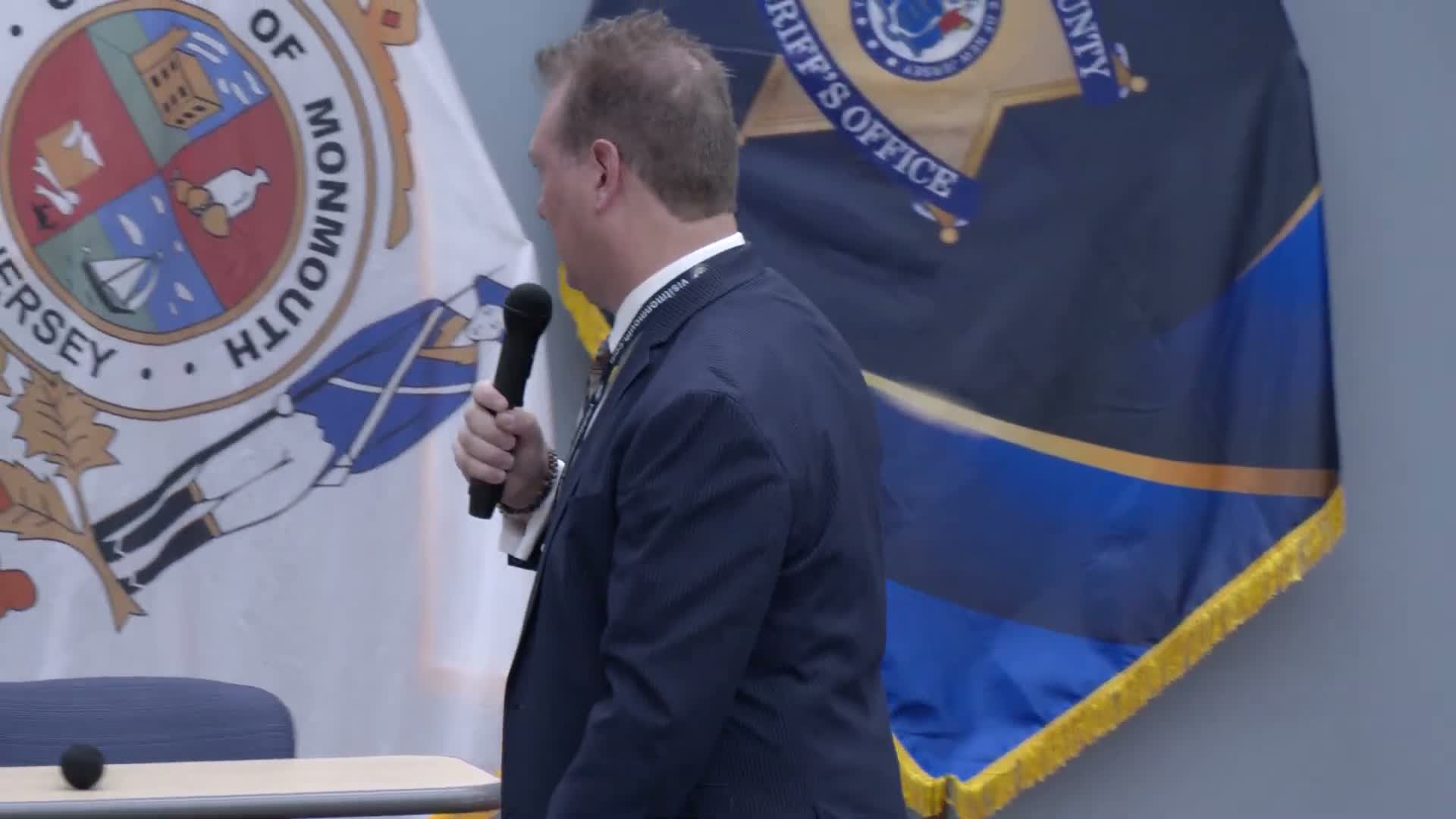
Attorneys and county officials at a Monmouth County forum walked attendees through the limited and often rigid legal options available when a resident with hoarding disorder refuses help.
Chris, an attorney speaking at the forum, explained the legal distinction between eviction and ejection: eviction applies when a person is a tenant with some right to occupy a dwelling; ejection applies to alleged squatters. He told the audience that adverse-possession claims (often described as "squatters' rights") are rare in New Jersey because a prescriptive period is long, and common-law adverse-possession typically requires about 10 years of continuous, open possession and notice to the owner.
On landlord-tenant law, Chris said the eviction process is primarily a binary remedy: either the tenant remains or the tenant is evicted. Judges in landlord-tenant courts generally cannot order tailored cleanup timelines or require a tenant to complete staged remediation; those courts are structured to resolve lease breaches, not to supervise long-term case management.
Panelists discussed enforcement options for interior hoarding problems: issuing notices of violation, involving family members to persuade the resident to accept help, or using housing-support programs when available. They cautioned that invoking child-protection services or other extreme measures is a serious step and not a routine tool for remediation.
The forum highlighted a practical limitation for agencies: while there is a legal venue (eviction court) to remove tenants, remedies in that venue are narrow and inflexible. Panelists said the combination of legal remedies, public health inspections and code enforcement often requires creative cross-agency collaboration to produce humane, workable outcomes for families and communities.
The forum did not announce changes to state law or new local ordinances; speakers emphasized relationship-building, community engagement and multidisciplinary responses as the primary means to address long-term hoarding cases.
Chris, an attorney speaking at the forum, explained the legal distinction between eviction and ejection: eviction applies when a person is a tenant with some right to occupy a dwelling; ejection applies to alleged squatters. He told the audience that adverse-possession claims (often described as "squatters' rights") are rare in New Jersey because a prescriptive period is long, and common-law adverse-possession typically requires about 10 years of continuous, open possession and notice to the owner.
On landlord-tenant law, Chris said the eviction process is primarily a binary remedy: either the tenant remains or the tenant is evicted. Judges in landlord-tenant courts generally cannot order tailored cleanup timelines or require a tenant to complete staged remediation; those courts are structured to resolve lease breaches, not to supervise long-term case management.
Panelists discussed enforcement options for interior hoarding problems: issuing notices of violation, involving family members to persuade the resident to accept help, or using housing-support programs when available. They cautioned that invoking child-protection services or other extreme measures is a serious step and not a routine tool for remediation.
The forum highlighted a practical limitation for agencies: while there is a legal venue (eviction court) to remove tenants, remedies in that venue are narrow and inflexible. Panelists said the combination of legal remedies, public health inspections and code enforcement often requires creative cross-agency collaboration to produce humane, workable outcomes for families and communities.
The forum did not announce changes to state law or new local ordinances; speakers emphasized relationship-building, community engagement and multidisciplinary responses as the primary means to address long-term hoarding cases.
View the Full Meeting & All Its Details
This article offers just a summary. Unlock complete video, transcripts, and insights as a Founder Member.
✓
Watch full, unedited meeting videos
✓
Search every word spoken in unlimited transcripts
✓
AI summaries & real-time alerts (all government levels)
✓
Permanent access to expanding government content
30-day money-back guarantee
