Investigators identify local officials behind acts of repudiation against U.S. ambassador in Cuba
This article was created by AI summarizing key points discussed. AI makes mistakes, so for full details and context, please refer to the video of the full meeting. Please report any errors so we can fix them. Report an error »
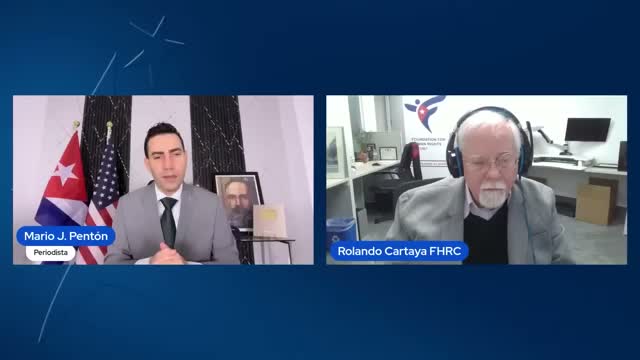
Journalist Mario Pentn and Rolando Cartalla, an investigator with the Foundation for Human Rights in Cuba, told Radio y Televisin Marts program Cuba al da that they have identified local officials they say organized anti-diplomat "acts of repudiation" against U.S. Ambassador Mike Hammer.
Cartalla said the events were orchestrated rather than spontaneous. "Los actos de repudio... los únicos que tuvieron para realizar estos actos de repudio fue a funcionarios del partido comunista y miembros militantes de la Unión de Jóvenes Comunistas," he said, and added the investigators have photos, official phone numbers and identity-card data for several participants.
The broadcast named specific local officials it said organized the events in Camagey, including Roberto Conde Silverio (identified on air as "el segundo secretario del partido comunista en la provincia de Camagey"), Yaimir Victoria Basulto (described as an ideological official) and Yurisney Hill Monteagudo (named as a youth union leader).
Cartalla cited documentation posted on RepresoresCubanos.com and said some of the named individuals had prior records referenced there. He invoked the Vienna Convention on Diplomatic Relations, saying a host state must protect the dignity and physical safety of accredited diplomats and arguing the acts offended those protections.
Pentn and Cartalla said the Foundations intent is to publish dossiers to create accountability; the program warned participants they could face future travel restrictions or legal consequences. The broadcast included no response from Cuban authorities or from the named officials.
The program also discussed the case of a young woman (identified as Mayeln Rodrguez on air) who recorded protests, was later convicted and separated from her child; Cartalla used her case to illustrate the consequences faced by those who document or oppose state actions.
The Foundations investigators and the broadcast presented documentation and names to support their claims; independent confirmation from Cuban authorities or the U.S. embassy was not provided on the program.
Cartalla said the events were orchestrated rather than spontaneous. "Los actos de repudio... los únicos que tuvieron para realizar estos actos de repudio fue a funcionarios del partido comunista y miembros militantes de la Unión de Jóvenes Comunistas," he said, and added the investigators have photos, official phone numbers and identity-card data for several participants.
The broadcast named specific local officials it said organized the events in Camagey, including Roberto Conde Silverio (identified on air as "el segundo secretario del partido comunista en la provincia de Camagey"), Yaimir Victoria Basulto (described as an ideological official) and Yurisney Hill Monteagudo (named as a youth union leader).
Cartalla cited documentation posted on RepresoresCubanos.com and said some of the named individuals had prior records referenced there. He invoked the Vienna Convention on Diplomatic Relations, saying a host state must protect the dignity and physical safety of accredited diplomats and arguing the acts offended those protections.
Pentn and Cartalla said the Foundations intent is to publish dossiers to create accountability; the program warned participants they could face future travel restrictions or legal consequences. The broadcast included no response from Cuban authorities or from the named officials.
The program also discussed the case of a young woman (identified as Mayeln Rodrguez on air) who recorded protests, was later convicted and separated from her child; Cartalla used her case to illustrate the consequences faced by those who document or oppose state actions.
The Foundations investigators and the broadcast presented documentation and names to support their claims; independent confirmation from Cuban authorities or the U.S. embassy was not provided on the program.
View the Full Meeting & All Its Details
This article offers just a summary. Unlock complete video, transcripts, and insights as a Founder Member.
✓
Watch full, unedited meeting videos
✓
Search every word spoken in unlimited transcripts
✓
AI summaries & real-time alerts (all government levels)
✓
Permanent access to expanding government content
30-day money-back guarantee
