Hosts say independent creators from 'El Cuartico' detained, equipment seized amid broader crackdown
This article was created by AI summarizing key points discussed. AI makes mistakes, so for full details and context, please refer to the video of the full meeting. Please report any errors so we can fix them. Report an error »
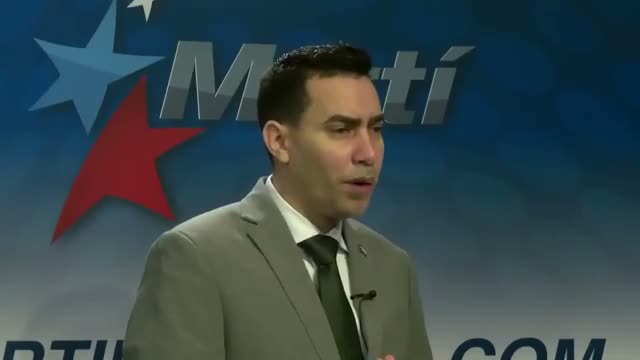
Host Mario Pentn opened Cuba al da by highlighting what he described as an intensifying campaign of repression in Cuba, saying independent creators from the project El Cuartico "fueron detenidos, incomunicados, despojados de sus equipos" for broadcasting material the regime finds threatening.
"Estos jóvenes no son delincuentes ni son terroristas, son muchachos de una generación criada entre apagones, entre escasez, censura," Pentn said on the program. He framed the detentions as part of a larger pattern that includes forced acts of repudiation, censorship and restrictions on travel; the broadcast also discussed fuel shortages and interruptions to airports and hospitals.
The program included allegations by the host that state-paid online accounts obscure abuses and that some officials receive government-provided phones to carry out propaganda. These assertions were presented by Pentn as commentary and interpretation; the broadcast did not include statements from Cuban authorities or law-enforcement agencies to corroborate the allegations discussed.
The program also referenced the case of Mayeln Rodrguez, a young woman the speakers said had been sentenced after filming protests; the hosts used her case to illustrate how people who document unrest may face harsh penalties.
The broadcast offered firsthand accounts, investigator claims and analysis but did not present official government responses. The hosts encouraged listeners to follow future reporting and said they plan to continue identifying alleged perpetrators and publishing information collected by human-rights investigators.
"Estos jóvenes no son delincuentes ni son terroristas, son muchachos de una generación criada entre apagones, entre escasez, censura," Pentn said on the program. He framed the detentions as part of a larger pattern that includes forced acts of repudiation, censorship and restrictions on travel; the broadcast also discussed fuel shortages and interruptions to airports and hospitals.
The program included allegations by the host that state-paid online accounts obscure abuses and that some officials receive government-provided phones to carry out propaganda. These assertions were presented by Pentn as commentary and interpretation; the broadcast did not include statements from Cuban authorities or law-enforcement agencies to corroborate the allegations discussed.
The program also referenced the case of Mayeln Rodrguez, a young woman the speakers said had been sentenced after filming protests; the hosts used her case to illustrate how people who document unrest may face harsh penalties.
The broadcast offered firsthand accounts, investigator claims and analysis but did not present official government responses. The hosts encouraged listeners to follow future reporting and said they plan to continue identifying alleged perpetrators and publishing information collected by human-rights investigators.
View the Full Meeting & All Its Details
This article offers just a summary. Unlock complete video, transcripts, and insights as a Founder Member.
✓
Watch full, unedited meeting videos
✓
Search every word spoken in unlimited transcripts
✓
AI summaries & real-time alerts (all government levels)
✓
Permanent access to expanding government content
30-day money-back guarantee
