Union County DSS outlines caseloads and warns HR1 changes could raise SNAP administrative costs
February 09, 2026 | Union County, North Carolina
This article was created by AI summarizing key points discussed. AI makes mistakes, so for full details and context, please refer to the video of the full meeting. Please report any errors so we can fix them. Report an error »
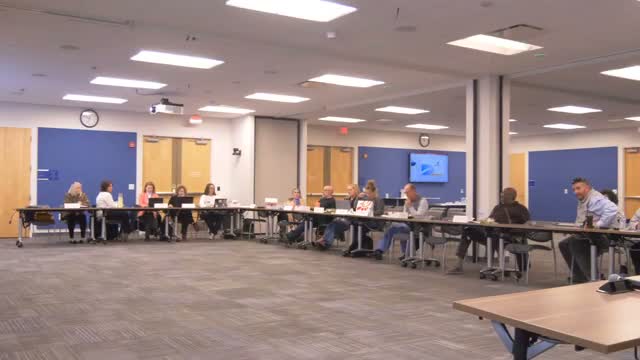
Karen Tucker, division manager for economic services (speaker 3), told the board that Union County serves large caseloads across Medicaid and food-support programs and is preparing for federal and state policy changes that could affect county budgets and staff workload.
Tucker gave program counts for calendar 2025 and typical monthly caseloads: roughly 10,405 adult Medicaid participants, about 53,516 family-and-children Medicaid participants and an average of 22,088 Food Nutrition Services/SNAP participants per month. She said the county issues approximately $3,500,000 in SNAP benefits each month and described the local economic multiplier of those benefits.
Tucker summarized federal changes she referenced as "HR 1," saying one impact would be a reduced federal administrative match (from roughly 50% to 25% for fiscal year 2027), which the state estimates will raise costs and has asked the General Assembly for additional funds. "We were told we don't know yet" what happens if the state does not obtain those funds, she said.
On quality control, Tucker said North Carolina's payment error rate is 10.21% statewide and Union County's current payment-error rate is about 9%. She described targeted worker training, a new admin team, and requests for two senior eligibility specialists in Food Nutrition Services for fiscal year 2027 to reduce errors and handle increased workload. Tucker warned that pending policy changes — including expansions of work requirements and more frequent Medicaid recertifications (six months rather than a year) — will significantly increase staff workload and case monitoring.
A board member (Speaker 5) interjected to caution that the state's case-review sampling process can make error-rate comparisons misleading; Tucker agreed the state-level process drives the sample and said the state has been sharing information and training opportunities.
Ending: Tucker said staff are preparing through training, process changes and targeted hiring; the county has requested supplemental staffing but will await state and General Assembly decisions about funding.
Tucker gave program counts for calendar 2025 and typical monthly caseloads: roughly 10,405 adult Medicaid participants, about 53,516 family-and-children Medicaid participants and an average of 22,088 Food Nutrition Services/SNAP participants per month. She said the county issues approximately $3,500,000 in SNAP benefits each month and described the local economic multiplier of those benefits.
Tucker summarized federal changes she referenced as "HR 1," saying one impact would be a reduced federal administrative match (from roughly 50% to 25% for fiscal year 2027), which the state estimates will raise costs and has asked the General Assembly for additional funds. "We were told we don't know yet" what happens if the state does not obtain those funds, she said.
On quality control, Tucker said North Carolina's payment error rate is 10.21% statewide and Union County's current payment-error rate is about 9%. She described targeted worker training, a new admin team, and requests for two senior eligibility specialists in Food Nutrition Services for fiscal year 2027 to reduce errors and handle increased workload. Tucker warned that pending policy changes — including expansions of work requirements and more frequent Medicaid recertifications (six months rather than a year) — will significantly increase staff workload and case monitoring.
A board member (Speaker 5) interjected to caution that the state's case-review sampling process can make error-rate comparisons misleading; Tucker agreed the state-level process drives the sample and said the state has been sharing information and training opportunities.
Ending: Tucker said staff are preparing through training, process changes and targeted hiring; the county has requested supplemental staffing but will await state and General Assembly decisions about funding.
View the Full Meeting & All Its Details
This article offers just a summary. Unlock complete video, transcripts, and insights as a Founder Member.
✓
Watch full, unedited meeting videos
✓
Search every word spoken in unlimited transcripts
✓
AI summaries & real-time alerts (all government levels)
✓
Permanent access to expanding government content
30-day money-back guarantee
