Russian FM Lavrov repeats threat of 'full military response,' cites alleged Anchorage deal with U.S.
This article was created by AI summarizing key points discussed. AI makes mistakes, so for full details and context, please refer to the video of the full meeting. Please report any errors so we can fix them. Report an error »
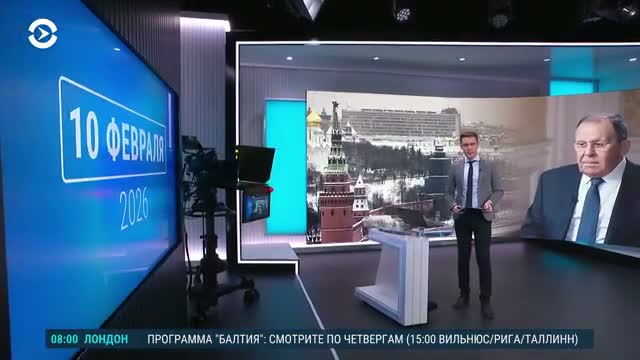
Russian Foreign Minister Sergey Lavrov renewed a threat toward Europe and said Moscow would respond with "a full military response" if European states attacked Russia, while denying any plans for Russia to strike first.
"Нападать Россия не будет, но военный ответ обещает," Lavrov said in excerpts read on the program. He framed the "Ukrainian question" as central to Russian diplomacy and said Moscow had "accepted" certain U.S. proposals reached in Anchorage.
Why it matters: The comments combine a public warning about potential escalation with an assertion that Russia previously accepted U.S. proposals at talks in Anchorage, an allegation that, if true, could reshape diplomatic narratives about U.S.-Russia backchannels and postures on Ukraine. The Kremlin has not provided a text of any such agreement.
Analysis and pushback: Ivan Preobrazhensky, a Russian political scientist invited on the program, described the Lavrov and Peskov statements as "coordinated" messaging from different Kremlin spokesmen. Preobrazhensky questioned the substance of the Anchorage claim and said it could be political theater: "Он так играл много раз... теперь он пытается в ту же самую игру сыграть с Трампом," he said, arguing that parts of the Russian elite may seek large U.S. investment tied to compromises while others oppose substantive concessions on issues such as Donbas status.
What was said on the broadcast: Hosts read Lavrov's remarks and noted that Kremlin press secretary Dmitry Peskov made similar references to the Anchorage understandings. The program reported no immediate public reaction from U.S. officials to the claims.
Context and limits: The broadcast did not produce a formal text of any Anchorage accord. Preobrazhensky cautioned that Kremlin rhetoric often mixes tactical threats and signals; the program presented his evaluation as analysis rather than definitive proof of any U.S.-Russia deal.
Next steps: The broadcast said U.S. officials had not yet responded to Lavrov and Peskov's statements. The program moved on to other international items after the interview.
"Нападать Россия не будет, но военный ответ обещает," Lavrov said in excerpts read on the program. He framed the "Ukrainian question" as central to Russian diplomacy and said Moscow had "accepted" certain U.S. proposals reached in Anchorage.
Why it matters: The comments combine a public warning about potential escalation with an assertion that Russia previously accepted U.S. proposals at talks in Anchorage, an allegation that, if true, could reshape diplomatic narratives about U.S.-Russia backchannels and postures on Ukraine. The Kremlin has not provided a text of any such agreement.
Analysis and pushback: Ivan Preobrazhensky, a Russian political scientist invited on the program, described the Lavrov and Peskov statements as "coordinated" messaging from different Kremlin spokesmen. Preobrazhensky questioned the substance of the Anchorage claim and said it could be political theater: "Он так играл много раз... теперь он пытается в ту же самую игру сыграть с Трампом," he said, arguing that parts of the Russian elite may seek large U.S. investment tied to compromises while others oppose substantive concessions on issues such as Donbas status.
What was said on the broadcast: Hosts read Lavrov's remarks and noted that Kremlin press secretary Dmitry Peskov made similar references to the Anchorage understandings. The program reported no immediate public reaction from U.S. officials to the claims.
Context and limits: The broadcast did not produce a formal text of any Anchorage accord. Preobrazhensky cautioned that Kremlin rhetoric often mixes tactical threats and signals; the program presented his evaluation as analysis rather than definitive proof of any U.S.-Russia deal.
Next steps: The broadcast said U.S. officials had not yet responded to Lavrov and Peskov's statements. The program moved on to other international items after the interview.
View the Full Meeting & All Its Details
This article offers just a summary. Unlock complete video, transcripts, and insights as a Founder Member.
✓
Watch full, unedited meeting videos
✓
Search every word spoken in unlimited transcripts
✓
AI summaries & real-time alerts (all government levels)
✓
Permanent access to expanding government content
30-day money-back guarantee
