Pewaukee details new transition protocol for students with 504 plans and IEPs
February 09, 2026 | Pewaukee School District, School Districts, Wisconsin
This article was created by AI summarizing key points discussed. AI makes mistakes, so for full details and context, please refer to the video of the full meeting. Please report any errors so we can fix them. Report an error »
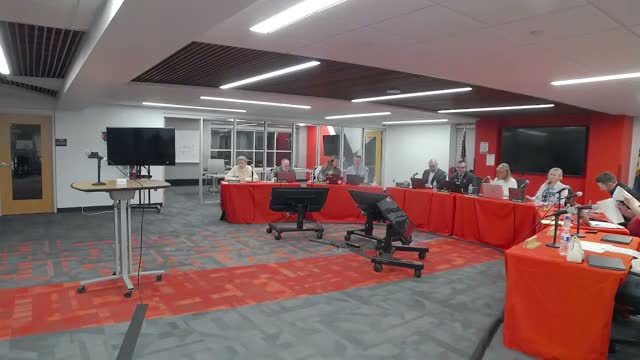
District staff presented a multi-element plan to reduce communication gaps and improve transitions for students with 504 plans and individualized education programs (IEPs). Tony (presenter) told the board the district now emphasizes earlier, face‑to‑face transition work in winter and spring to identify staffing, plan observations and schedule visits so receiving teachers and paraprofessionals are prepared.
The presentation described two commonly used documents: a one‑page 504 accommodation guide (often listing extended time for assessments as a typical accommodation) and a more comprehensive IEP with present levels, goals and supplementary aids. Administrators described an "IEP at a glance" form distributed to staff before the start of a year so teachers know key accommodations and supports in advance.
Building‑level special education teachers explained concrete transition practices: inviting receiving teachers to observe students in their current classroom, scheduling multiple visits to new buildings and offering private transition sessions for students who may experience anxiety. ASSA and high‑school staff described a new leveling system (levels 1–3) to tailor transition supports — from case‑manager handoffs to observations and attendance at IEP meetings for higher‑need students.
Tony told the board the district tracks transition struggles and is monitoring roughly 15 students who have more challenging starts in new buildings; he reported the district has 353 special education students (including speech and language) as of February counts. The district also highlighted partnerships with vocational rehabilitation and WCTC for post‑secondary transition work and an 18‑to‑21 program serving students up to age 21.
Board members requested continued updates and emphasized the need to monitor weighted caseloads and staffing as special education enrollment and service complexity grow.
The presentation described two commonly used documents: a one‑page 504 accommodation guide (often listing extended time for assessments as a typical accommodation) and a more comprehensive IEP with present levels, goals and supplementary aids. Administrators described an "IEP at a glance" form distributed to staff before the start of a year so teachers know key accommodations and supports in advance.
Building‑level special education teachers explained concrete transition practices: inviting receiving teachers to observe students in their current classroom, scheduling multiple visits to new buildings and offering private transition sessions for students who may experience anxiety. ASSA and high‑school staff described a new leveling system (levels 1–3) to tailor transition supports — from case‑manager handoffs to observations and attendance at IEP meetings for higher‑need students.
Tony told the board the district tracks transition struggles and is monitoring roughly 15 students who have more challenging starts in new buildings; he reported the district has 353 special education students (including speech and language) as of February counts. The district also highlighted partnerships with vocational rehabilitation and WCTC for post‑secondary transition work and an 18‑to‑21 program serving students up to age 21.
Board members requested continued updates and emphasized the need to monitor weighted caseloads and staffing as special education enrollment and service complexity grow.
View the Full Meeting & All Its Details
This article offers just a summary. Unlock complete video, transcripts, and insights as a Founder Member.
✓
Watch full, unedited meeting videos
✓
Search every word spoken in unlimited transcripts
✓
AI summaries & real-time alerts (all government levels)
✓
Permanent access to expanding government content
30-day money-back guarantee
