Senate approves 11% excise tax on firearms and ammunition manufacturers
February 07, 2026 | 2026 Legislature VA, Virginia
This article was created by AI summarizing key points discussed. AI makes mistakes, so for full details and context, please refer to the video of the full meeting. Please report any errors so we can fix them. Report an error »
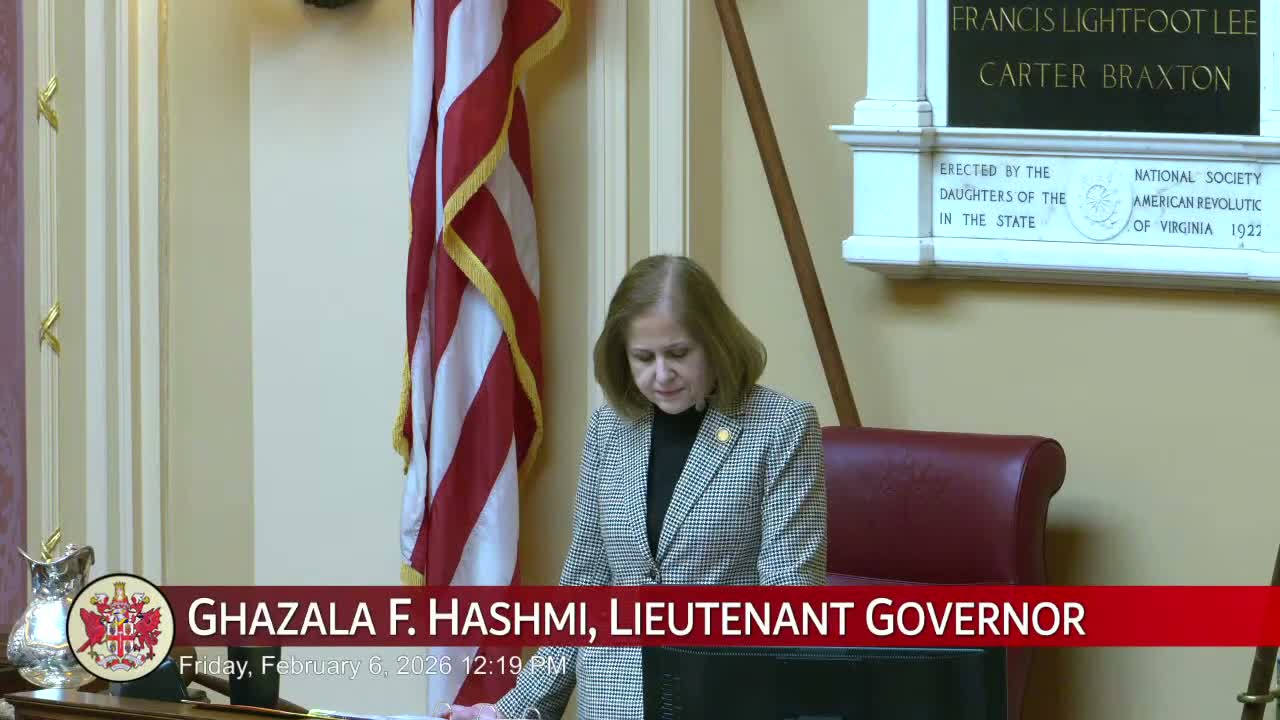
The Senate voted 21‑19 to pass Senate Bill 7‑63, which establishes an 11% excise tax on manufacturers’ gross receipts from firearms and ammunition sold in the Commonwealth and directs proceeds to the general fund with an expressed legislative intent that revenue be used for gun‑violence prevention and community safety initiatives.
Senator from Norfolk, speaking in favor, described the measure as a targeted fiscal response to the cost of firearm‑related injuries and hospitalizations. "This is a measured fiscal policy that aligns public safety priorities with responsible revenue planning," the senator said, noting Department of Health figures cited in committee testimony about suicide and hospitalization costs tied to firearms.
Opponents argued the tax would be passed along to consumers and disproportionately affect rural residents who rely on hunting and recreational shooting. The senator from Rockingham said manufacturers ultimately pass costs to shoppers and called the proposal a "hunting tax." The senator from King George warned that the tax could make hunting and related household food sources less affordable for rural families.
Supporters emphasized the tax is levied at the manufacturer level and does not impose new registration or ownership restrictions. The sponsor said the bill explicitly exempts sales to federal, state and local law‑enforcement agencies and does not regulate firearm possession or retailer operations.
The Senate adopted the bill on a recorded vote of Ayes 21, Noes 19. The bill’s effective date was adjusted in the substitute to July 1, 2027 to allow implementation and administrative planning.
Next steps: With passage in the Senate, SB7‑63 proceeds through the legislative process where enrollment, possible conference with the House and the governor’s action will determine final enactment.
Senator from Norfolk, speaking in favor, described the measure as a targeted fiscal response to the cost of firearm‑related injuries and hospitalizations. "This is a measured fiscal policy that aligns public safety priorities with responsible revenue planning," the senator said, noting Department of Health figures cited in committee testimony about suicide and hospitalization costs tied to firearms.
Opponents argued the tax would be passed along to consumers and disproportionately affect rural residents who rely on hunting and recreational shooting. The senator from Rockingham said manufacturers ultimately pass costs to shoppers and called the proposal a "hunting tax." The senator from King George warned that the tax could make hunting and related household food sources less affordable for rural families.
Supporters emphasized the tax is levied at the manufacturer level and does not impose new registration or ownership restrictions. The sponsor said the bill explicitly exempts sales to federal, state and local law‑enforcement agencies and does not regulate firearm possession or retailer operations.
The Senate adopted the bill on a recorded vote of Ayes 21, Noes 19. The bill’s effective date was adjusted in the substitute to July 1, 2027 to allow implementation and administrative planning.
Next steps: With passage in the Senate, SB7‑63 proceeds through the legislative process where enrollment, possible conference with the House and the governor’s action will determine final enactment.
Don't Miss a Word: See the Full Meeting!
Go beyond summaries. Unlock every video, transcript, and key insight with a Founder Membership.
✓
Get instant access to full meeting videos
✓
Search and clip any phrase from complete transcripts
✓
Receive AI-powered summaries & custom alerts
✓
Enjoy lifetime, unrestricted access to government data
30-day money-back guarantee
