Russian broadcast frames dilemma over backing Cuba as U.S.-Russia tensions rise
This article was created by AI summarizing key points discussed. AI makes mistakes, so for full details and context, please refer to the video of the full meeting. Please report any errors so we can fix them. Report an error »
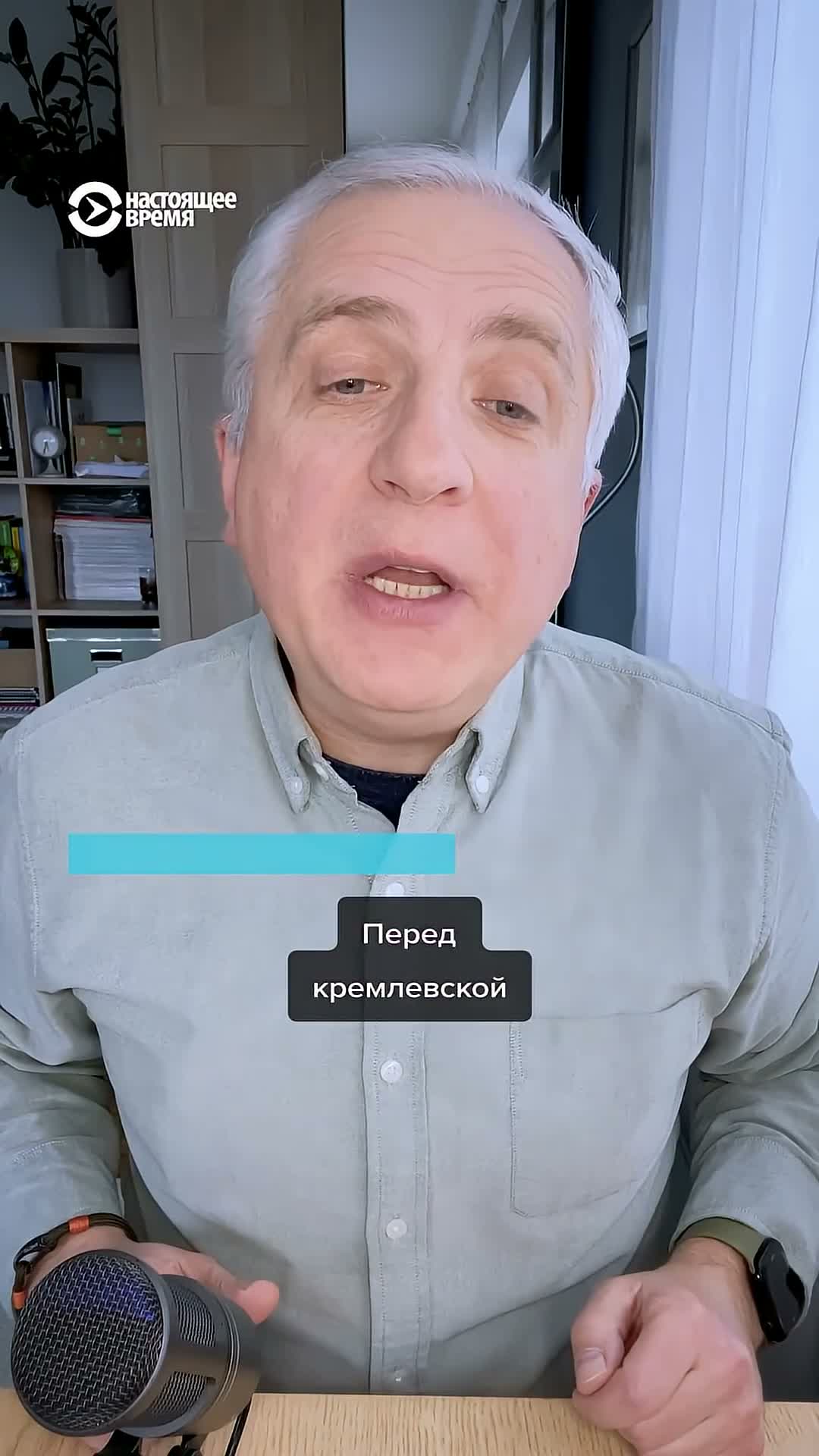
Unidentified Speaker 1, an unidentified commentator on the broadcast, said Russia faces “a new geopolitical dilemma” over Cuba, asking whether defending the island is worth the cost and what strategic benefits it would bring. The speaker framed the question against recent crises in Venezuela and rising tensions with the United States.
The broadcast reported that, in late January, former U.S. President Donald Trump "announced that Cuba is a haven for terrorists," and that the Russian Ministry of Foreign Affairs "condemned hostile U.S. actions" toward Cuba and declared solidarity with Castro’s successors. According to the commentary, Moscow "sent a military transport plane to Havana," though the speaker emphasized that "large-scale military support is not currently being discussed."
Unidentified Speaker 2 questioned whether Cuba has the political will or concrete plans to fight if confronted by U.S. forces, asking whether defensive tasks are actually rehearsed and whether ordinary Cubans would mobilize as described. The exchange highlighted doubts about Cuba’s readiness and the practical value of Russian aid.
The commentator further said Kremlin-aligned propaganda presents Cuba with "sympathy and condescension": it is "pitiable," the speaker said, but helping it risks diverting scarce resources already strained by Russia’s war in Ukraine. The broadcast invoked past examples — including Saddam Hussein and interventions in Venezuela — to argue that such efforts have not always yielded lasting influence and that "now Russia and China are being pushed out of the region." The speaker added that propaganda appears to be preparing the domestic audience for the possible loss of the island.
The broadcast did not present formal proposals or actions beyond Russia’s reported diplomatic condemnation and the shipment of a transport plane; no vote, law, or official policy decision was described. Specifics about the scale, timing, or contents of material support were not provided on the broadcast and remain not specified.
The discussion closed with the observation that Moscow may be weighing the reputational and strategic costs of deeper involvement versus the diplomatic cost of appearing to abandon an ally. The broadcast offered commentary and questions rather than reporting a formal Russian policy change.
The broadcast reported that, in late January, former U.S. President Donald Trump "announced that Cuba is a haven for terrorists," and that the Russian Ministry of Foreign Affairs "condemned hostile U.S. actions" toward Cuba and declared solidarity with Castro’s successors. According to the commentary, Moscow "sent a military transport plane to Havana," though the speaker emphasized that "large-scale military support is not currently being discussed."
Unidentified Speaker 2 questioned whether Cuba has the political will or concrete plans to fight if confronted by U.S. forces, asking whether defensive tasks are actually rehearsed and whether ordinary Cubans would mobilize as described. The exchange highlighted doubts about Cuba’s readiness and the practical value of Russian aid.
The commentator further said Kremlin-aligned propaganda presents Cuba with "sympathy and condescension": it is "pitiable," the speaker said, but helping it risks diverting scarce resources already strained by Russia’s war in Ukraine. The broadcast invoked past examples — including Saddam Hussein and interventions in Venezuela — to argue that such efforts have not always yielded lasting influence and that "now Russia and China are being pushed out of the region." The speaker added that propaganda appears to be preparing the domestic audience for the possible loss of the island.
The broadcast did not present formal proposals or actions beyond Russia’s reported diplomatic condemnation and the shipment of a transport plane; no vote, law, or official policy decision was described. Specifics about the scale, timing, or contents of material support were not provided on the broadcast and remain not specified.
The discussion closed with the observation that Moscow may be weighing the reputational and strategic costs of deeper involvement versus the diplomatic cost of appearing to abandon an ally. The broadcast offered commentary and questions rather than reporting a formal Russian policy change.
View the Full Meeting & All Its Details
This article offers just a summary. Unlock complete video, transcripts, and insights as a Founder Member.
✓
Watch full, unedited meeting videos
✓
Search every word spoken in unlimited transcripts
✓
AI summaries & real-time alerts (all government levels)
✓
Permanent access to expanding government content
30-day money-back guarantee
