Jorge Rodríguez’s visit to Caracas protest sparks dispute over staged embrace
This article was created by AI summarizing key points discussed. AI makes mistakes, so for full details and context, please refer to the video of the full meeting. Please report any errors so we can fix them. Report an error »
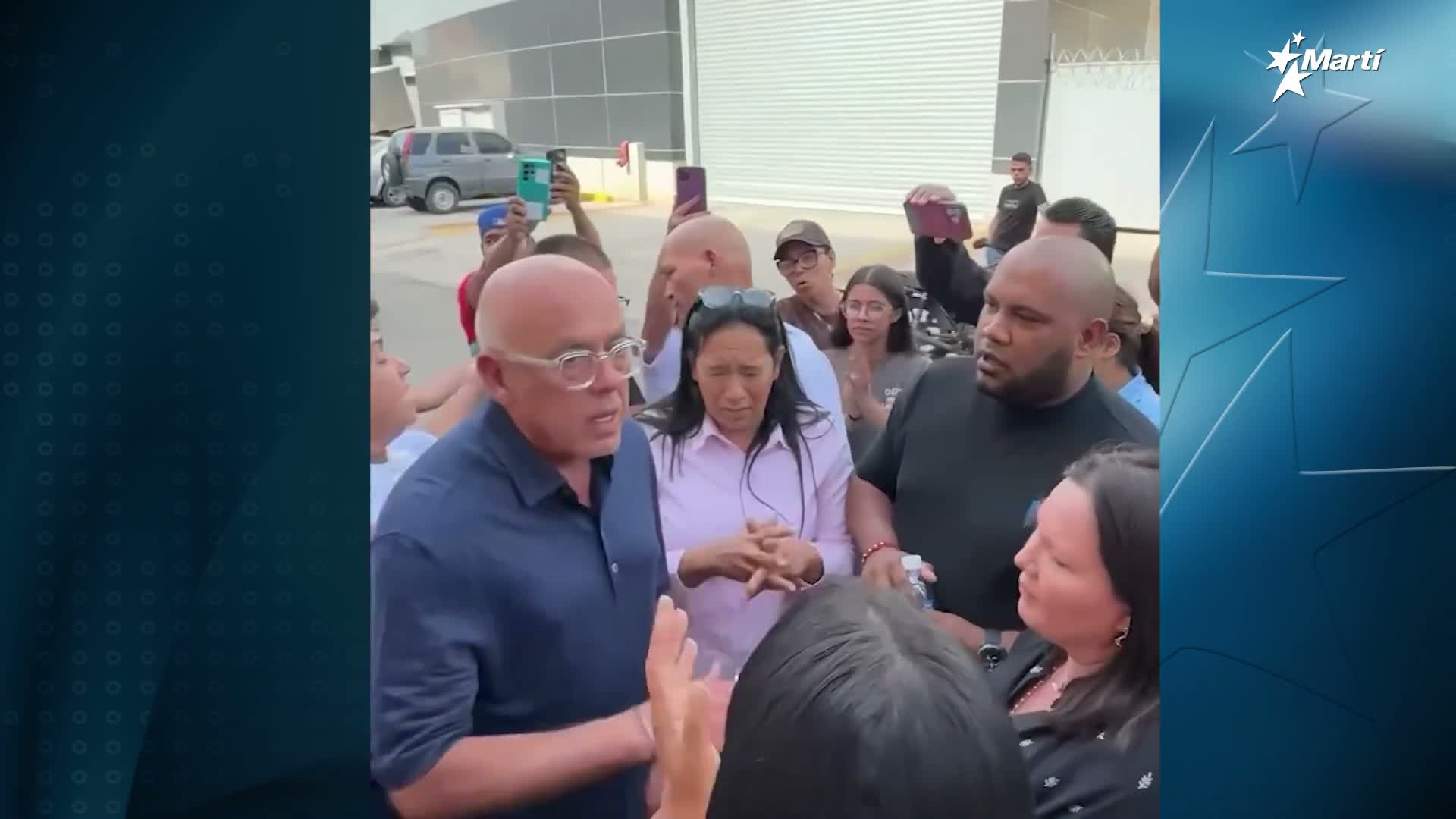
Jorge Rodríguez, who leads the National Assembly of Venezuela, visited a sustained protest by relatives of political prisoners at police facility "zona 7" in Caracas, where a woman wearing a shirt from the Committee for the Freedom of Political Prisoners embraced him and was filmed by onlookers.
Committee representatives later said the woman was not affiliated with them and was not a relative of a detained person. "Queremos dejar claro que ella no es familiar de un preso político," a committee representative said, urging national and international observers to watch for similar cases.
Journalist Luis Gonzalo Pérez reported additional identifying details about the woman, who appears in the transcript under the names María Malabé, Mallavé and Malavé. Pérez said the woman lives in Parque Alto, Guatire, in Miranda state, and that her presence at the protest was manipulated for political ends, according to an account cited in Martinoticias.
Speakers in the transcript also accused organizers sympathetic to the ruling party of using the encounter for political gain, asserting the woman "pertenece al sector transporte, vive en Guatire y pertenece a las bases chavistas." The transcript records claims—attributed to local sources and journalists—that the woman is not a human-rights defender and that she had previously been denounced locally for incitement to hatred.
The record shows Rodríguez pledging to free political prisoners "la próxima semana" during the visit; the transcript treats that pledge as a public promise rather than a binding, verifiable action. Protesters and activists noted that Rodríguez’s visit came after roughly 30 days of continuous vigil outside the detention center.
Separately, the rights group Foro Penal is cited in the transcript as certifying that about 380 people prosecuted for political reasons were released as of Jan. 8, while it still records more than 700 citizens detained for similar reasons.
The transcript attributes the reporting to José Pernalete of Martinoticias. The record includes inconsistent spellings of the woman’s name in different segments; where possible this article uses the variants recorded in the transcript and reports claims and denials as they were presented.
Committee representatives later said the woman was not affiliated with them and was not a relative of a detained person. "Queremos dejar claro que ella no es familiar de un preso político," a committee representative said, urging national and international observers to watch for similar cases.
Journalist Luis Gonzalo Pérez reported additional identifying details about the woman, who appears in the transcript under the names María Malabé, Mallavé and Malavé. Pérez said the woman lives in Parque Alto, Guatire, in Miranda state, and that her presence at the protest was manipulated for political ends, according to an account cited in Martinoticias.
Speakers in the transcript also accused organizers sympathetic to the ruling party of using the encounter for political gain, asserting the woman "pertenece al sector transporte, vive en Guatire y pertenece a las bases chavistas." The transcript records claims—attributed to local sources and journalists—that the woman is not a human-rights defender and that she had previously been denounced locally for incitement to hatred.
The record shows Rodríguez pledging to free political prisoners "la próxima semana" during the visit; the transcript treats that pledge as a public promise rather than a binding, verifiable action. Protesters and activists noted that Rodríguez’s visit came after roughly 30 days of continuous vigil outside the detention center.
Separately, the rights group Foro Penal is cited in the transcript as certifying that about 380 people prosecuted for political reasons were released as of Jan. 8, while it still records more than 700 citizens detained for similar reasons.
The transcript attributes the reporting to José Pernalete of Martinoticias. The record includes inconsistent spellings of the woman’s name in different segments; where possible this article uses the variants recorded in the transcript and reports claims and denials as they were presented.
Don't Miss a Word: See the Full Meeting!
Go beyond summaries. Unlock every video, transcript, and key insight with a Founder Membership.
✓
Get instant access to full meeting videos
✓
Search and clip any phrase from complete transcripts
✓
Receive AI-powered summaries & custom alerts
✓
Enjoy lifetime, unrestricted access to government data
30-day money-back guarantee
