Champlain Housing Trust backs H.772, urges faster eviction process to protect tenants and staff
February 07, 2026 | General & Housing, HOUSE OF REPRESENTATIVES, Committees, Legislative , Vermont
This article was created by AI summarizing key points discussed. AI makes mistakes, so for full details and context, please refer to the video of the full meeting. Please report any errors so we can fix them. Report an error »
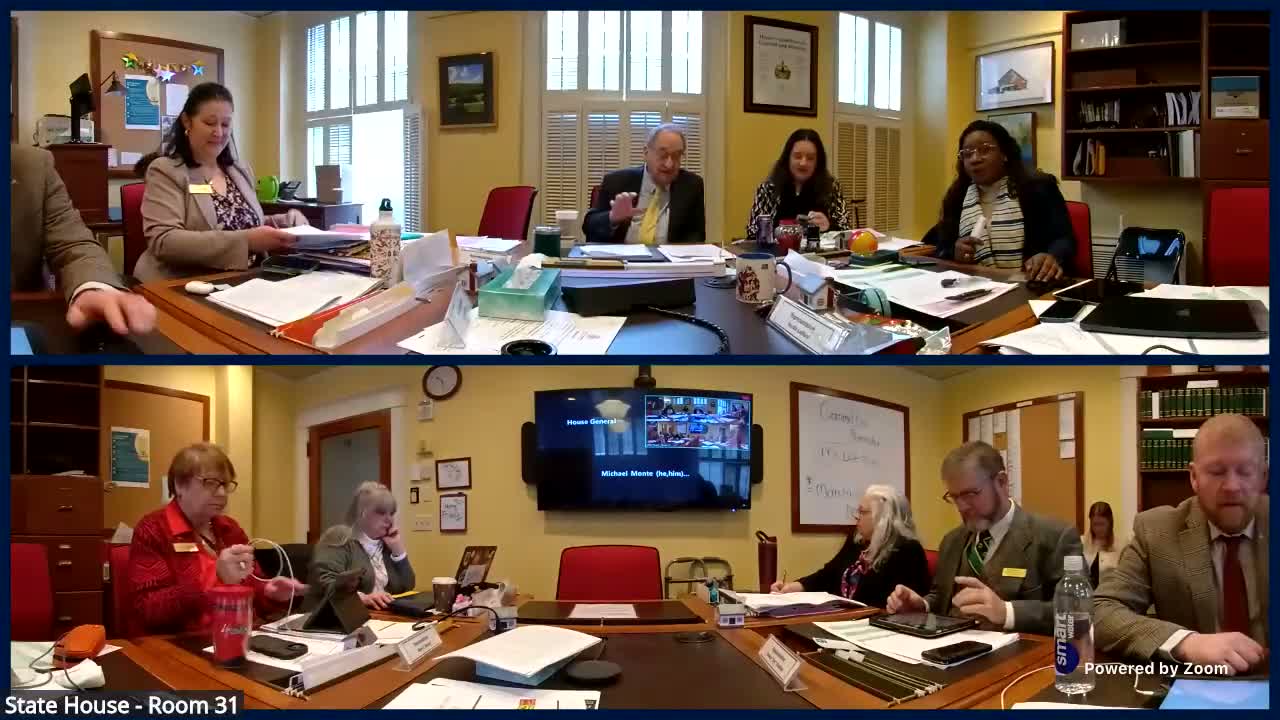
Michael Lante, CEO of the Champlain Housing Trust, told the House General and Finance Committee on Friday that his organization supports H.772 — the residential rental agreements bill — and urged the Legislature to shorten eviction timelines so landlords and managers can remove tenants who create unsafe conditions.
"We don't evict lightly," Lante said in testimony. "Every eviction we believe here, every eviction is a failure somewhere." He praised provisions in the bill that would limit rent increases to once every 12 months, cap increases at CPI plus 3 percent, and cap security deposits at two months' rent.
Lante said CHT embraces tenant protections but described operational strains caused by protracted eviction cases. He told the committee that CHT tracks roughly 60 active eviction cases on a spreadsheet covering about 2,400 units, recorded about 65 evictions last year, and had around 85 cases in process at the time of testimony; he also said about 30 eviction actions that began before last September remained unresolved. Lante gave several examples of cases that began in March, June and September 2024 and continued for many months.
Committee members questioned whether judges sometimes extend statutory deadlines and how often landlords prevail. Lante said judges can and do extend timeframes (for example, granting 30 days in place of 15), that CHT generally brings cases it views as strong, and that settlements outside court are common. He emphasized that CHT refers tenants to legal aid and provides resident services and financial support before and during court proceedings.
Several members raised equity and displacement concerns, warning that faster procedures could increase homelessness or disproportionately affect people with mental-health or substance-use challenges. One member urged more training for staff to reduce bias; Lante replied that CHT employs 12 resident support staff who are trained mental-health professionals, has a full-time security person, operates supportive-housing units, and partners with local providers such as Howard Center to assist residents rather than defaulting to eviction.
The committee also discussed non-tenant invitees and so-called squatting. The chair said a related bill that had been in Judiciary will be recommitted to this committee; that bill, the chair said, is intended to allow landlords to seek no-trespass orders against invitees and would change the effect of State v. Dixon. Lante said CHT supports that change after describing incidents in which police could not remove non-tenant occupants quickly.
Lante offered to provide more detailed analyses at a future meeting and said he would return next Friday. The committee recessed briefly and scheduled a reconvening at 11:15 a.m.
"We don't evict lightly," Lante said in testimony. "Every eviction we believe here, every eviction is a failure somewhere." He praised provisions in the bill that would limit rent increases to once every 12 months, cap increases at CPI plus 3 percent, and cap security deposits at two months' rent.
Lante said CHT embraces tenant protections but described operational strains caused by protracted eviction cases. He told the committee that CHT tracks roughly 60 active eviction cases on a spreadsheet covering about 2,400 units, recorded about 65 evictions last year, and had around 85 cases in process at the time of testimony; he also said about 30 eviction actions that began before last September remained unresolved. Lante gave several examples of cases that began in March, June and September 2024 and continued for many months.
Committee members questioned whether judges sometimes extend statutory deadlines and how often landlords prevail. Lante said judges can and do extend timeframes (for example, granting 30 days in place of 15), that CHT generally brings cases it views as strong, and that settlements outside court are common. He emphasized that CHT refers tenants to legal aid and provides resident services and financial support before and during court proceedings.
Several members raised equity and displacement concerns, warning that faster procedures could increase homelessness or disproportionately affect people with mental-health or substance-use challenges. One member urged more training for staff to reduce bias; Lante replied that CHT employs 12 resident support staff who are trained mental-health professionals, has a full-time security person, operates supportive-housing units, and partners with local providers such as Howard Center to assist residents rather than defaulting to eviction.
The committee also discussed non-tenant invitees and so-called squatting. The chair said a related bill that had been in Judiciary will be recommitted to this committee; that bill, the chair said, is intended to allow landlords to seek no-trespass orders against invitees and would change the effect of State v. Dixon. Lante said CHT supports that change after describing incidents in which police could not remove non-tenant occupants quickly.
Lante offered to provide more detailed analyses at a future meeting and said he would return next Friday. The committee recessed briefly and scheduled a reconvening at 11:15 a.m.
View the Full Meeting & All Its Details
This article offers just a summary. Unlock complete video, transcripts, and insights as a Founder Member.
✓
Watch full, unedited meeting videos
✓
Search every word spoken in unlimited transcripts
✓
AI summaries & real-time alerts (all government levels)
✓
Permanent access to expanding government content
30-day money-back guarantee
