Virginia committee adopts substitute narrowing photo-enforcement expansion, orders studies on vendor fees and device accuracy
February 07, 2026 | 2026 Legislature VA, Virginia
This article was created by AI summarizing key points discussed. AI makes mistakes, so for full details and context, please refer to the video of the full meeting. Please report any errors so we can fix them. Report an error »
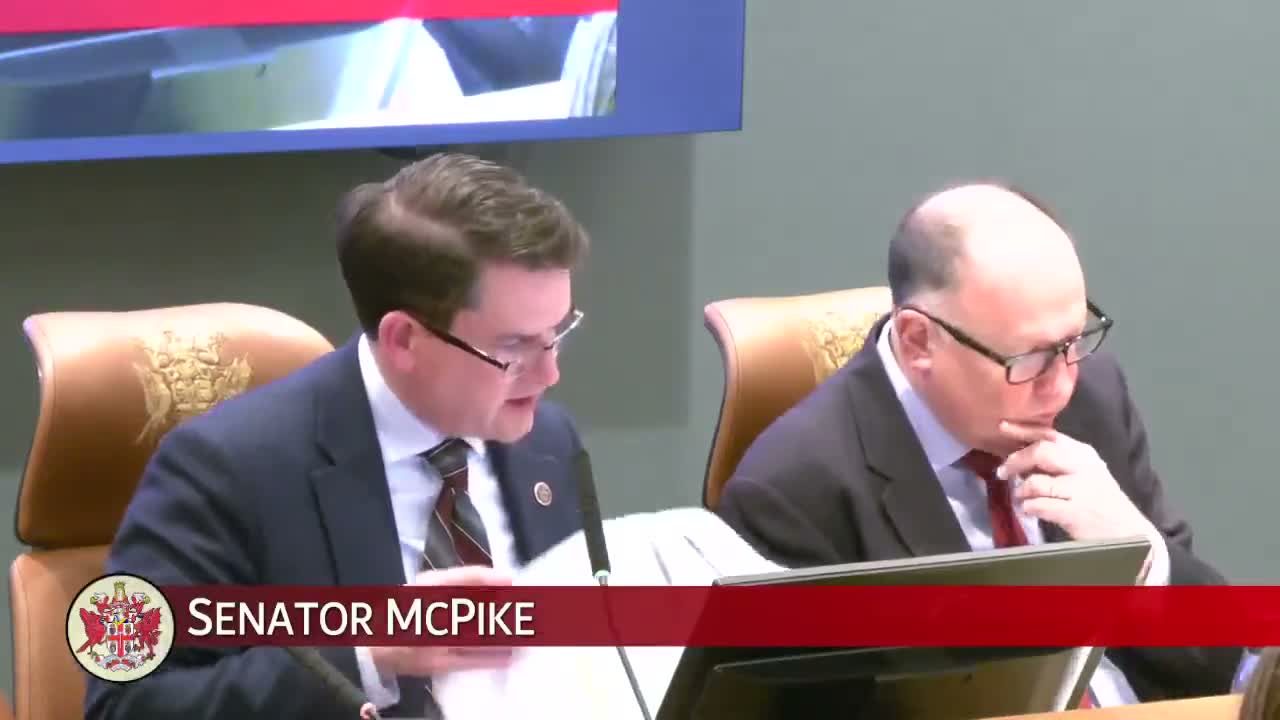
A Virginia Senate subcommittee on [date not specified] adopted a committee substitute that narrows proposed expansions to photo speed monitoring systems while adding oversight provisions and two studies.
The committee voted to adopt the substitute for SB84 after motions to incorporate related measures (including SB297 and SB306) were made. The substitute removes references to pedestrian and stop-sign violation monitoring systems so the bill maintains current law on what devices may be used for speed enforcement, and adds requirements for emergency action plans, procedures to contest tickets, independent testing of device accuracy, prohibitions on private vendors charging unauthorized administrative fees and a public awareness campaign by the agencies operating the devices.
Why it matters: The substitute attempts to reconcile three separate bills on photo enforcement by keeping speed-camera authority limited to existing device types while creating guardrails that focus on transparency, contest procedures and potential limits on fees private vendors may charge.
What the committee did: Committee members moved and voted to incorporate SB297 into SB84 and later to incorporate SB306; members then reconsidered and returned the primary bill for modification. After discussion the subcommittee adopted the SB84 substitute in concept and recorded voice votes with multiple 'ayes' and two abstentions. The clerk indicated the substitute text will be posted when finalized.
Key elements in the substitute and related actions include:
- Removal of pedestrian and stop-sign violation monitoring systems from the bill so current law defining allowed photo speed monitoring devices remains in effect.
- A requirement that law enforcement agencies operating photo speed monitoring devices adopt an emergency action plan and conduct public awareness campaigns about device locations and operations.
- Procedures to contest photo-enforcement tickets and provisions for testing the accuracy of devices.
- Prohibitions on private vendors imposing administrative fees beyond permitted civil penalties; the substitute also directs a study of administrative fees charged by private vendors.
- A requested study for the state police to report an implementation plan and cost estimate if agencies were to perform functions related to device operation; the bill does not mandate the state police to perform those tasks.
Quotes from the meeting: "[The substitute] would basically remove in SB84 any reference to pedestrian and stop sign violation monitoring systems," staff said when describing the substitute. Staff also summarized: "There is a study for the administrative fees that can be charged by private vendors who are offering such devices." (attributed to staff member Tyler, who led the presentation.)
Outstanding questions and concerns raised by members included how revenue generated from summons would be allocated (state police operating costs versus highway safety programs), whether a cap should be set on revenues retained by law enforcement, and how proposed fee changes could affect local funding. One member noted that the bills address similar subjects and urged consolidation to avoid duplicative or conflicting rules.
What happens next: The committee advanced related bills for additional committee consideration (motions were made to refer SB297 and SB306 to the relevant committee process), and staff said finalized substitute language will be posted for members. Further committee hearings or fiscal reviews are expected before any final floor action.
Bottom line: The subcommittee retained existing device scope for speed cameras while adopting oversight measures and studies intended to increase transparency and clarify fee and implementation questions; it consolidated related bills for coordinated review.
The committee voted to adopt the substitute for SB84 after motions to incorporate related measures (including SB297 and SB306) were made. The substitute removes references to pedestrian and stop-sign violation monitoring systems so the bill maintains current law on what devices may be used for speed enforcement, and adds requirements for emergency action plans, procedures to contest tickets, independent testing of device accuracy, prohibitions on private vendors charging unauthorized administrative fees and a public awareness campaign by the agencies operating the devices.
Why it matters: The substitute attempts to reconcile three separate bills on photo enforcement by keeping speed-camera authority limited to existing device types while creating guardrails that focus on transparency, contest procedures and potential limits on fees private vendors may charge.
What the committee did: Committee members moved and voted to incorporate SB297 into SB84 and later to incorporate SB306; members then reconsidered and returned the primary bill for modification. After discussion the subcommittee adopted the SB84 substitute in concept and recorded voice votes with multiple 'ayes' and two abstentions. The clerk indicated the substitute text will be posted when finalized.
Key elements in the substitute and related actions include:
- Removal of pedestrian and stop-sign violation monitoring systems from the bill so current law defining allowed photo speed monitoring devices remains in effect.
- A requirement that law enforcement agencies operating photo speed monitoring devices adopt an emergency action plan and conduct public awareness campaigns about device locations and operations.
- Procedures to contest photo-enforcement tickets and provisions for testing the accuracy of devices.
- Prohibitions on private vendors imposing administrative fees beyond permitted civil penalties; the substitute also directs a study of administrative fees charged by private vendors.
- A requested study for the state police to report an implementation plan and cost estimate if agencies were to perform functions related to device operation; the bill does not mandate the state police to perform those tasks.
Quotes from the meeting: "[The substitute] would basically remove in SB84 any reference to pedestrian and stop sign violation monitoring systems," staff said when describing the substitute. Staff also summarized: "There is a study for the administrative fees that can be charged by private vendors who are offering such devices." (attributed to staff member Tyler, who led the presentation.)
Outstanding questions and concerns raised by members included how revenue generated from summons would be allocated (state police operating costs versus highway safety programs), whether a cap should be set on revenues retained by law enforcement, and how proposed fee changes could affect local funding. One member noted that the bills address similar subjects and urged consolidation to avoid duplicative or conflicting rules.
What happens next: The committee advanced related bills for additional committee consideration (motions were made to refer SB297 and SB306 to the relevant committee process), and staff said finalized substitute language will be posted for members. Further committee hearings or fiscal reviews are expected before any final floor action.
Bottom line: The subcommittee retained existing device scope for speed cameras while adopting oversight measures and studies intended to increase transparency and clarify fee and implementation questions; it consolidated related bills for coordinated review.
View the Full Meeting & All Its Details
This article offers just a summary. Unlock complete video, transcripts, and insights as a Founder Member.
✓
Watch full, unedited meeting videos
✓
Search every word spoken in unlimited transcripts
✓
AI summaries & real-time alerts (all government levels)
✓
Permanent access to expanding government content
30-day money-back guarantee
