Outside counsel briefs TAC on Open Meetings Act: notice, minutes and remote participation
February 06, 2026 | Doña Ana County, New Mexico
This article was created by AI summarizing key points discussed. AI makes mistakes, so for full details and context, please refer to the video of the full meeting. Please report any errors so we can fix them. Report an error »
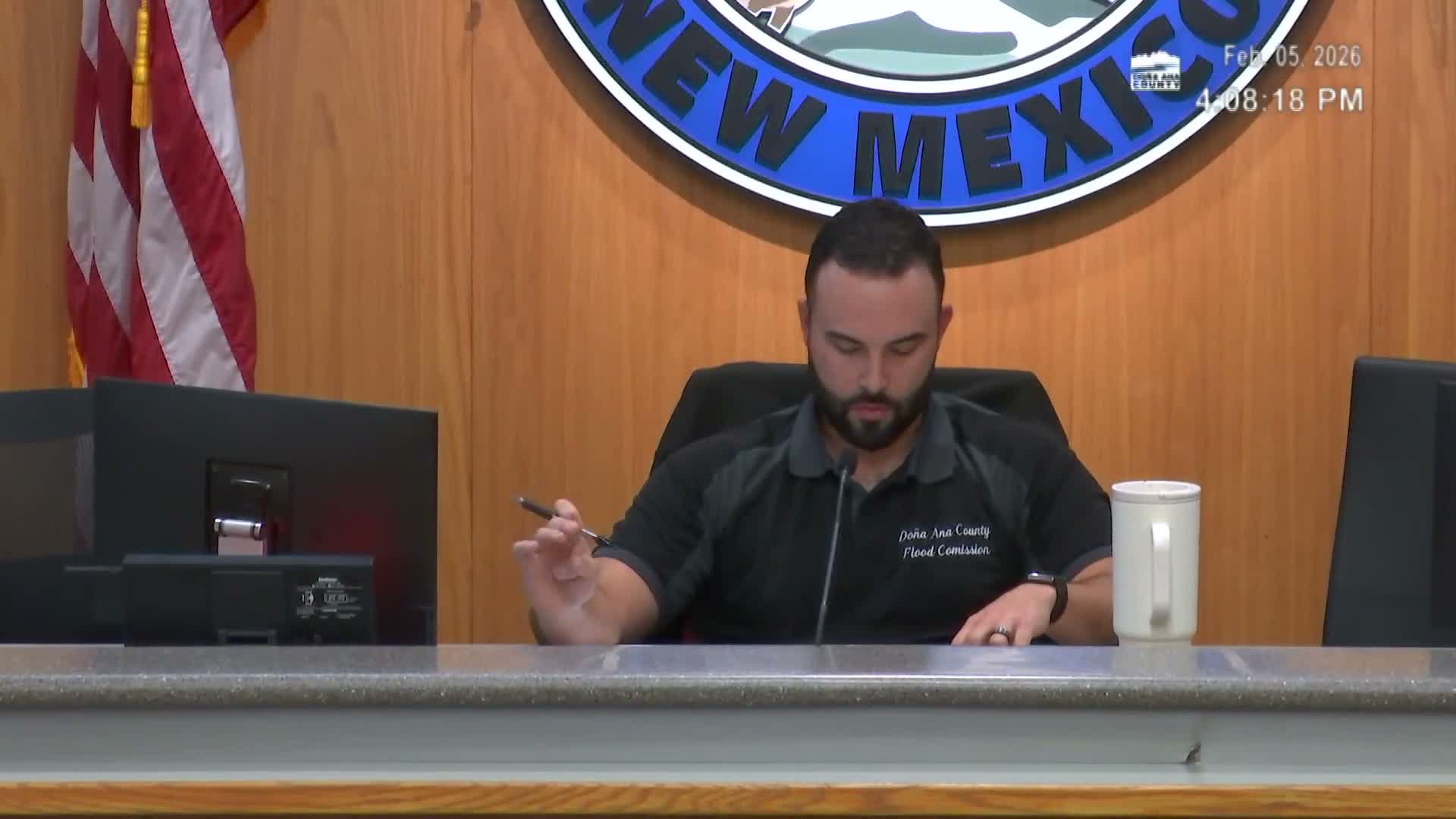
Robert Kidd, counsel from New Mexico Local Government Law, gave a refresher on the state Open Meetings Act at the Mesilla Valley MPO TAC meeting on Feb. 5.
Kidd reviewed the Act’s transparency goals and practical requirements: agendas and notice (agendas must be made available 72 hours before a meeting), the minimum content of meeting minutes (date, time, place, members present, substance of proposals, votes and how each member voted), and the legal consequences when meetings occur without required notice. He advised that members of the public may record meetings so long as the recording does not disrupt proceedings and stressed that public comment periods are common but not a statutory requirement under the Act.
Kidd discussed exceptions that permit closed executive sessions—such as pending litigation, certain personnel matters or real estate transactions—and said a vote, citation of the statutory exception, and a clear topic description are required before convening such a session. He warned about rolling quorums and private conferral outside public meetings (emails, texts or notes) and explained enforcement mechanisms (Attorney General, district attorneys, or private litigants) and remedies that can include voiding actions taken without compliance.
Committee members asked no follow‑up questions during the presentation; Kidd closed by inviting questions and reminding members of best practices for public comment and minutes.
Kidd reviewed the Act’s transparency goals and practical requirements: agendas and notice (agendas must be made available 72 hours before a meeting), the minimum content of meeting minutes (date, time, place, members present, substance of proposals, votes and how each member voted), and the legal consequences when meetings occur without required notice. He advised that members of the public may record meetings so long as the recording does not disrupt proceedings and stressed that public comment periods are common but not a statutory requirement under the Act.
Kidd discussed exceptions that permit closed executive sessions—such as pending litigation, certain personnel matters or real estate transactions—and said a vote, citation of the statutory exception, and a clear topic description are required before convening such a session. He warned about rolling quorums and private conferral outside public meetings (emails, texts or notes) and explained enforcement mechanisms (Attorney General, district attorneys, or private litigants) and remedies that can include voiding actions taken without compliance.
Committee members asked no follow‑up questions during the presentation; Kidd closed by inviting questions and reminding members of best practices for public comment and minutes.
Don't Miss a Word: See the Full Meeting!
Go beyond summaries. Unlock every video, transcript, and key insight with a Founder Membership.
✓
Get instant access to full meeting videos
✓
Search and clip any phrase from complete transcripts
✓
Receive AI-powered summaries & custom alerts
✓
Enjoy lifetime, unrestricted access to government data
30-day money-back guarantee
