Survivors’ congressional testimony drives renewed scrutiny of ICE tactics, activists escalate protests
February 06, 2026 | Half Moon Bay, Half Moon Bay City, San Mateo County, California
This article was created by AI summarizing key points discussed. AI makes mistakes, so for full details and context, please refer to the video of the full meeting. Please report any errors so we can fix them. Report an error »
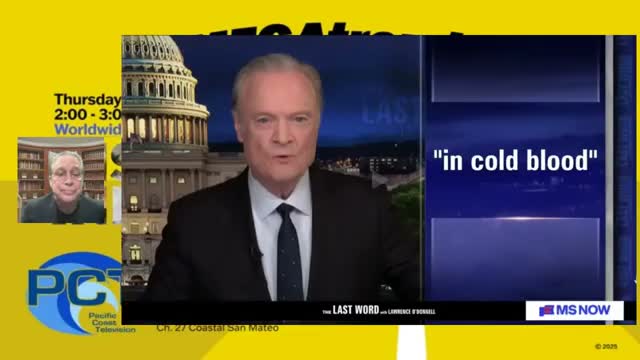
Pat Fahey’s Feb. 5 MegaTrends episode opened with extended clips of congressional testimony in which people who identified themselves as survivors of border and ICE encounters described violent encounters and long-term injuries. "That could be you. That could be your sister. That could be your mother," the program quoted a clip saying after a witness described being shot multiple times and taken from a hospital into federal custody.
In one excerpt the woman identified in the clip recounted being shot seven times, rushed to a hospital and then discharged into FBI custody; the program reported that prosecutors later dropped charges in the case. In a separate clip a speaker who identified themself as Aliye Rahman said agents shouted conflicting orders, smashed a passenger-side window, used a large knife to cut her seat belt, carried her face down and ignored her repeated declarations that she is disabled and could not comply. "I yelled, I'm disabled!" the clip records.
The host and the clips framed the testimony as evidence of systemic abuse by U.S. Immigration and Customs Enforcement and related border authorities. Fahey pointed listeners to an advocacy website (iceabuse.org) and described intensified street-level resistance: "24/7 neighborhood watches, whistles, and warnings," aimed at disrupting ICE operations and drawing public attention to alleged abuses.
The program also relayed specific allegations that an agent removed a vehicle that the government later claimed had been rammed, saying the removal suggested evidence was taken out of the case. Fahey summarized the program's view that dropped charges in some incidents are being presented as evidence that the original use of force was unjustified.
The broadcast tied the testimony and protests to broader policy demands. Fahey and a clip of Representative Delia Ramirez's remarks urged dismantling or dramatically reforming the Department of Homeland Security and ending ICE’s current practices; Ramirez (as quoted on the show) promoted legislative proposals described on-air as the "Melt ICE Act," which the program said would eliminate DHS and redirect funds toward housing, health care and community services.
The episode included no formal law-enforcement response to the featured allegations; the clips cited on-air do not show ICE or DHS rebutting the specific incidents played. Journalistic accounts of such allegations typically seek direct responses from agencies and prosecutors; the program encouraged listeners to review the full congressional testimony and advocacy resources for additional documentation.
The episode closes with Fahey noting that, according to the broadcast, no Republican members of Congress were present for the testimony clips aired.
Next steps: The broadcast directed listeners to replay the testimony and to contact the witnesses and advocacy organizations; it did not report any immediate formal changes to agency policy or charges resulting from the clips aired.
In one excerpt the woman identified in the clip recounted being shot seven times, rushed to a hospital and then discharged into FBI custody; the program reported that prosecutors later dropped charges in the case. In a separate clip a speaker who identified themself as Aliye Rahman said agents shouted conflicting orders, smashed a passenger-side window, used a large knife to cut her seat belt, carried her face down and ignored her repeated declarations that she is disabled and could not comply. "I yelled, I'm disabled!" the clip records.
The host and the clips framed the testimony as evidence of systemic abuse by U.S. Immigration and Customs Enforcement and related border authorities. Fahey pointed listeners to an advocacy website (iceabuse.org) and described intensified street-level resistance: "24/7 neighborhood watches, whistles, and warnings," aimed at disrupting ICE operations and drawing public attention to alleged abuses.
The program also relayed specific allegations that an agent removed a vehicle that the government later claimed had been rammed, saying the removal suggested evidence was taken out of the case. Fahey summarized the program's view that dropped charges in some incidents are being presented as evidence that the original use of force was unjustified.
The broadcast tied the testimony and protests to broader policy demands. Fahey and a clip of Representative Delia Ramirez's remarks urged dismantling or dramatically reforming the Department of Homeland Security and ending ICE’s current practices; Ramirez (as quoted on the show) promoted legislative proposals described on-air as the "Melt ICE Act," which the program said would eliminate DHS and redirect funds toward housing, health care and community services.
The episode included no formal law-enforcement response to the featured allegations; the clips cited on-air do not show ICE or DHS rebutting the specific incidents played. Journalistic accounts of such allegations typically seek direct responses from agencies and prosecutors; the program encouraged listeners to review the full congressional testimony and advocacy resources for additional documentation.
The episode closes with Fahey noting that, according to the broadcast, no Republican members of Congress were present for the testimony clips aired.
Next steps: The broadcast directed listeners to replay the testimony and to contact the witnesses and advocacy organizations; it did not report any immediate formal changes to agency policy or charges resulting from the clips aired.
View the Full Meeting & All Its Details
This article offers just a summary. Unlock complete video, transcripts, and insights as a Founder Member.
✓
Watch full, unedited meeting videos
✓
Search every word spoken in unlimited transcripts
✓
AI summaries & real-time alerts (all government levels)
✓
Permanent access to expanding government content
30-day money-back guarantee
