Director of Animal Welfare warns expedited forfeiture timetable could prevent seizures, strain shelters
February 06, 2026 | Judiciary, HOUSE OF REPRESENTATIVES, Committees, Legislative , Vermont
This article was created by AI summarizing key points discussed. AI makes mistakes, so for full details and context, please refer to the video of the full meeting. Please report any errors so we can fix them. Report an error »
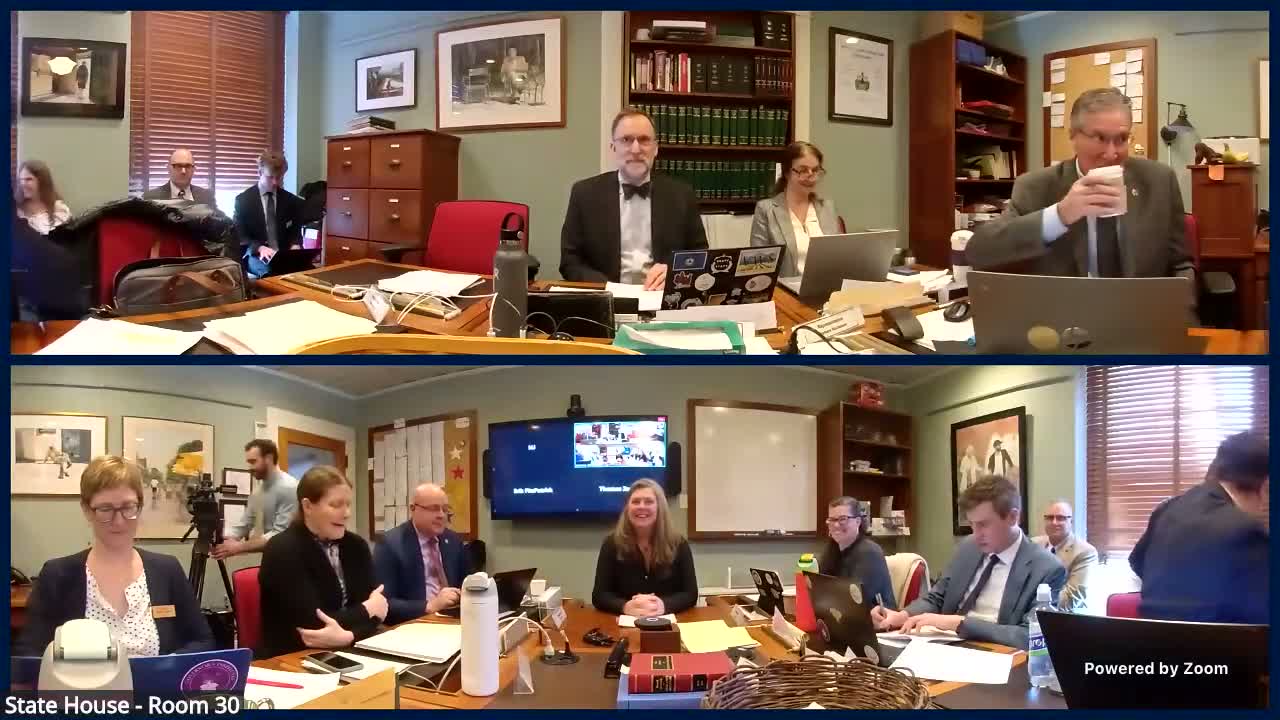
Lisa Millett, director of animal welfare at the Vermont Department of Public Safety, testified after the committee’s walk‑through, urging changes to several operational provisions that she said could hinder enforcement and animal care.
Millett raised a practical concern about the draft’s requirement that a veterinarian accompany humane officers executing a search warrant. She suggested wording that would preserve the requirement’s intent while avoiding an operational barrier: "...I would recommend language very similar to what you drafted ... failure to have a veterinarian shall not be grounds for dismissal or suppression of any evidence based on, I think, it's State v Shepherd," she said and offered to send the case citation to legislative counsel.
Millett also warned that the bill’s expedited timetable is vulnerable to delay under civil service Rule 4 service requirements. She described rescue organizations’ experience that effecting service for absent owners can take "six months or more," creating a "time bomb" within the 45‑day framework and prompting many rescues to decline to house seized animals when outcomes are uncertain.
To address those risks, Millett recommended alternative notice and service approaches used in other states — for example, posted notice models — and stressed the practical limits of Vermont’s largely volunteer shelter network. "Rescues and shelters can't help under this approach if the owner's not present," she said, adding that prolonged custody harms animals’ welfare and strains private providers.
Millett concluded by urging the committee to consider funding or system changes for housing seized animals and to consult further with shelters and the secretary of agriculture to ensure the statute can be implemented without creating untenable burdens for volunteers and veterinary offices. The committee took a brief break and planned to hear additional witnesses, including shelter directors, after the recess.
Millett raised a practical concern about the draft’s requirement that a veterinarian accompany humane officers executing a search warrant. She suggested wording that would preserve the requirement’s intent while avoiding an operational barrier: "...I would recommend language very similar to what you drafted ... failure to have a veterinarian shall not be grounds for dismissal or suppression of any evidence based on, I think, it's State v Shepherd," she said and offered to send the case citation to legislative counsel.
Millett also warned that the bill’s expedited timetable is vulnerable to delay under civil service Rule 4 service requirements. She described rescue organizations’ experience that effecting service for absent owners can take "six months or more," creating a "time bomb" within the 45‑day framework and prompting many rescues to decline to house seized animals when outcomes are uncertain.
To address those risks, Millett recommended alternative notice and service approaches used in other states — for example, posted notice models — and stressed the practical limits of Vermont’s largely volunteer shelter network. "Rescues and shelters can't help under this approach if the owner's not present," she said, adding that prolonged custody harms animals’ welfare and strains private providers.
Millett concluded by urging the committee to consider funding or system changes for housing seized animals and to consult further with shelters and the secretary of agriculture to ensure the statute can be implemented without creating untenable burdens for volunteers and veterinary offices. The committee took a brief break and planned to hear additional witnesses, including shelter directors, after the recess.
View the Full Meeting & All Its Details
This article offers just a summary. Unlock complete video, transcripts, and insights as a Founder Member.
✓
Watch full, unedited meeting videos
✓
Search every word spoken in unlimited transcripts
✓
AI summaries & real-time alerts (all government levels)
✓
Permanent access to expanding government content
30-day money-back guarantee
