Filmmaker Ernesto Fundora premieres documentary on Luis Manuel Otero Alcántara, frames San Isidro as grassroots political force
This article was created by AI summarizing key points discussed. AI makes mistakes, so for full details and context, please refer to the video of the full meeting. Please report any errors so we can fix them. Report an error »
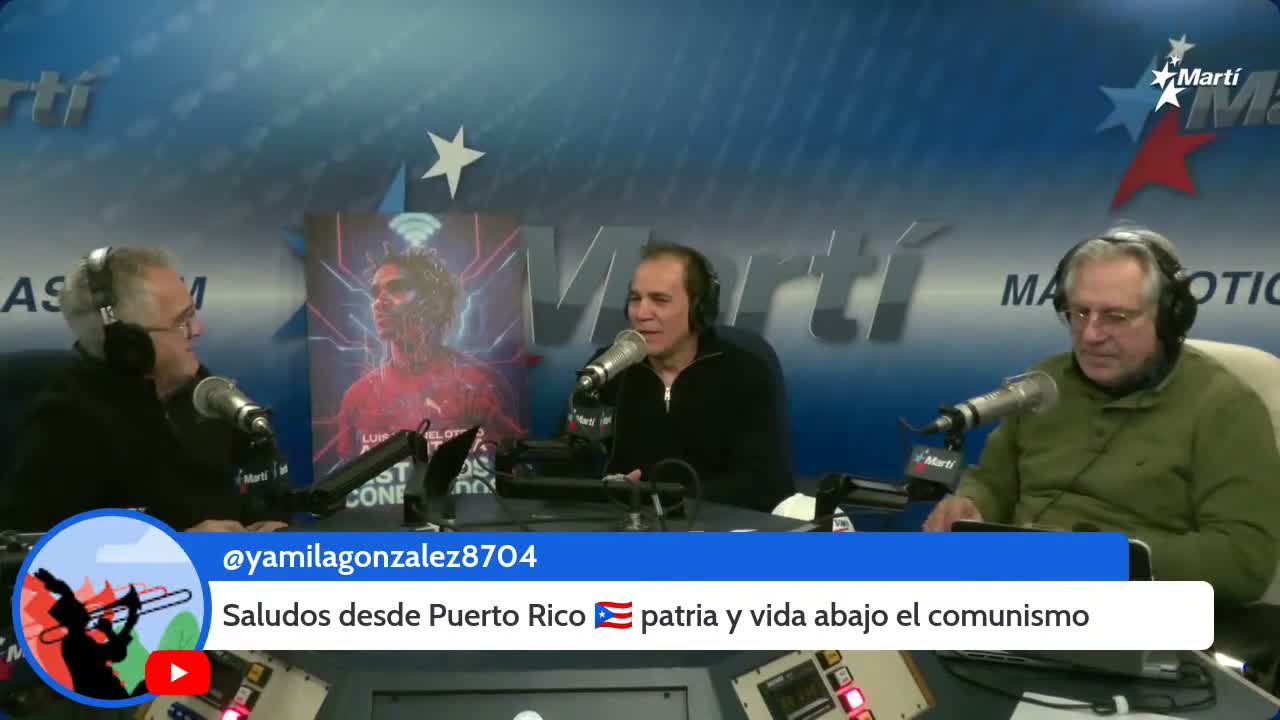
Ernesto Fundora, a director of film and television, previewed his documentary "Luis Manuel Otero Alcántara, Estamos Conectados" during a Radio Martí special broadcast from Miami on Feb. 5–6, 2026. The filmmaker said the work is "a collage" of cellphone footage, professional recordings and interviews and lasts "una hora 40 minutos." He described two images he called central: Otero dragging a large stone through the streets and a scene of him trying simply to enter a movie theater, both presented as powerful visual testimony to the artist’s experience.
Fundora said he has been in direct contact with Otero, who "saw the first 25 minutes of the documentary" and "se rompió a llorar," an emotional response Fundora recounted on-air. Hosts Andrés Reinaldo and Miguel Cossio framed the film as a compact narrative of both a singular life and a broader social moment in Cuba.
A central theme of the documentary, speakers said, is the San Isidro movement. Fundora described San Isidro as emerging from Havana Vieja’s marginalized neighborhoods and noted the movement’s broad social mix — "a lot of women," Afro‑Cuban and mulato participants — and its cultural tactics that translated into political impact. "La cultura, la libertad," as one host put it, became a rallying cry that cut across political labels, Fundora and the hosts said.
Fundora criticized what he described in the broadcast as restrictive Cuban cultural policy, referring to "la 349" as "una ley mordaza" that constrains independent creators and channels artistic activity into state institutions. He and the hosts portrayed the law and other official measures as part of the state's efforts to control cultural expression.
The filmmaker announced U.S. screenings and broadcast plans: the U.S. premiere at the Museo Americano de la Diáspora Cubana on Saturday, Feb. 7 at 6 p.m.; a second screening Sunday, Feb. 8 at 4 p.m. on Calle Dragones in Little Havana; a Feb. 12 showing at a newly opened Miami theater at 7 p.m.; and an event Feb. 15 at Tower Road Ranch. Fundora said the film will also be shown on platforms including Mega TV, UniVista TV and Rockus Channel and that Radio Martí’s online pages would share material.
The interview emphasized the documentary’s role as both a portrait of one artist and a record of a broader social movement that, the participants argued on-air, has changed how marginalized communities in Cuba engage politically. The program closed with hosts thanking their production team and Fundora for the preview. The transcript includes no formal claims about distribution agreements beyond the broadcast intentions stated on-air.
Fundora said he has been in direct contact with Otero, who "saw the first 25 minutes of the documentary" and "se rompió a llorar," an emotional response Fundora recounted on-air. Hosts Andrés Reinaldo and Miguel Cossio framed the film as a compact narrative of both a singular life and a broader social moment in Cuba.
A central theme of the documentary, speakers said, is the San Isidro movement. Fundora described San Isidro as emerging from Havana Vieja’s marginalized neighborhoods and noted the movement’s broad social mix — "a lot of women," Afro‑Cuban and mulato participants — and its cultural tactics that translated into political impact. "La cultura, la libertad," as one host put it, became a rallying cry that cut across political labels, Fundora and the hosts said.
Fundora criticized what he described in the broadcast as restrictive Cuban cultural policy, referring to "la 349" as "una ley mordaza" that constrains independent creators and channels artistic activity into state institutions. He and the hosts portrayed the law and other official measures as part of the state's efforts to control cultural expression.
The filmmaker announced U.S. screenings and broadcast plans: the U.S. premiere at the Museo Americano de la Diáspora Cubana on Saturday, Feb. 7 at 6 p.m.; a second screening Sunday, Feb. 8 at 4 p.m. on Calle Dragones in Little Havana; a Feb. 12 showing at a newly opened Miami theater at 7 p.m.; and an event Feb. 15 at Tower Road Ranch. Fundora said the film will also be shown on platforms including Mega TV, UniVista TV and Rockus Channel and that Radio Martí’s online pages would share material.
The interview emphasized the documentary’s role as both a portrait of one artist and a record of a broader social movement that, the participants argued on-air, has changed how marginalized communities in Cuba engage politically. The program closed with hosts thanking their production team and Fundora for the preview. The transcript includes no formal claims about distribution agreements beyond the broadcast intentions stated on-air.
Don't Miss a Word: See the Full Meeting!
Go beyond summaries. Unlock every video, transcript, and key insight with a Founder Membership.
✓
Get instant access to full meeting videos
✓
Search and clip any phrase from complete transcripts
✓
Receive AI-powered summaries & custom alerts
✓
Enjoy lifetime, unrestricted access to government data
30-day money-back guarantee
