Agency says Reach First will be folded into Reach Up; committee presses federal compliance safeguards
February 06, 2026 | Human Services, HOUSE OF REPRESENTATIVES, Committees, Legislative , Vermont
This article was created by AI summarizing key points discussed. AI makes mistakes, so for full details and context, please refer to the video of the full meeting. Please report any errors so we can fix them. Report an error »
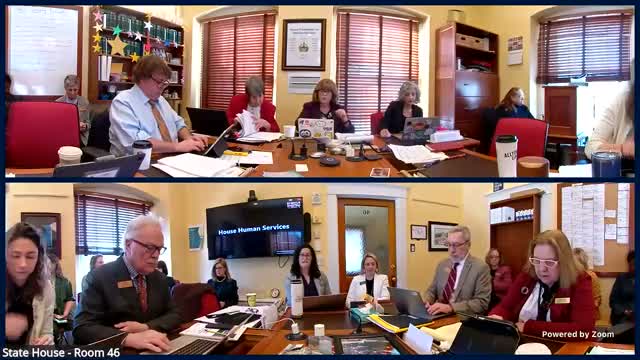
Deputy Commissioner Gray told the House Human Services committee the administration plans to eliminate the separate Reach First program and absorb those cases into the regular Reach Up caseload. "Absolutely," Gray said, "the folks would still be eligible for regular Reach Up. It really just eliminates administrative burden." The agency estimates Reach First averaged about 15 cases per month and said the same eligibility rules will apply under Reach Up.
Committee members thanked staff for the effort to streamline programs but warned that the Reach suite of policies originally grew out of federal work‑participation requirements. Speaker 7, recounting the program’s origins during welfare reform, said the special program design helped protect Vermont’s work‑participation rate by keeping certain people off the denominator and providing short‑term cash so they did not temporarily inflate participation shortfalls.
Members asked for follow‑up data and assurances. "We might need to refocus under this current federal administration," Deputy Commissioner Gray replied, noting staff are watching federal guidance closely. Representatives pressed for a clear projection showing that absorbing Reach First cases will not jeopardize federal compliance; staff pointed to Act 76 (state investment to buy down participation pressure) as one mitigating factor.
What happens next: agency staff agreed to provide follow‑up materials on how Reach First cases will be tracked inside Reach Up and how the state will preserve federal work‑participation protections while moving to a more engagement‑oriented model.
Committee members thanked staff for the effort to streamline programs but warned that the Reach suite of policies originally grew out of federal work‑participation requirements. Speaker 7, recounting the program’s origins during welfare reform, said the special program design helped protect Vermont’s work‑participation rate by keeping certain people off the denominator and providing short‑term cash so they did not temporarily inflate participation shortfalls.
Members asked for follow‑up data and assurances. "We might need to refocus under this current federal administration," Deputy Commissioner Gray replied, noting staff are watching federal guidance closely. Representatives pressed for a clear projection showing that absorbing Reach First cases will not jeopardize federal compliance; staff pointed to Act 76 (state investment to buy down participation pressure) as one mitigating factor.
What happens next: agency staff agreed to provide follow‑up materials on how Reach First cases will be tracked inside Reach Up and how the state will preserve federal work‑participation protections while moving to a more engagement‑oriented model.
Don't Miss a Word: See the Full Meeting!
Go beyond summaries. Unlock every video, transcript, and key insight with a Founder Membership.
✓
Get instant access to full meeting videos
✓
Search and clip any phrase from complete transcripts
✓
Receive AI-powered summaries & custom alerts
✓
Enjoy lifetime, unrestricted access to government data
30-day money-back guarantee
