Refugee and asylee SNAP reinstatement fraught with errors, advocates tell committee
February 06, 2026 | Human Services, HOUSE OF REPRESENTATIVES, Committees, Legislative , Vermont
This article was created by AI summarizing key points discussed. AI makes mistakes, so for full details and context, please refer to the video of the full meeting. Please report any errors so we can fix them. Report an error »
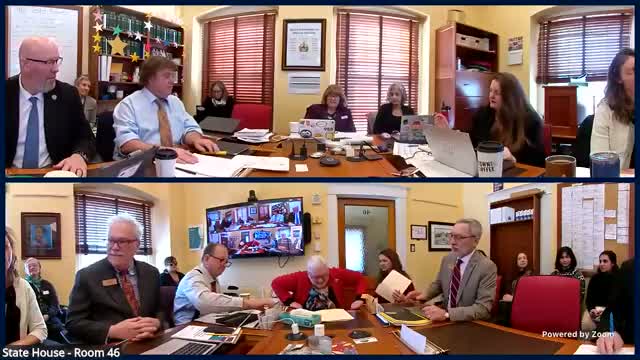
Molly Gray of the Vermont Afghan Alliance told the House Human Services committee that HR1 clarified eligibility for people with green cards but left a population of recent refugees and asylees who do not yet have cards without SNAP. "This population no longer has access to food through the state of Vermont, yet the situation for them has not changed," Gray said, and urged consideration of a state‑funded food program for those left out of federal eligibility, or a way to pay benefits from state dollars to avoid federal restrictions.
A resettlement organization staffer described practical problems getting clients re‑enrolled even after eligibility was restored: supervisor and caseworker confusion, inconsistent interpretation of new rules and repeated trips to local offices. The advocate said they made more than 30 visits for five cases and often had to insist on supervisor review. "It was exhausting," the witness said, and recommended the department create a specialist contact or training protocol so reorganizations do not leave eligible families without benefits.
Committee members expressed regret about the administrative disruption and committed to follow‑up. The chair said the committee had acted to clarify state practice in earlier sessions and agreed to work with agency staff to improve training and a designated point of contact for complex immigration cases.
What happens next: agency staff and committee members agreed to follow up on specific operational fixes, staff training, and whether state funds are needed to bridge access gaps for refugees and asylees who remain ineligible for federal SNAP.
A resettlement organization staffer described practical problems getting clients re‑enrolled even after eligibility was restored: supervisor and caseworker confusion, inconsistent interpretation of new rules and repeated trips to local offices. The advocate said they made more than 30 visits for five cases and often had to insist on supervisor review. "It was exhausting," the witness said, and recommended the department create a specialist contact or training protocol so reorganizations do not leave eligible families without benefits.
Committee members expressed regret about the administrative disruption and committed to follow‑up. The chair said the committee had acted to clarify state practice in earlier sessions and agreed to work with agency staff to improve training and a designated point of contact for complex immigration cases.
What happens next: agency staff and committee members agreed to follow up on specific operational fixes, staff training, and whether state funds are needed to bridge access gaps for refugees and asylees who remain ineligible for federal SNAP.
Don't Miss a Word: See the Full Meeting!
Go beyond summaries. Unlock every video, transcript, and key insight with a Founder Membership.
✓
Get instant access to full meeting videos
✓
Search and clip any phrase from complete transcripts
✓
Receive AI-powered summaries & custom alerts
✓
Enjoy lifetime, unrestricted access to government data
30-day money-back guarantee
