Panel advances veterans‑claims consumer protections after split testimony over 'claim sharks'
February 06, 2026 | 2026 Legislature VA, Virginia
This article was created by AI summarizing key points discussed. AI makes mistakes, so for full details and context, please refer to the video of the full meeting. Please report any errors so we can fix them. Report an error »
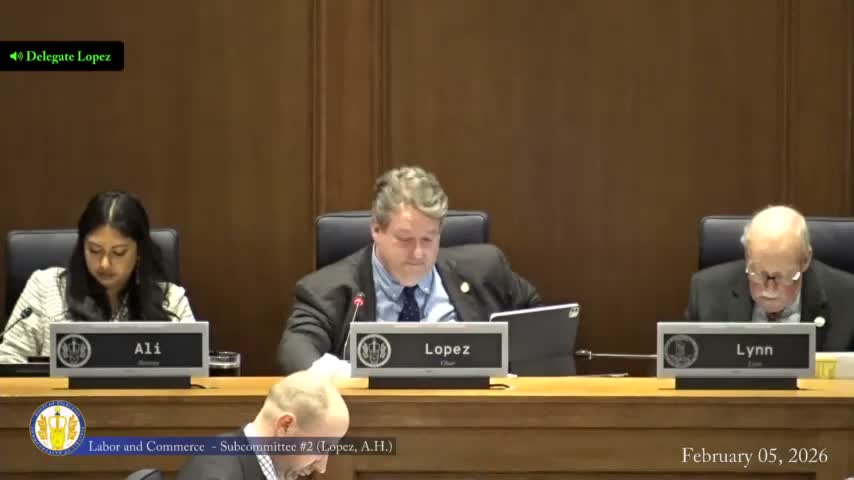
Delegate Herring presented HB 398 as a consumer protection measure that would impose disclosure requirements and limits on fees charged by paid preparers who help veterans file VA disability claims, while preserving veterans’ ability to choose paid assistance.
"This bill ensures that Virginia's veterans trying to access benefits are protected from predatory practices while maintaining their freedom to choose how they navigate the Virginia disability process," Delegate Herring said as he outlined penalty and disclosure provisions and a limit on compensation until recovery occurs.
Industry witnesses and some veterans’ service providers supported the measure as a set of necessary guardrails. Mark Christiansen, chief of staff at Veteran Guardian, said his organization has helped thousands of Virginians and welcomed reasonable regulation. Several other veteran‑owned services and legal‑aid advocates told the committee the bill balances protections with veterans’ freedom to choose assistance.
The VFW and its witnesses were sharply critical, saying the bill would authorize unaccredited preparers to charge veterans and could undermine the federal accreditation system. Ron Bridal, a VFW post commander and the VFW's legislative chair in Virginia, said the bill "legalizes the very business model that claim sharks feed on" and cautioned that the measure permits fees that could result in large losses for veterans.
Committee members pressed on accreditation pathways and whether unaccredited preparers could be certified. Delegate Ballard asked whether those actors can become accredited; Delegate Herring acknowledged there is no accreditation pathway for many non‑agent preparers, and proponents emphasized the bill focuses on consumer protections and limits on abusive practices that currently go unchecked.
The subcommittee voted 6–0 to report and refer HB 398 to Appropriations with amendments. The record shows the bill advanced with committee amendments for further fiscal and policy review.
"This bill ensures that Virginia's veterans trying to access benefits are protected from predatory practices while maintaining their freedom to choose how they navigate the Virginia disability process," Delegate Herring said as he outlined penalty and disclosure provisions and a limit on compensation until recovery occurs.
Industry witnesses and some veterans’ service providers supported the measure as a set of necessary guardrails. Mark Christiansen, chief of staff at Veteran Guardian, said his organization has helped thousands of Virginians and welcomed reasonable regulation. Several other veteran‑owned services and legal‑aid advocates told the committee the bill balances protections with veterans’ freedom to choose assistance.
The VFW and its witnesses were sharply critical, saying the bill would authorize unaccredited preparers to charge veterans and could undermine the federal accreditation system. Ron Bridal, a VFW post commander and the VFW's legislative chair in Virginia, said the bill "legalizes the very business model that claim sharks feed on" and cautioned that the measure permits fees that could result in large losses for veterans.
Committee members pressed on accreditation pathways and whether unaccredited preparers could be certified. Delegate Ballard asked whether those actors can become accredited; Delegate Herring acknowledged there is no accreditation pathway for many non‑agent preparers, and proponents emphasized the bill focuses on consumer protections and limits on abusive practices that currently go unchecked.
The subcommittee voted 6–0 to report and refer HB 398 to Appropriations with amendments. The record shows the bill advanced with committee amendments for further fiscal and policy review.
Don't Miss a Word: See the Full Meeting!
Go beyond summaries. Unlock every video, transcript, and key insight with a Founder Membership.
✓
Get instant access to full meeting videos
✓
Search and clip any phrase from complete transcripts
✓
Receive AI-powered summaries & custom alerts
✓
Enjoy lifetime, unrestricted access to government data
30-day money-back guarantee
