Committee favors HB 289 to expand CSAM law to address AI-generated images, with defense group urging proportionality for purely synthetic material
February 05, 2026 | 2026 Utah Legislature, Utah Legislature, Utah Legislative Branch, Utah
This article was created by AI summarizing key points discussed. AI makes mistakes, so for full details and context, please refer to the video of the full meeting. Please report any errors so we can fix them. Report an error »
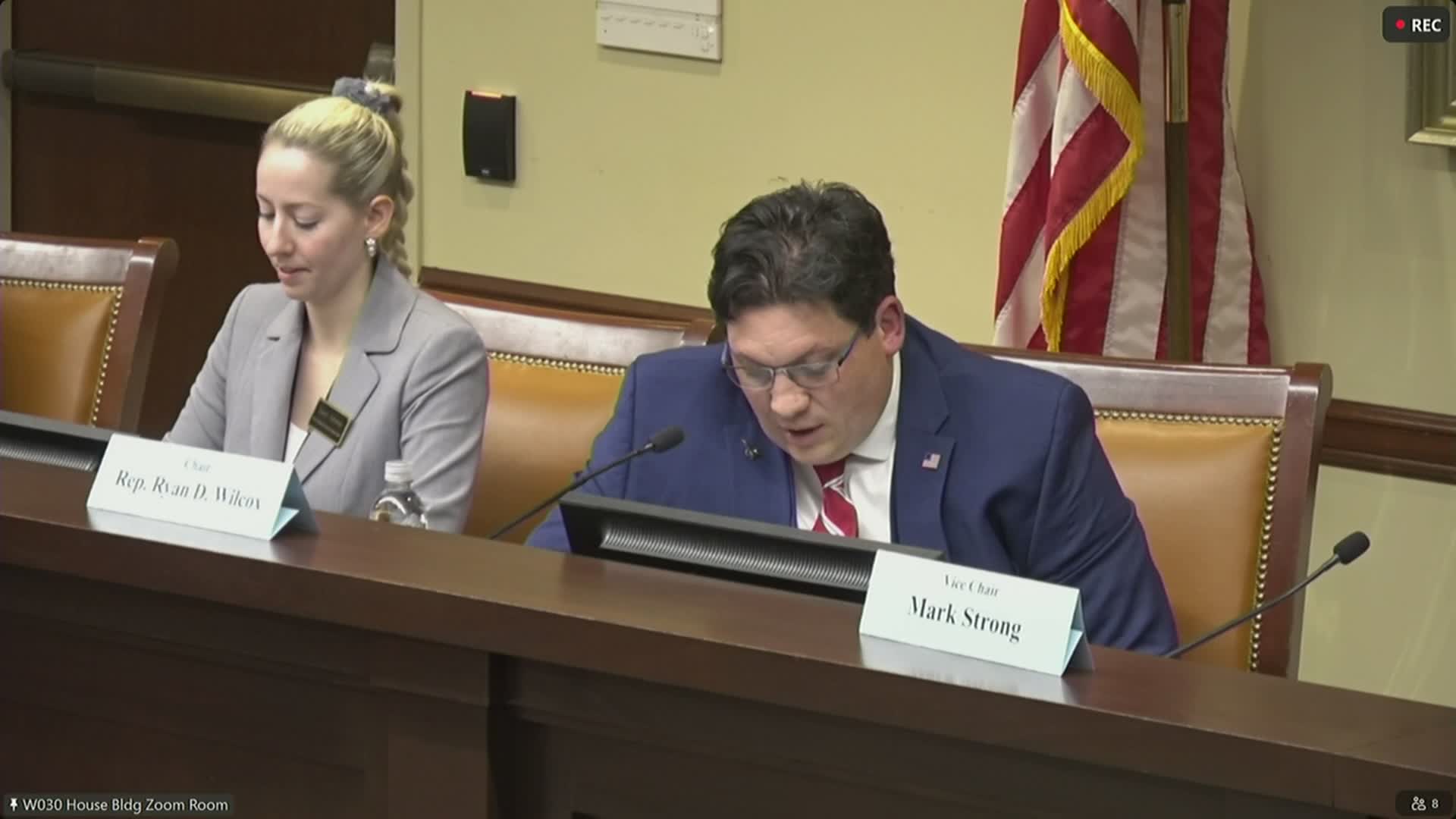
The House Law Enforcement & Criminal Justice Committee voted to recommend HB 289, a bill that updates state law on child sexual-abuse material (CSAM) to address AI-manipulated and synthetic content.
Representative DeFay introduced the bill and said technology has outpaced law; the bill creates definitions and categories to allow prosecution of those producing or distributing CSAM, including some AI-generated material. Carl Holland, executive director of the Statewide Association of Prosecutors, told the committee the bill thoughtfully distinguishes between types of imagery and helps prosecutors pursue harmful actors.
Steve Burton of the Utah Association of Defense Attorneys urged proportionality when the imagery is purely synthetic and does not depict a real child, suggesting penalties be reduced by one degree for AI-only imagery while preserving full penalties when an actual child victim is depicted. Dan Strong of the Sentencing Commission said the bill’s drafting generally follows a careful approach and SoMACC reviewed the measure favorably.
Online commenter Seth Stewart opposed the bill, arguing that certain possession language could create a 'no-fault' standard that lacks an intent requirement and raised a constitutional due-process concern if administrative or planted files could generate criminal exposure for people who did not intend to possess or view material.
The committee adopted a first amendment and then favorably recommended HB 289 as amended. Sponsors and supporters said this is a multiyear effort that will evolve as technology and enforcement needs change.
Representative DeFay introduced the bill and said technology has outpaced law; the bill creates definitions and categories to allow prosecution of those producing or distributing CSAM, including some AI-generated material. Carl Holland, executive director of the Statewide Association of Prosecutors, told the committee the bill thoughtfully distinguishes between types of imagery and helps prosecutors pursue harmful actors.
Steve Burton of the Utah Association of Defense Attorneys urged proportionality when the imagery is purely synthetic and does not depict a real child, suggesting penalties be reduced by one degree for AI-only imagery while preserving full penalties when an actual child victim is depicted. Dan Strong of the Sentencing Commission said the bill’s drafting generally follows a careful approach and SoMACC reviewed the measure favorably.
Online commenter Seth Stewart opposed the bill, arguing that certain possession language could create a 'no-fault' standard that lacks an intent requirement and raised a constitutional due-process concern if administrative or planted files could generate criminal exposure for people who did not intend to possess or view material.
The committee adopted a first amendment and then favorably recommended HB 289 as amended. Sponsors and supporters said this is a multiyear effort that will evolve as technology and enforcement needs change.
View the Full Meeting & All Its Details
This article offers just a summary. Unlock complete video, transcripts, and insights as a Founder Member.
✓
Watch full, unedited meeting videos
✓
Search every word spoken in unlimited transcripts
✓
AI summaries & real-time alerts (all government levels)
✓
Permanent access to expanding government content
30-day money-back guarantee
