Rome zoning board denies deli use-variance for 825 West Dominic Street after neighborhood objections
February 05, 2026 | Rome, Oneida County, New York
This article was created by AI summarizing key points discussed. AI makes mistakes, so for full details and context, please refer to the video of the full meeting. Please report any errors so we can fix them. Report an error »
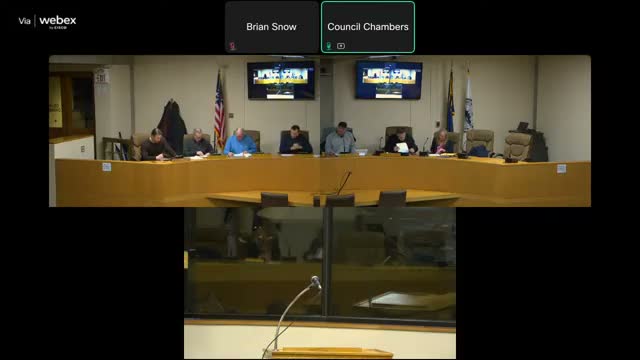
The Rome Zoning Board of Appeals voted 5-0 on Feb. 4 to deny a use variance that would have allowed a deli at 825 West Dominic Street, siding with neighbors who said a commercial use would change the residential character of the block.
Attorney Joseph Malachi, who said he represents the prospective owner, told the board the applicant had received a similar variance in June 2021, purchased the building relying on that approval and later spent about $15,000 on revised architectural plans. Malachi described the revised request as a deli-only operation with no indoor seating and said the business would offer sandwiches, coffee and similar accessory items. "It's basically order your sandwich, come in, pick it up, and leave," Malachi said, describing the intended operation.
Neighbors urged the board to reject the application. "They parked in our driveway," Cynthia Bellinger, a next-door resident at 827 West Dominic Street, said, recounting cleanup issues while the building was vacant. Lorraine Calicchio, who said her backyard abuts an alley near the site, said litter and shortcutting had been ongoing and that a deli could draw more foot traffic and children from a nearby school.
Ramona Smith, who identified herself as fourth ward counselor, summarized zoning constraints and safety concerns: the property lies in an R-2 residential district where a convenience store or sub shop is a nonconforming use that requires a variance, and delivery trucks would either back onto West Dominic Street or be forced into awkward maneuvers because there is no rear access.
Board members applying the four statutory factors for a use variance acknowledged the property is unique and that the owner described ongoing expenses, but several members said they were unconvinced the applicant had demonstrated an unavoidable financial hardship or that the variance would not alter the neighborhood's essential residential character. "I do believe it will change the essential character that the neighborhood has as it stands today," Board member Raymond Tucker said during deliberations.
The board declined to grant the variance by a 5-0 vote. The presiding member closed the item by wishing the applicant well and moving to the next agenda matter.
What happens next: the denial leaves the owner with the option to pursue other permitted uses for the property, seek additional evidence to support a renewed variance application, or appeal the board's decision through available administrative channels.
Attorney Joseph Malachi, who said he represents the prospective owner, told the board the applicant had received a similar variance in June 2021, purchased the building relying on that approval and later spent about $15,000 on revised architectural plans. Malachi described the revised request as a deli-only operation with no indoor seating and said the business would offer sandwiches, coffee and similar accessory items. "It's basically order your sandwich, come in, pick it up, and leave," Malachi said, describing the intended operation.
Neighbors urged the board to reject the application. "They parked in our driveway," Cynthia Bellinger, a next-door resident at 827 West Dominic Street, said, recounting cleanup issues while the building was vacant. Lorraine Calicchio, who said her backyard abuts an alley near the site, said litter and shortcutting had been ongoing and that a deli could draw more foot traffic and children from a nearby school.
Ramona Smith, who identified herself as fourth ward counselor, summarized zoning constraints and safety concerns: the property lies in an R-2 residential district where a convenience store or sub shop is a nonconforming use that requires a variance, and delivery trucks would either back onto West Dominic Street or be forced into awkward maneuvers because there is no rear access.
Board members applying the four statutory factors for a use variance acknowledged the property is unique and that the owner described ongoing expenses, but several members said they were unconvinced the applicant had demonstrated an unavoidable financial hardship or that the variance would not alter the neighborhood's essential residential character. "I do believe it will change the essential character that the neighborhood has as it stands today," Board member Raymond Tucker said during deliberations.
The board declined to grant the variance by a 5-0 vote. The presiding member closed the item by wishing the applicant well and moving to the next agenda matter.
What happens next: the denial leaves the owner with the option to pursue other permitted uses for the property, seek additional evidence to support a renewed variance application, or appeal the board's decision through available administrative channels.
Don't Miss a Word: See the Full Meeting!
Go beyond summaries. Unlock every video, transcript, and key insight with a Founder Membership.
✓
Get instant access to full meeting videos
✓
Search and clip any phrase from complete transcripts
✓
Receive AI-powered summaries & custom alerts
✓
Enjoy lifetime, unrestricted access to government data
30-day money-back guarantee
