Appeals court debates withheld videos and DCF records in Noel convictions challenge
February 05, 2026 | Judicial - Appeals Court Oral Arguments, Judicial, Massachusetts
This article was created by AI summarizing key points discussed. AI makes mistakes, so for full details and context, please refer to the video of the full meeting. Please report any errors so we can fix them. Report an error »
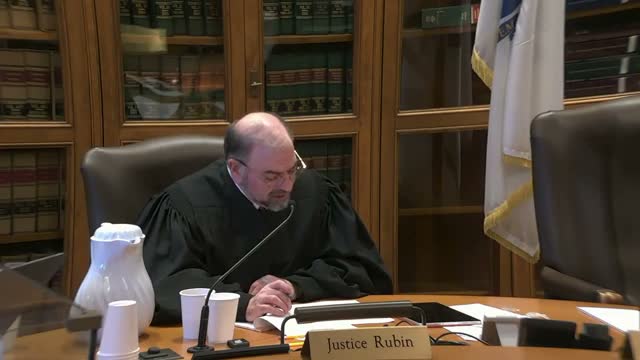
Benjamin Brooks, representing Helmedine Noel, told the appeals panel the record on appeal lacks critical evidence — still photos and video that defense counsel say show distinctive beauty marks and the defendant’s patchy thigh skin — and that exclusion of DCF/medical records and limits on cross-examination deprived Noel of a meaningful opportunity to attack the complaining witness’s credibility.
Brooks urged that the appellate court either obtain the materials from the trial clerk or remand for development of the record; he said the factual question of identification is central to harmless-error analysis. The defense also argued that the trial court prevented inquiry into an early DCF allegation (when the complaining witness was 4 or 5) that could bear on whether she knew how and when to report abuse.
Commonwealth counsel Sarah Lewis, joined by trial prosecutor Allison Portney, said the record contains multiple corroborating items (video content, brother’s identification, testimony about distinctive set pieces) and that the judge permissibly limited speculative, remote-in-time evidence. Lewis told the court the record as presented supports the jury’s verdict and that appellate review could seek transmission of the videos if the panel thought it necessary.
The justices probed whether appellate harmless-error review requires supplemental record material and whether the exclusion rulings were a complete foreclosure of critical cross-examination; they left the matter submitted after argument.
Brooks urged that the appellate court either obtain the materials from the trial clerk or remand for development of the record; he said the factual question of identification is central to harmless-error analysis. The defense also argued that the trial court prevented inquiry into an early DCF allegation (when the complaining witness was 4 or 5) that could bear on whether she knew how and when to report abuse.
Commonwealth counsel Sarah Lewis, joined by trial prosecutor Allison Portney, said the record contains multiple corroborating items (video content, brother’s identification, testimony about distinctive set pieces) and that the judge permissibly limited speculative, remote-in-time evidence. Lewis told the court the record as presented supports the jury’s verdict and that appellate review could seek transmission of the videos if the panel thought it necessary.
The justices probed whether appellate harmless-error review requires supplemental record material and whether the exclusion rulings were a complete foreclosure of critical cross-examination; they left the matter submitted after argument.
Don't Miss a Word: See the Full Meeting!
Go beyond summaries. Unlock every video, transcript, and key insight with a Founder Membership.
✓
Get instant access to full meeting videos
✓
Search and clip any phrase from complete transcripts
✓
Receive AI-powered summaries & custom alerts
✓
Enjoy lifetime, unrestricted access to government data
30-day money-back guarantee
