Appeals court hears challenge to dismissal after absent police witnesses in Commonwealth v. LaSalle
February 05, 2026 | Judicial - Appeals Court Oral Arguments, Judicial, Massachusetts
This article was created by AI summarizing key points discussed. AI makes mistakes, so for full details and context, please refer to the video of the full meeting. Please report any errors so we can fix them. Report an error »
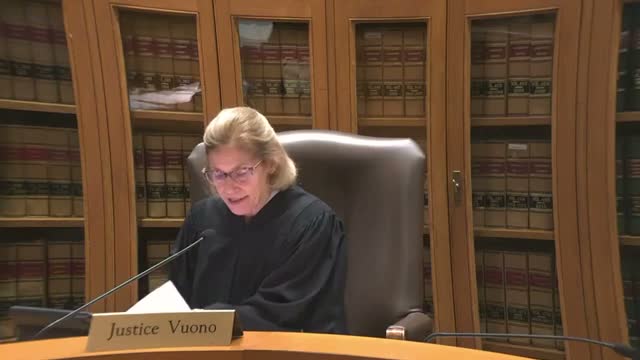
The Commonwealth asked the appeals court to reverse a district-court judge’s dismissal without prejudice of a criminal complaint in Commonwealth v. Eric LaSalle, arguing the judge abused her discretion despite the Commonwealth having answered "ready" for trial and having summoned witnesses, including police officers. "The Commonwealth respectfully requests that the court reverse the order of dismissal without prejudice in this case," attorney Katherine Jansen told the panel.
Defense counsel Jose Moncada responded that the trial judge acted within the broad discretion afforded to district judges when witnesses did not appear and that other options the Commonwealth now cites were not pursued in the moment. "As long as she, ... considered all the reasonable alternatives, it doesn't have to," Moncada said in support of the dismissal.
Why it matters: The dispute turns on whether the absence of police witnesses — who were summoned but did not appear — justified dismissal rather than lesser remedies such as a continuance or a capias (bench warrant). The Commonwealth contended dismissal prolongs the victim’s ordeal and can hamper prosecution because re-filing and returning to the trial list can take months; the defense said repeated nonappearance supports dismissal and that the defendant strategically chose dismissal when warranted.
Key details: Counsel debated whether a district judge should have called or attempted to secure the officers, issued a capias, or granted a continuance. The Commonwealth pointed to a transcript exchange about authentication of body-worn camera footage that the defense said could have been authenticated by an officer who did not ultimately appear. The defense noted the record shows one officer was on vacation on the critical date and stressed that dismissal was without prejudice.
What the court asked: Panel members pressed both sides on whether the record shows the judge considered alternative measures and on how severe a showing of prejudice to the Commonwealth is required under precedent. Counsel on both sides cited unpublished and published authority in support of their positions.
Next steps: The panel heard argument and took the case under advisement. No panel ruling was announced at oral argument.
Defense counsel Jose Moncada responded that the trial judge acted within the broad discretion afforded to district judges when witnesses did not appear and that other options the Commonwealth now cites were not pursued in the moment. "As long as she, ... considered all the reasonable alternatives, it doesn't have to," Moncada said in support of the dismissal.
Why it matters: The dispute turns on whether the absence of police witnesses — who were summoned but did not appear — justified dismissal rather than lesser remedies such as a continuance or a capias (bench warrant). The Commonwealth contended dismissal prolongs the victim’s ordeal and can hamper prosecution because re-filing and returning to the trial list can take months; the defense said repeated nonappearance supports dismissal and that the defendant strategically chose dismissal when warranted.
Key details: Counsel debated whether a district judge should have called or attempted to secure the officers, issued a capias, or granted a continuance. The Commonwealth pointed to a transcript exchange about authentication of body-worn camera footage that the defense said could have been authenticated by an officer who did not ultimately appear. The defense noted the record shows one officer was on vacation on the critical date and stressed that dismissal was without prejudice.
What the court asked: Panel members pressed both sides on whether the record shows the judge considered alternative measures and on how severe a showing of prejudice to the Commonwealth is required under precedent. Counsel on both sides cited unpublished and published authority in support of their positions.
Next steps: The panel heard argument and took the case under advisement. No panel ruling was announced at oral argument.
Don't Miss a Word: See the Full Meeting!
Go beyond summaries. Unlock every video, transcript, and key insight with a Founder Membership.
✓
Get instant access to full meeting videos
✓
Search and clip any phrase from complete transcripts
✓
Receive AI-powered summaries & custom alerts
✓
Enjoy lifetime, unrestricted access to government data
30-day money-back guarantee
