City attorney gives planning commissioners a Brown Act and procedural refresher
February 05, 2026 | Perris, Riverside County, California
This article was created by AI summarizing key points discussed. AI makes mistakes, so for full details and context, please refer to the video of the full meeting. Please report any errors so we can fix them. Report an error »
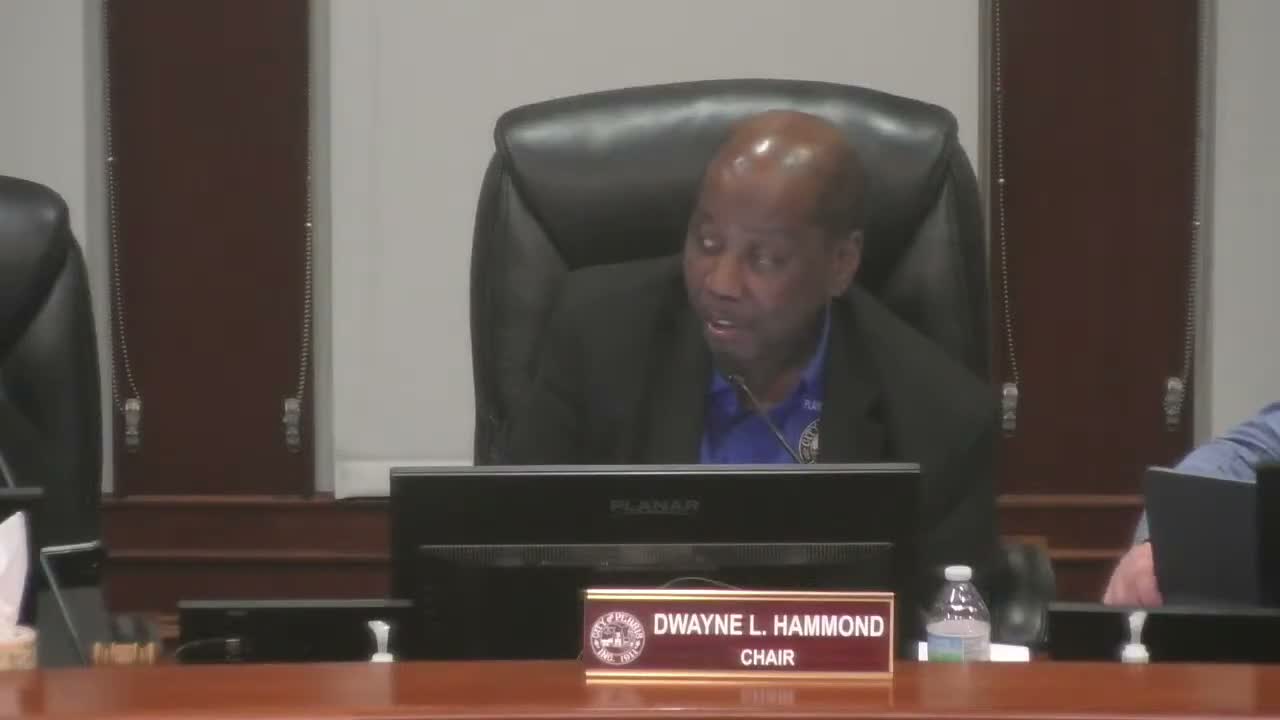
Assistant City Attorney Benjamin Jones delivered a refresher training for the Planning Commission covering bylaws, Robert’s Rules of Order, public‑hearing procedure, motion types and the legal differences between quasi‑judicial and legislative matters.
Jones reviewed the Brown Act’s agenda‑posting and open‑meeting requirements, the prohibition on serial meetings (chain, hub‑and‑spoke, and intermediary examples), and cautioned commissioners about responding to colleagues’ jurisdictional posts on social media. He outlined the four‑step FPPC test for financial conflicts of interest (including the 500‑foot presumption for real property) and explained recusal, disclosure and the limited “rule of necessity” exception when a quorum cannot be assembled without conflicted members.
The presentation included guidance on closing and reopening public hearings, limits on rebuttal after public comment, and best practices for avoiding bias in quasi‑judicial decisions. Commissioners asked several clarifying questions about recusal and whether a recused commissioner can later speak as a member of the public; Jones said a commissioner may speak in a personal capacity from the public podium but must not participate in deliberation and must be careful that remarks do not appear to influence the official process.
Jones encouraged commissioners to consult FPPC resources or the city attorney on conflict questions and to treat ex parte contacts cautiously in quasi‑judicial matters.
The training concluded with commissioners thanking Jones and asking staff to provide copies of references and the planning commissioners’ handbook.
Next steps: Jones offered to send additional materials and the commission requested follow‑up documents (handbook and resources) for reference.
Jones reviewed the Brown Act’s agenda‑posting and open‑meeting requirements, the prohibition on serial meetings (chain, hub‑and‑spoke, and intermediary examples), and cautioned commissioners about responding to colleagues’ jurisdictional posts on social media. He outlined the four‑step FPPC test for financial conflicts of interest (including the 500‑foot presumption for real property) and explained recusal, disclosure and the limited “rule of necessity” exception when a quorum cannot be assembled without conflicted members.
The presentation included guidance on closing and reopening public hearings, limits on rebuttal after public comment, and best practices for avoiding bias in quasi‑judicial decisions. Commissioners asked several clarifying questions about recusal and whether a recused commissioner can later speak as a member of the public; Jones said a commissioner may speak in a personal capacity from the public podium but must not participate in deliberation and must be careful that remarks do not appear to influence the official process.
Jones encouraged commissioners to consult FPPC resources or the city attorney on conflict questions and to treat ex parte contacts cautiously in quasi‑judicial matters.
The training concluded with commissioners thanking Jones and asking staff to provide copies of references and the planning commissioners’ handbook.
Next steps: Jones offered to send additional materials and the commission requested follow‑up documents (handbook and resources) for reference.
View the Full Meeting & All Its Details
This article offers just a summary. Unlock complete video, transcripts, and insights as a Founder Member.
✓
Watch full, unedited meeting videos
✓
Search every word spoken in unlimited transcripts
✓
AI summaries & real-time alerts (all government levels)
✓
Permanent access to expanding government content
30-day money-back guarantee
