Vermont Heavy Timber says $50,000 Working Lands grant eased winter bottleneck and supports hiring plans
February 05, 2026 | Agriculture, Food Resiliency, & Forestry, HOUSE OF REPRESENTATIVES, Committees, Legislative , Vermont
This article was created by AI summarizing key points discussed. AI makes mistakes, so for full details and context, please refer to the video of the full meeting. Please report any errors so we can fix them. Report an error »
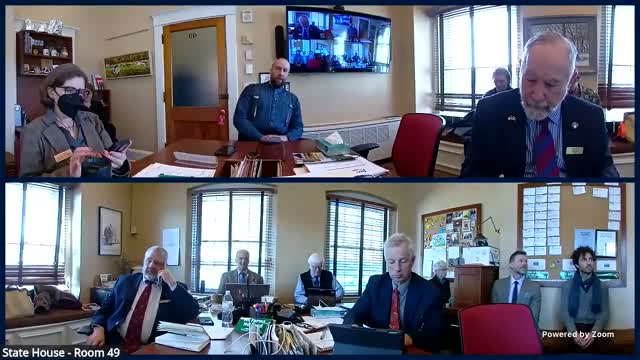
Miles Furness, owner of Vermont Heavy Timber in Huntington, told the Vermont Working Lands Board that a $50,000 Working Lands grant helped his company build a drying shed that resolved a critical winter storage bottleneck and allowed the firm to expand.
Furness said his timber-framing shop, founded about 12 years ago, employs six people and did about $1.3 million in business last year. The company focuses on restoration projects — notably covered bridges, meeting houses and churches — and said it works to the Secretary of the Interior's preservation standards when projects are funded with state or federal grants.
"We were given $50,000 to build a drying shed," Furness said. He described the new structure as "a little over a 100 feet long and 25 feet, with two 50 foot bays," allowing the business to store long timbers cut during winter so crews can complete restoration work efficiently during the construction season.
Furness said Vermont Heavy Timber runs a sawmill capable of sawing timbers up to 53 feet and that the firm mills roughly 90–95% of its own timbers in-state. He noted close partnerships with organizations such as the Timber Framers Guild and federal programs including NRCS, and said the company has taken technical-assistance support from the Vermont Housing Conservation Board.
The owner told the board that workforce development is a key constraint: "Teaching is a really big thing," Furness said, describing specialized on-the-job training in rigging, jacking and preservation techniques. He told the committee the business hopes to add three to four employees — including lead carpenters and project managers — and prefers to hire some less-experienced workers that the shop can train.
Furness also described supply-chain challenges. He said certain species, particularly large white oak timbers, can be hard to source in Vermont and that his company will reach out to county foresters, private foresters and hand loggers to find the right trees. He added that regional shortages of loggers and sawmills sometimes raise costs: "we'll pay 10% more, sometimes even more," he said, to secure the wood they need.
Board members praised the preservation work and the grant's role in sustaining a niche craft and local supply chain. The committee closed the presentation and moved to the next witness.
Next steps: board members discussed collecting data on grant outcomes (jobs created, increased sales or productivity) in final reports and follow-up evaluations, and staff indicated they may request additional data from grantees to measure impact.
Sources: Direct remarks and answers from Miles Furness during the Working Lands Board presentation (transcript segments beginning SEG 004 through SEG 606).
Furness said his timber-framing shop, founded about 12 years ago, employs six people and did about $1.3 million in business last year. The company focuses on restoration projects — notably covered bridges, meeting houses and churches — and said it works to the Secretary of the Interior's preservation standards when projects are funded with state or federal grants.
"We were given $50,000 to build a drying shed," Furness said. He described the new structure as "a little over a 100 feet long and 25 feet, with two 50 foot bays," allowing the business to store long timbers cut during winter so crews can complete restoration work efficiently during the construction season.
Furness said Vermont Heavy Timber runs a sawmill capable of sawing timbers up to 53 feet and that the firm mills roughly 90–95% of its own timbers in-state. He noted close partnerships with organizations such as the Timber Framers Guild and federal programs including NRCS, and said the company has taken technical-assistance support from the Vermont Housing Conservation Board.
The owner told the board that workforce development is a key constraint: "Teaching is a really big thing," Furness said, describing specialized on-the-job training in rigging, jacking and preservation techniques. He told the committee the business hopes to add three to four employees — including lead carpenters and project managers — and prefers to hire some less-experienced workers that the shop can train.
Furness also described supply-chain challenges. He said certain species, particularly large white oak timbers, can be hard to source in Vermont and that his company will reach out to county foresters, private foresters and hand loggers to find the right trees. He added that regional shortages of loggers and sawmills sometimes raise costs: "we'll pay 10% more, sometimes even more," he said, to secure the wood they need.
Board members praised the preservation work and the grant's role in sustaining a niche craft and local supply chain. The committee closed the presentation and moved to the next witness.
Next steps: board members discussed collecting data on grant outcomes (jobs created, increased sales or productivity) in final reports and follow-up evaluations, and staff indicated they may request additional data from grantees to measure impact.
Sources: Direct remarks and answers from Miles Furness during the Working Lands Board presentation (transcript segments beginning SEG 004 through SEG 606).
Don't Miss a Word: See the Full Meeting!
Go beyond summaries. Unlock every video, transcript, and key insight with a Founder Membership.
✓
Get instant access to full meeting videos
✓
Search and clip any phrase from complete transcripts
✓
Receive AI-powered summaries & custom alerts
✓
Enjoy lifetime, unrestricted access to government data
30-day money-back guarantee
