Community coalition urges state funding for benefit assisters to help Vermonters keep SNAP and Medicaid
February 05, 2026 | Agriculture, Food Resiliency, & Forestry, HOUSE OF REPRESENTATIVES, Committees, Legislative , Vermont
This article was created by AI summarizing key points discussed. AI makes mistakes, so for full details and context, please refer to the video of the full meeting. Please report any errors so we can fix them. Report an error »
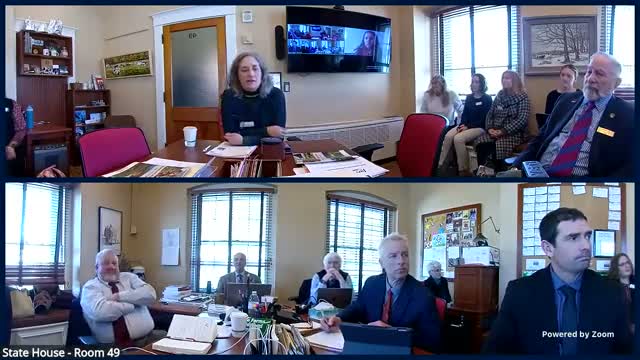
Community advocates told the committee that investing in a network of paid "benefit assisters" at community service providers would help eligible Vermonters retain SNAP (3Squares Vermont) and Medicaid benefits and keep federal dollars flowing to local grocers and health providers.
Amy Scholenberger introduced the proposal as a coalition‑built budget request developed with about 16–20 organizations; she said the group assembled budgets, commitments to check clients' program eligibility and plans for training and language access support. "All of the organizations who have a funding request in this proposal are committing to having their entire organization checking with the people that they serve," she told the committee.
Ivy Enoch, Policy and Advocacy Director at Hunger Free Vermont, described the 3Squares Vermont workgroup that coordinates trained benefit assisters across the state. Enoch said the group played a critical role during emergency response to recent flooding and has provided statewide training: "Last year, we trained more than 800 people," she said. Enoch framed the proposal as a way to preserve benefits and prevent the loss of federal grocery and health dollars after recent federal changes (testimony cited the federal "HR 1" package and said those changes went into effect in October 2025). She said the state faces increased verification and reporting requirements that will raise demand for application assistance and outreach.
Connie Beal, Working Bridges director with United Way of Northwest Vermont, gave an employer perspective and described on‑site resource coordinators who help employees apply for benefits confidentially. She shared a case example of a working parent who did not know they were eligible for SNAP until connected by a workplace resource coordinator, emphasizing that benefit assisters can help maintain workforce stability and employee health.
Why it matters: witnesses argued that benefit assisters reduce administrative errors, help people navigate complex notices and verifications, and preserve federal funds flowing into Vermont communities. The proposal includes funding to support SNAP outreach match changes, expanded 2‑1‑1 referral capacity and language access support.
Next steps: advocates offered to provide the committee with written budgets and follow‑up detail and asked the committee to review the coalition's handout posted to the committee website.
Amy Scholenberger introduced the proposal as a coalition‑built budget request developed with about 16–20 organizations; she said the group assembled budgets, commitments to check clients' program eligibility and plans for training and language access support. "All of the organizations who have a funding request in this proposal are committing to having their entire organization checking with the people that they serve," she told the committee.
Ivy Enoch, Policy and Advocacy Director at Hunger Free Vermont, described the 3Squares Vermont workgroup that coordinates trained benefit assisters across the state. Enoch said the group played a critical role during emergency response to recent flooding and has provided statewide training: "Last year, we trained more than 800 people," she said. Enoch framed the proposal as a way to preserve benefits and prevent the loss of federal grocery and health dollars after recent federal changes (testimony cited the federal "HR 1" package and said those changes went into effect in October 2025). She said the state faces increased verification and reporting requirements that will raise demand for application assistance and outreach.
Connie Beal, Working Bridges director with United Way of Northwest Vermont, gave an employer perspective and described on‑site resource coordinators who help employees apply for benefits confidentially. She shared a case example of a working parent who did not know they were eligible for SNAP until connected by a workplace resource coordinator, emphasizing that benefit assisters can help maintain workforce stability and employee health.
Why it matters: witnesses argued that benefit assisters reduce administrative errors, help people navigate complex notices and verifications, and preserve federal funds flowing into Vermont communities. The proposal includes funding to support SNAP outreach match changes, expanded 2‑1‑1 referral capacity and language access support.
Next steps: advocates offered to provide the committee with written budgets and follow‑up detail and asked the committee to review the coalition's handout posted to the committee website.
Don't Miss a Word: See the Full Meeting!
Go beyond summaries. Unlock every video, transcript, and key insight with a Founder Membership.
✓
Get instant access to full meeting videos
✓
Search and clip any phrase from complete transcripts
✓
Receive AI-powered summaries & custom alerts
✓
Enjoy lifetime, unrestricted access to government data
30-day money-back guarantee
