Vermont tax officials describe automated use of IRS data in compliance; programs generate about $11 million yearly
January 31, 2026 | Ways & Means, HOUSE OF REPRESENTATIVES, Committees, Legislative , Vermont
This article was created by AI summarizing key points discussed. AI makes mistakes, so for full details and context, please refer to the video of the full meeting. Please report any errors so we can fix them. Report an error »
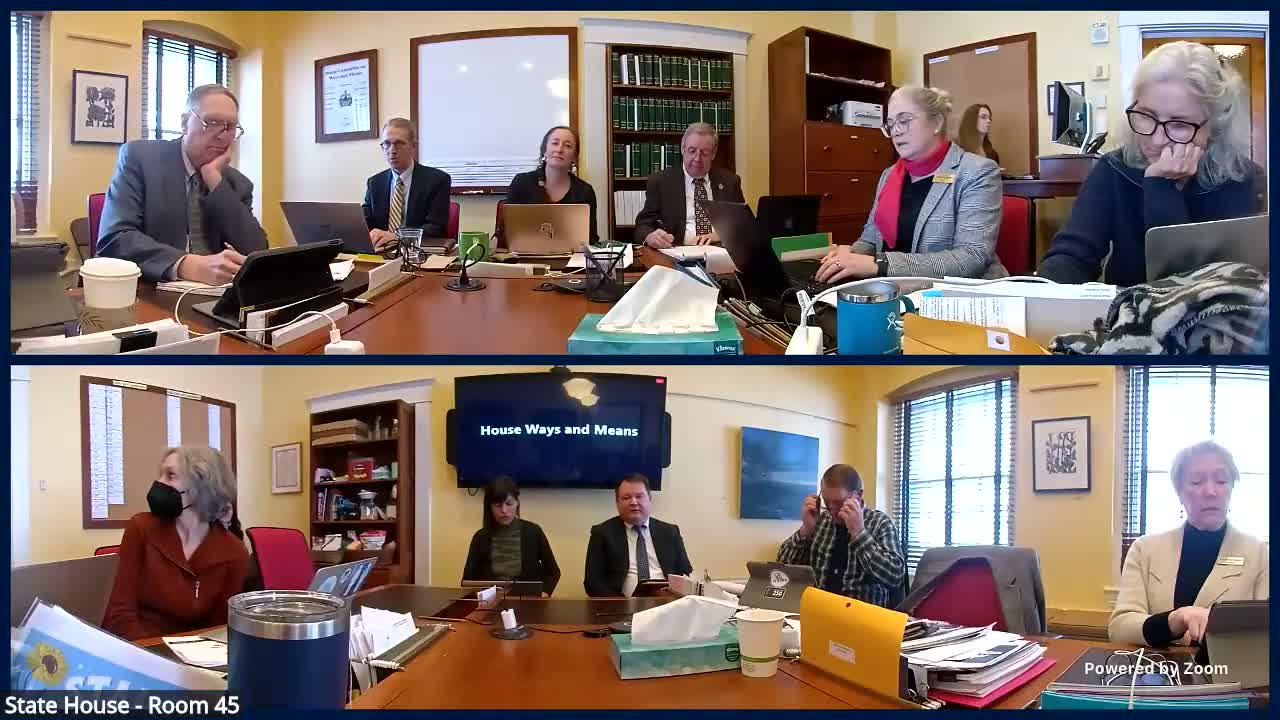
Will Baker, legal director at the Vermont Department of Taxes, told the Ways & Means Committee that the department uses IRS datasets and participates in the IRS Modernized e‑File (MEF) system to process and screen returns during filing season. Baker said Vermont receives electronic returns through MEF and feeds federal information into automated screening tools that highlight returns for further review.
Baker said an automated “fraud manager” scores incoming returns using federal and inter‑state data and applies red flags when the IRS or other states identify suspicious filings. He emphasized that a red flag “doesn’t necessarily mean it’s suspicious” but triggers a heightened departmental review.
On the audit side, Baker described a set of discrepancy programs that analyze earlier tax years, noting the department has completed runs for 2022 and plans to run 2023 data. Those programs compare federal W‑2 and adjusted gross income information with Vermont filings to identify nonfilers and mismatches. “It all happens automated in an automated fashion, and that’s about $11,000,000 a year of assessments,” Baker said.
Committee members pressed staff about a recent dip in the federal audit dataset volume; department officials said counts can vary year to year as the IRS supplements datasets and that a mid‑year decline does not necessarily indicate a permanent trend.
Baker also explained that the department receives conclusions from federal audits (not the full federally privileged files) and waits in some cases for taxpayers’ federal amendments before making state assessments. The department uses property and homestead data to cross‑check household income when relevant to property tax credits and domicile determinations, and staff said many comparisons are performed or initialized by preparer software and automated processes.
The committee did not take votes on compliance programs during the session. Staff said the department will continue runs on recent filing years and advised the committee that automated screens are one part of a broader compliance division that conducts other, manual audits as well.
Baker said an automated “fraud manager” scores incoming returns using federal and inter‑state data and applies red flags when the IRS or other states identify suspicious filings. He emphasized that a red flag “doesn’t necessarily mean it’s suspicious” but triggers a heightened departmental review.
On the audit side, Baker described a set of discrepancy programs that analyze earlier tax years, noting the department has completed runs for 2022 and plans to run 2023 data. Those programs compare federal W‑2 and adjusted gross income information with Vermont filings to identify nonfilers and mismatches. “It all happens automated in an automated fashion, and that’s about $11,000,000 a year of assessments,” Baker said.
Committee members pressed staff about a recent dip in the federal audit dataset volume; department officials said counts can vary year to year as the IRS supplements datasets and that a mid‑year decline does not necessarily indicate a permanent trend.
Baker also explained that the department receives conclusions from federal audits (not the full federally privileged files) and waits in some cases for taxpayers’ federal amendments before making state assessments. The department uses property and homestead data to cross‑check household income when relevant to property tax credits and domicile determinations, and staff said many comparisons are performed or initialized by preparer software and automated processes.
The committee did not take votes on compliance programs during the session. Staff said the department will continue runs on recent filing years and advised the committee that automated screens are one part of a broader compliance division that conducts other, manual audits as well.
View the Full Meeting & All Its Details
This article offers just a summary. Unlock complete video, transcripts, and insights as a Founder Member.
✓
Watch full, unedited meeting videos
✓
Search every word spoken in unlimited transcripts
✓
AI summaries & real-time alerts (all government levels)
✓
Permanent access to expanding government content
30-day money-back guarantee
