Lawmakers table proposal on municipal bankruptcy after auditor raises audit-capacity concerns
February 04, 2026 | 2026 Legislature ME, Maine
This article was created by AI summarizing key points discussed. AI makes mistakes, so for full details and context, please refer to the video of the full meeting. Please report any errors so we can fix them. Report an error »
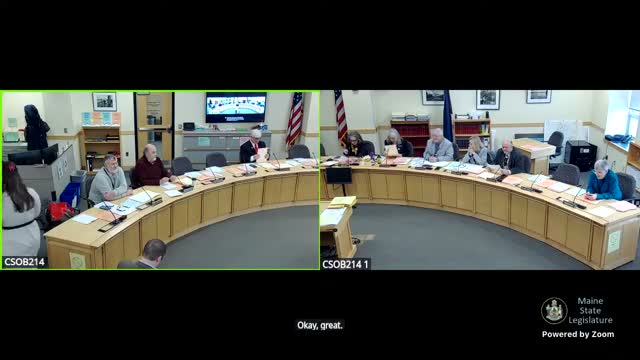
The State and Local Government Committee on Feb. 4 tabled LD 2009 after an extended discussion about how best to address county financial accountability and the wider problem of delayed or missing county audits.
Senator Mary Ann Moore told the committee she no longer believed Title 9 bankruptcy authority was the right path and proposed using the bill to require timely county audits be submitted to the State Auditor’s Office, with a possible enforcement mechanism such as temporary withholding of state funds if audits were not filed and extensions were not granted for good cause.
State Auditor Matt Dunlap (on Zoom) described a nationwide decline in audit capacity and explained current practice: counties are required by law to have audits and to submit them to the auditor’s office, but the office’s role has been largely posting those audits, not enforcing submission. He said audits are sometimes submitted 6–12 months late and that in rare cases an audit can be adverse, meaning financial statements cannot be relied upon. Dunlap recommended a notification mechanism to the state controller if audits are delinquent and said the decision about withholding funds would be better made by the executive branch rather than the auditor’s office.
Jim Cohen, legislative counsel for the Maine County Commissioners Association, warned that attaching financial penalties could ultimately harm taxpayers and county services — for example, counties rely heavily on state contributions for jail funding — and urged a cautious approach, suggesting counties would prefer incentives or assistance rather than punitive measures.
After discussion, the committee moved to table LD 2009 to allow Senator Moore, the auditor’s office, county representatives and staff to draft specific amendment language and consider implementation details. Staff were asked to coordinate stakeholder meetings and draft potential amendment language for a future work session.
What happens next: LD 2009 remains tabled while the sponsor and stakeholders develop clearer language on audit timelines, waiver/extension processes, and enforcement pathways.
Senator Mary Ann Moore told the committee she no longer believed Title 9 bankruptcy authority was the right path and proposed using the bill to require timely county audits be submitted to the State Auditor’s Office, with a possible enforcement mechanism such as temporary withholding of state funds if audits were not filed and extensions were not granted for good cause.
State Auditor Matt Dunlap (on Zoom) described a nationwide decline in audit capacity and explained current practice: counties are required by law to have audits and to submit them to the auditor’s office, but the office’s role has been largely posting those audits, not enforcing submission. He said audits are sometimes submitted 6–12 months late and that in rare cases an audit can be adverse, meaning financial statements cannot be relied upon. Dunlap recommended a notification mechanism to the state controller if audits are delinquent and said the decision about withholding funds would be better made by the executive branch rather than the auditor’s office.
Jim Cohen, legislative counsel for the Maine County Commissioners Association, warned that attaching financial penalties could ultimately harm taxpayers and county services — for example, counties rely heavily on state contributions for jail funding — and urged a cautious approach, suggesting counties would prefer incentives or assistance rather than punitive measures.
After discussion, the committee moved to table LD 2009 to allow Senator Moore, the auditor’s office, county representatives and staff to draft specific amendment language and consider implementation details. Staff were asked to coordinate stakeholder meetings and draft potential amendment language for a future work session.
What happens next: LD 2009 remains tabled while the sponsor and stakeholders develop clearer language on audit timelines, waiver/extension processes, and enforcement pathways.
View the Full Meeting & All Its Details
This article offers just a summary. Unlock complete video, transcripts, and insights as a Founder Member.
✓
Watch full, unedited meeting videos
✓
Search every word spoken in unlimited transcripts
✓
AI summaries & real-time alerts (all government levels)
✓
Permanent access to expanding government content
30-day money-back guarantee
