Committee endorses Utah Housing Strategic Plan in nonbinding resolution, 5–2
February 03, 2026 | 2026 Utah Legislature, Utah Legislature, Utah Legislative Branch, Utah
This article was created by AI summarizing key points discussed. AI makes mistakes, so for full details and context, please refer to the video of the full meeting. Please report any errors so we can fix them. Report an error »
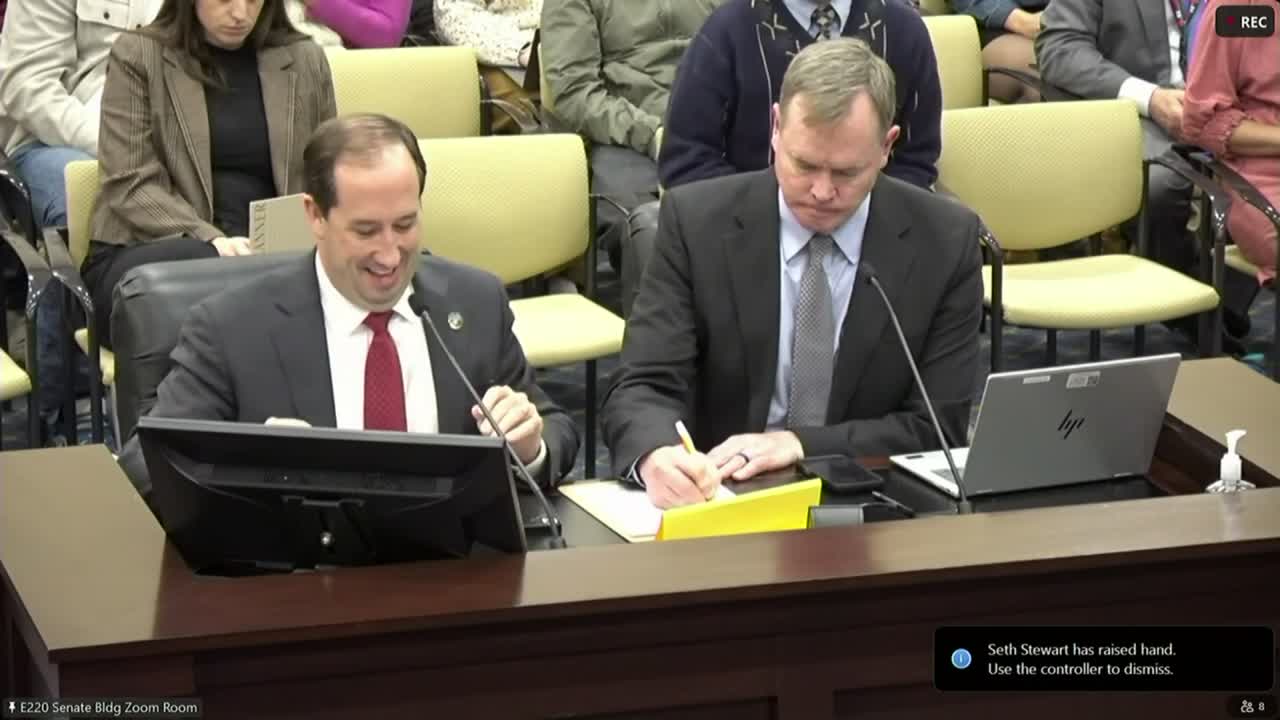
Salt Lake City — The House Political Subdivisions Committee on Jan. 29 voted 5–2 to pass HCR 6 (sub 1), a concurrent resolution that recognizes and supports the Utah Housing Strategic Plan developed by the Governor's Office of Planning and Budget and statewide stakeholders.
Representative White, sponsor of the resolution, described the plan as the product of a multi-year, multi-stakeholder effort that will set goals, metrics and a framework for state and local cooperation on housing attainability. Steve Waldrop, the governor’s senior advisor for housing strategy (presenting remotely), framed the plan as a dynamic roadmap designed to be updated and tracked annually.
Cameron Dills, director of the Utah League of Cities and Towns, told the committee the league contributed extensive feedback and that city leaders participated in dozens of meetings during plan development. Supporters from the housing and development sector — including the Utah Association of Realtors — said the plan is a platform to pursue bipartisan implementation and reforms.
Opponents and cautious witnesses urged restraint. Christie Henshaw, representing the Utah County Republican Party, argued for a pause and additional data review and questioned whether state-level coordination might infringe on local land-use authority. Other public commenters raised constitutional and philosophical objections to centralization and urged local control.
Representative Walter and others said the plan focuses primarily on supply-side measures and acknowledged concerns about demand-side drivers. After discussion, the committee passed the resolution with a favorable recommendation; Representatives Koehler and Hansen voted no. Because HCR 6 is nonbinding, supporters said it primarily signals legislative support for continued collaboration and accountability in plan implementation.
Next steps: The resolution advances with the committee recommendation; future implementing bills were mentioned as possible follow-ups during floor consideration.
Representative White, sponsor of the resolution, described the plan as the product of a multi-year, multi-stakeholder effort that will set goals, metrics and a framework for state and local cooperation on housing attainability. Steve Waldrop, the governor’s senior advisor for housing strategy (presenting remotely), framed the plan as a dynamic roadmap designed to be updated and tracked annually.
Cameron Dills, director of the Utah League of Cities and Towns, told the committee the league contributed extensive feedback and that city leaders participated in dozens of meetings during plan development. Supporters from the housing and development sector — including the Utah Association of Realtors — said the plan is a platform to pursue bipartisan implementation and reforms.
Opponents and cautious witnesses urged restraint. Christie Henshaw, representing the Utah County Republican Party, argued for a pause and additional data review and questioned whether state-level coordination might infringe on local land-use authority. Other public commenters raised constitutional and philosophical objections to centralization and urged local control.
Representative Walter and others said the plan focuses primarily on supply-side measures and acknowledged concerns about demand-side drivers. After discussion, the committee passed the resolution with a favorable recommendation; Representatives Koehler and Hansen voted no. Because HCR 6 is nonbinding, supporters said it primarily signals legislative support for continued collaboration and accountability in plan implementation.
Next steps: The resolution advances with the committee recommendation; future implementing bills were mentioned as possible follow-ups during floor consideration.
Don't Miss a Word: See the Full Meeting!
Go beyond summaries. Unlock every video, transcript, and key insight with a Founder Membership.
✓
Get instant access to full meeting videos
✓
Search and clip any phrase from complete transcripts
✓
Receive AI-powered summaries & custom alerts
✓
Enjoy lifetime, unrestricted access to government data
30-day money-back guarantee
