Englewood planners begin study of conservation overlay districts, urge high bar for use
February 04, 2026 | Englewood City, Arapahoe County, Colorado
This article was created by AI summarizing key points discussed. AI makes mistakes, so for full details and context, please refer to the video of the full meeting. Please report any errors so we can fix them. Report an error »
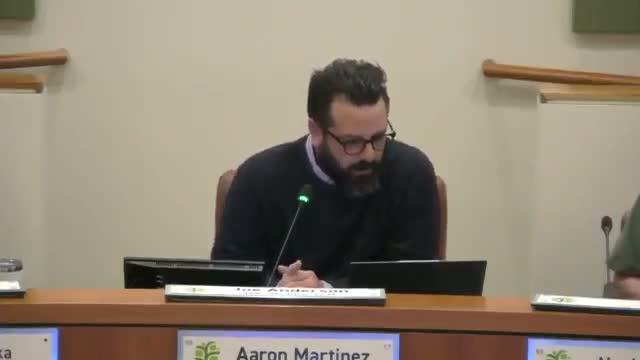
The Englewood Planning & Zoning Commission opened a study session on Case 2025-018 on Feb. 3 to gather feedback on conservation overlay districts, a proposed zoning tool to preserve neighborhood character.
Staff planner Brian told commissioners the idea was prompted by neighborhood interest in Arapahoe Acres and a council request in District 2; the goal is to recommend criteria and process to City Council, not to adopt specific design standards. "What we're here for tonight is to talk to you all and kinda gather some input from you on what council should be thinking about as they go through this process of setting criteria for these types of districts," Brian said.
A conservation overlay, staff explained, typically regulates the form of new construction—height, setbacks, porches and siding—to ensure new buildings fit existing neighborhood character. Unlike many historic designations, the conservation overlay generally does not prohibit demolition; instead, it sets design standards for new work. Brian told the commission the change would be a Title 16 text amendment and a zoning map amendment and that the adoption process could take several months to a year before any permit in such a district would be affected.
Commissioners focused on three core issues: who can initiate a designation, minimum-area thresholds to qualify, and safeguards to prevent the tool from being "weaponized" by a small minority to block projects. Commissioner Hapka warned the tool could be misused: "I think those are very good points because this could be weaponized," she said, urging strict thresholds. Several commissioners recommended a high bar—large area minimums, a high percentage of property-owner support (examples discussed ranged from about 60–75 percent in other cities), and multiple neighborhood meetings—before an overlay could proceed.
The commission also pressed staff on how overlays would interact with existing zoning and state law. Staff noted overlays should not be used to prohibit land uses already allowed by base zoning. "First state law would prohibit that now," Brian said, explaining that where accessory dwelling units (ADUs) are allowed by zoning and state law, an overlay should not be used to eliminate that permission.
Commissioners debated trade-offs between preserving architectural character and the city’s housing goals, with some members warning that overly restrictive design standards could reduce opportunities for ADUs or lot subdivision in areas where the city seeks to add housing. Others argued that well-scoped standards can protect character while allowing additions and modest changes.
Brian said the city recently obtained Certified Local Government status, which enables some grant opportunities for historic work, and reiterated that staff will return with draft criteria and suggested procedures. The commission did not take any formal votes on overlay rules; the meeting concluded with general agreement that the concept merits further study but should be rare, difficult to adopt, and include clear procedural safeguards.
Next steps: staff will draft recommended Title 16 language and procedural gates for Council and return to the commission and the Historic Preservation Commission for further input.
Staff planner Brian told commissioners the idea was prompted by neighborhood interest in Arapahoe Acres and a council request in District 2; the goal is to recommend criteria and process to City Council, not to adopt specific design standards. "What we're here for tonight is to talk to you all and kinda gather some input from you on what council should be thinking about as they go through this process of setting criteria for these types of districts," Brian said.
A conservation overlay, staff explained, typically regulates the form of new construction—height, setbacks, porches and siding—to ensure new buildings fit existing neighborhood character. Unlike many historic designations, the conservation overlay generally does not prohibit demolition; instead, it sets design standards for new work. Brian told the commission the change would be a Title 16 text amendment and a zoning map amendment and that the adoption process could take several months to a year before any permit in such a district would be affected.
Commissioners focused on three core issues: who can initiate a designation, minimum-area thresholds to qualify, and safeguards to prevent the tool from being "weaponized" by a small minority to block projects. Commissioner Hapka warned the tool could be misused: "I think those are very good points because this could be weaponized," she said, urging strict thresholds. Several commissioners recommended a high bar—large area minimums, a high percentage of property-owner support (examples discussed ranged from about 60–75 percent in other cities), and multiple neighborhood meetings—before an overlay could proceed.
The commission also pressed staff on how overlays would interact with existing zoning and state law. Staff noted overlays should not be used to prohibit land uses already allowed by base zoning. "First state law would prohibit that now," Brian said, explaining that where accessory dwelling units (ADUs) are allowed by zoning and state law, an overlay should not be used to eliminate that permission.
Commissioners debated trade-offs between preserving architectural character and the city’s housing goals, with some members warning that overly restrictive design standards could reduce opportunities for ADUs or lot subdivision in areas where the city seeks to add housing. Others argued that well-scoped standards can protect character while allowing additions and modest changes.
Brian said the city recently obtained Certified Local Government status, which enables some grant opportunities for historic work, and reiterated that staff will return with draft criteria and suggested procedures. The commission did not take any formal votes on overlay rules; the meeting concluded with general agreement that the concept merits further study but should be rare, difficult to adopt, and include clear procedural safeguards.
Next steps: staff will draft recommended Title 16 language and procedural gates for Council and return to the commission and the Historic Preservation Commission for further input.
View the Full Meeting & All Its Details
This article offers just a summary. Unlock complete video, transcripts, and insights as a Founder Member.
✓
Watch full, unedited meeting videos
✓
Search every word spoken in unlimited transcripts
✓
AI summaries & real-time alerts (all government levels)
✓
Permanent access to expanding government content
30-day money-back guarantee
