Poquoson EDA reviews proposed comp-plan language for north side of Victory Boulevard
February 04, 2026 | Poquoson City, Virginia
This article was created by AI summarizing key points discussed. AI makes mistakes, so for full details and context, please refer to the video of the full meeting. Please report any errors so we can fix them. Report an error »
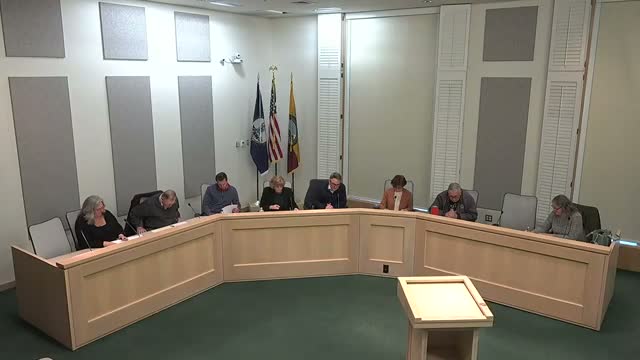
At the February meeting of the Poquoson Economic Development Authority, staff briefed board members on a planning commission and city council discussion about changes to the city’s comprehensive plan for the north side of Victory Boulevard. The briefing focused on proposed future-land-use language that would show some adjacent research-and-development parcels as general commercial, a change staff said would be reflected in the future land-use map rather than an immediate rezoning.
Unidentified Speaker 5, a staff member addressing the board, said, "The discussion led to a little bit of language change into our comprehensive plan," and emphasized that showing property as general commercial on the future land-use map does not itself rezone the land. "That doesn't mean they're doing a rezoning currently for the property," the staff member said, noting any rezoning would come later after additional outreach to property owners.
Board members discussed how the EDA's holdings fit into broader planning goals. "We own six parcels," said Unidentified Speaker 3, identifying the number of EDA-owned lots under discussion. Members weighed keeping parcels as green space or parks against the potential tax revenue from commercial development. One board member summarized the trade-off in practical terms: parkland and sidewalks cost money to build and maintain, and commercial development can generate tax revenue to fund those amenities.
The staff presentation and ensuing discussion also touched on fiscal constraints facing the city. Unidentified Speaker 5 described budgetary pressure related to exemptions under the disabled-veterans tax program and stated an approximate revenue impact figure: "it's right now at 1,600,000" (as presented to the board). That figure was offered as staff context for constrained local revenues; the meeting did not include independent verification of the amount.
Board members were clear that the comp-plan language change is an early, nonbinding planning step. Staff said city council could provide direction to the planning commission at an upcoming council meeting, and any formal rezoning would require separate procedures and property-owner engagement.
The board did not take formal action on land-use changes at the meeting. Next steps described by staff include continued coordination between council and the planning commission and outreach to affected property owners before any rezoning is proposed.
Unidentified Speaker 5, a staff member addressing the board, said, "The discussion led to a little bit of language change into our comprehensive plan," and emphasized that showing property as general commercial on the future land-use map does not itself rezone the land. "That doesn't mean they're doing a rezoning currently for the property," the staff member said, noting any rezoning would come later after additional outreach to property owners.
Board members discussed how the EDA's holdings fit into broader planning goals. "We own six parcels," said Unidentified Speaker 3, identifying the number of EDA-owned lots under discussion. Members weighed keeping parcels as green space or parks against the potential tax revenue from commercial development. One board member summarized the trade-off in practical terms: parkland and sidewalks cost money to build and maintain, and commercial development can generate tax revenue to fund those amenities.
The staff presentation and ensuing discussion also touched on fiscal constraints facing the city. Unidentified Speaker 5 described budgetary pressure related to exemptions under the disabled-veterans tax program and stated an approximate revenue impact figure: "it's right now at 1,600,000" (as presented to the board). That figure was offered as staff context for constrained local revenues; the meeting did not include independent verification of the amount.
Board members were clear that the comp-plan language change is an early, nonbinding planning step. Staff said city council could provide direction to the planning commission at an upcoming council meeting, and any formal rezoning would require separate procedures and property-owner engagement.
The board did not take formal action on land-use changes at the meeting. Next steps described by staff include continued coordination between council and the planning commission and outreach to affected property owners before any rezoning is proposed.
Don't Miss a Word: See the Full Meeting!
Go beyond summaries. Unlock every video, transcript, and key insight with a Founder Membership.
✓
Get instant access to full meeting videos
✓
Search and clip any phrase from complete transcripts
✓
Receive AI-powered summaries & custom alerts
✓
Enjoy lifetime, unrestricted access to government data
30-day money-back guarantee
