NH committee hears HB 1671 to bar Medicaid payments to facilities that deny lawful vaccine exemptions
February 04, 2026 | Judiciary, House of Representatives, Committees , Legislative, New Hampshire
This article was created by AI summarizing key points discussed. AI makes mistakes, so for full details and context, please refer to the video of the full meeting. Please report any errors so we can fix them. Report an error »
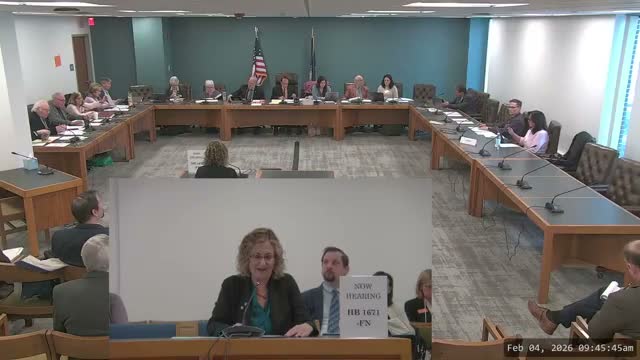
Representative Linda McGrath introduced House Bill 16-71, saying the measure would bar the state from using Medicaid dollars to support facilities that “discriminate against employees, students, or trainees for exercising their lawful medical or religious vaccine exemptions.” She told the committee she brought the bill after personal experience and widespread reports that clinical rotation sites and some employers refused to honor exemptions during the COVID period.
McGrath framed HB 16-71 as protecting civil rights and stabilizing the health‑care workforce. She cited the Americans with Disabilities Act and Title VII accommodation principles and said the bill would align state Medicaid policy with those federal protections. "No provider is going to risk losing eligibility to Medicaid reimbursement by knowingly engaging in unlawful discrimination," she said in opening remarks.
Committee members pressed on scope and enforceability. Representative Lucy Webber and others warned HB 16-71 could put medically fragile patients at risk if a facility lost Medicaid payments and closed; Webber asked what would happen to residents of a county nursing home if withholding reimbursement pushed the facility into insolvency. Rob Berry, general counsel to the Division of Medicaid, told the committee the Department of Health and Human Services would face practical hurdles: the bill lacks a legal standard for investigations, rulemaking authority and a process for providers to regain payments. "This bill is mixing civil rights law with Medicaid law," Berry said, noting suspension of payment typically relates to fraud or license loss.
Supporters and opponents also described workforce impacts. Melissa Blazic and several students and trainees told the committee they had been unable to complete clinical rotations because sites would not honor COVID exemptions; others, including health‑system witnesses, said hospitals now accommodate exemptions through masking and other measures. Questions from members focused on whether the bill would allow an employee with a religious objection to refuse to administer vaccines to patients—a scenario McGrath said she had not fully considered and would seek legal advice on.
After testimony and questions, Representative Smith moved that HB 16-71 be referred for interim study; the committee approved that motion by recorded voice: 15 yays, 0 nays. The interim‑study recommendation preserves further review and gives staff and counsel time to reconcile enforcement and patient‑safety concerns.
McGrath framed HB 16-71 as protecting civil rights and stabilizing the health‑care workforce. She cited the Americans with Disabilities Act and Title VII accommodation principles and said the bill would align state Medicaid policy with those federal protections. "No provider is going to risk losing eligibility to Medicaid reimbursement by knowingly engaging in unlawful discrimination," she said in opening remarks.
Committee members pressed on scope and enforceability. Representative Lucy Webber and others warned HB 16-71 could put medically fragile patients at risk if a facility lost Medicaid payments and closed; Webber asked what would happen to residents of a county nursing home if withholding reimbursement pushed the facility into insolvency. Rob Berry, general counsel to the Division of Medicaid, told the committee the Department of Health and Human Services would face practical hurdles: the bill lacks a legal standard for investigations, rulemaking authority and a process for providers to regain payments. "This bill is mixing civil rights law with Medicaid law," Berry said, noting suspension of payment typically relates to fraud or license loss.
Supporters and opponents also described workforce impacts. Melissa Blazic and several students and trainees told the committee they had been unable to complete clinical rotations because sites would not honor COVID exemptions; others, including health‑system witnesses, said hospitals now accommodate exemptions through masking and other measures. Questions from members focused on whether the bill would allow an employee with a religious objection to refuse to administer vaccines to patients—a scenario McGrath said she had not fully considered and would seek legal advice on.
After testimony and questions, Representative Smith moved that HB 16-71 be referred for interim study; the committee approved that motion by recorded voice: 15 yays, 0 nays. The interim‑study recommendation preserves further review and gives staff and counsel time to reconcile enforcement and patient‑safety concerns.
Don't Miss a Word: See the Full Meeting!
Go beyond summaries. Unlock every video, transcript, and key insight with a Founder Membership.
✓
Get instant access to full meeting videos
✓
Search and clip any phrase from complete transcripts
✓
Receive AI-powered summaries & custom alerts
✓
Enjoy lifetime, unrestricted access to government data
30-day money-back guarantee
