Legislative panel hears competing views on CACR 23 to create oversight commission for judiciary
February 04, 2026 | Judiciary, House of Representatives, Committees , Legislative, New Hampshire
This article was created by AI summarizing key points discussed. AI makes mistakes, so for full details and context, please refer to the video of the full meeting. Please report any errors so we can fix them. Report an error »
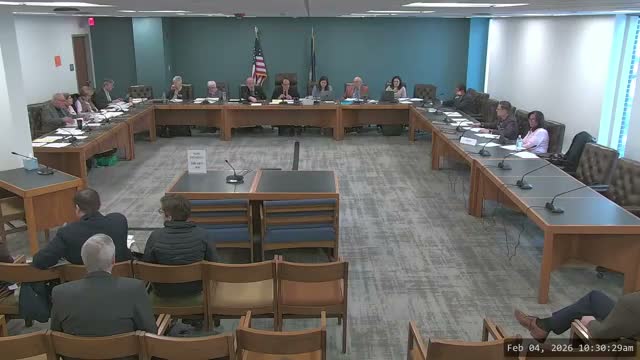
Representative Susan DeRoy told the committee CACR 23 would form a legislative commission to investigate patterns of maladministration, bias or ignored evidence in family cases and recommend whether the legislature should pursue impeachment or other discipline. DeRoy said the existing processes leave citizens feeling unheard and described a nine‑member panel she proposes that would include legislative and public members.
Opponents including Deputy General Counsel Lauren Warner of the judicial branch and representatives of the Nonpartisan League of Women Voters told the committee that the Judicial Conduct Committee and existing impeachment powers already provide investigatory channels and cautioned that creating a parallel, legislature‑run commission risks infringing separation‑of‑powers and exposing confidential case records. Warner noted some case types are statutorily confidential and flagged public‑hearing and report language in CACR 23 that could conflict with those protections.
Witnesses for reform—former litigants and lawmakers—said family court complaints often go unaddressed and urged stronger, transparent mechanisms. Testimony cited past incidents and court controversies as evidence the current system has gaps. The committee discussed constitutionality and procedural safeguards; Representative Dana Albrecht and others urged narrowly tailored language if the body wants to revisit the issue.
On balance, committee members debated legal limits on any legislative investigatory scheme and the proper forum for redress. The committee recorded motions and votes on related judicial bills during the day; members later moved to send CACR-style measures for further study or without recommendation on several items to allow additional drafting and constitutional review.
Opponents including Deputy General Counsel Lauren Warner of the judicial branch and representatives of the Nonpartisan League of Women Voters told the committee that the Judicial Conduct Committee and existing impeachment powers already provide investigatory channels and cautioned that creating a parallel, legislature‑run commission risks infringing separation‑of‑powers and exposing confidential case records. Warner noted some case types are statutorily confidential and flagged public‑hearing and report language in CACR 23 that could conflict with those protections.
Witnesses for reform—former litigants and lawmakers—said family court complaints often go unaddressed and urged stronger, transparent mechanisms. Testimony cited past incidents and court controversies as evidence the current system has gaps. The committee discussed constitutionality and procedural safeguards; Representative Dana Albrecht and others urged narrowly tailored language if the body wants to revisit the issue.
On balance, committee members debated legal limits on any legislative investigatory scheme and the proper forum for redress. The committee recorded motions and votes on related judicial bills during the day; members later moved to send CACR-style measures for further study or without recommendation on several items to allow additional drafting and constitutional review.
Don't Miss a Word: See the Full Meeting!
Go beyond summaries. Unlock every video, transcript, and key insight with a Founder Membership.
✓
Get instant access to full meeting videos
✓
Search and clip any phrase from complete transcripts
✓
Receive AI-powered summaries & custom alerts
✓
Enjoy lifetime, unrestricted access to government data
30-day money-back guarantee
