Parents and plaintiff lawyers press bill to expand municipal liability caps; municipalities urge caution
February 04, 2026 | Judiciary, House of Representatives, Committees , Legislative, New Hampshire
This article was created by AI summarizing key points discussed. AI makes mistakes, so for full details and context, please refer to the video of the full meeting. Please report any errors so we can fix them. Report an error »
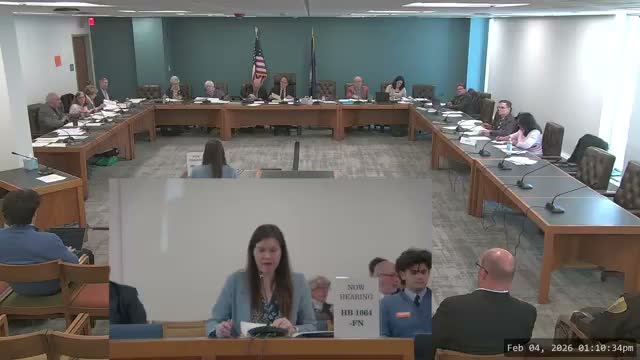
Representative Caitlin Couto, sponsor of HB 10‑64, told the committee the bill would align political‑subdivision liability with state law and expand indemnification for employees who act within the scope of their duties and are not reckless. She framed the change as necessary after an Exeter student suffered catastrophic injuries while working on a barn during a career‑technology program; the family said current caps would not cover likely lifelong care costs.
Supporters, including the student’s mother and plaintiff attorneys, said the existing statutory framework leaves severely injured victims without adequate recovery even when negligence is clear. "By protecting our government entities, the existing law shifts this immense financial burden from the responsible party onto individuals and families already shaken by tragedy," Representative Gabby Grossman said.
Opponents warned of unintended consequences. The New Hampshire Municipal Association, the Police Association and the School Boards Association cautioned the bill would expand liability exposure across towns, prompt defensive policy choices that could close library or playground access, increase insurance premiums and drive up property taxes. Police and sheriff witnesses also flagged recruitment, training and operational concerns.
Legal commenters urged careful drafting, noting the bill would change long‑standing immunities and that courts would have to interpret several new terms. Committee members requested fiscal detail and asked stakeholders to propose narrowly tailored language if they want to preserve public access while ensuring fair compensation for catastrophic injury.
No final committee vote was recorded during the hearing; members said the bill raised significant policy and fiscal questions that require further review.
Supporters, including the student’s mother and plaintiff attorneys, said the existing statutory framework leaves severely injured victims without adequate recovery even when negligence is clear. "By protecting our government entities, the existing law shifts this immense financial burden from the responsible party onto individuals and families already shaken by tragedy," Representative Gabby Grossman said.
Opponents warned of unintended consequences. The New Hampshire Municipal Association, the Police Association and the School Boards Association cautioned the bill would expand liability exposure across towns, prompt defensive policy choices that could close library or playground access, increase insurance premiums and drive up property taxes. Police and sheriff witnesses also flagged recruitment, training and operational concerns.
Legal commenters urged careful drafting, noting the bill would change long‑standing immunities and that courts would have to interpret several new terms. Committee members requested fiscal detail and asked stakeholders to propose narrowly tailored language if they want to preserve public access while ensuring fair compensation for catastrophic injury.
No final committee vote was recorded during the hearing; members said the bill raised significant policy and fiscal questions that require further review.
View the Full Meeting & All Its Details
This article offers just a summary. Unlock complete video, transcripts, and insights as a Founder Member.
✓
Watch full, unedited meeting videos
✓
Search every word spoken in unlimited transcripts
✓
AI summaries & real-time alerts (all government levels)
✓
Permanent access to expanding government content
30-day money-back guarantee
