Bill to stop withdrawals to homeschool during abuse probes sparks heated debate
February 03, 2026 | 2026 Legislature NE, Nebraska
This article was created by AI summarizing key points discussed. AI makes mistakes, so for full details and context, please refer to the video of the full meeting. Please report any errors so we can fix them. Report an error »
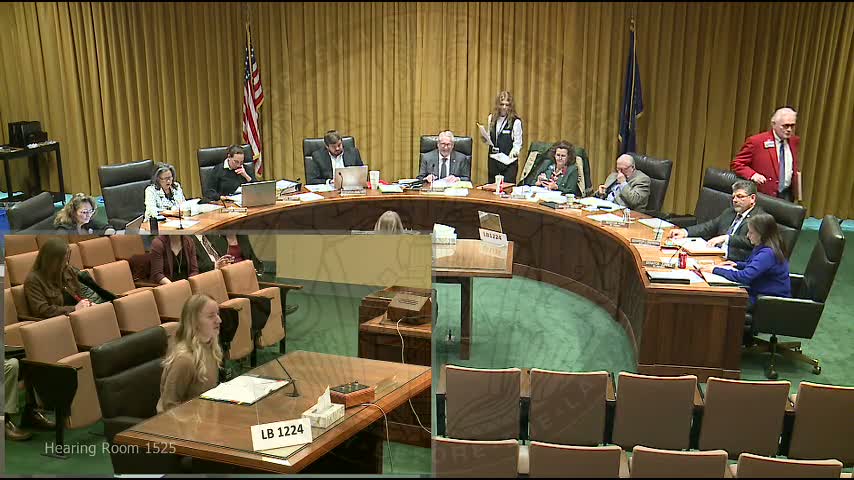
Senator Megan Hunt told the committee LB 12‑24 is narrowly intended to prevent parents under an active, accepted child‑abuse or neglect investigation from withdrawing their child from public school to homeschool while investigators work, and to keep people convicted of certain child abuse crimes from acting as homeschool instructors or supervisors. "This bill is not to stigmatize homeschooling or restrict the rights of parents to educate their children," Hunt said, describing cases nationwide where withdrawal to homeschooling was used to hide abuse.
Proponents included the Coalition for Responsible Home Education, whose director said research and a public database show withdrawal during investigations has appeared in a third of severe abuse cases the group tracked. Tess Ulrey told the committee that the bill would close a loophole exploited in those cases and preserve the protective role of mandatory reporters.
Opponents — including the Nebraska Christian Home Educators Association, HomeSchool Legal Defense Association, large home‑school groups and many individual parents — said the proposal would freeze education choices on the basis of reports (not findings), invite misuse in high‑conflict family disputes, and permanently bar some parents from homeschooling based on past convictions without an appeal or individualized review. David Spolinski of NCHA said most reports are unsubstantiated and argued the bill targets homeschool families unfairly.
Dr. Alyssa Bish of the Department of Health and Human Services testified neutrally, noting the department generally supports keeping children accessible to mandatory reporters during investigations but flagged operational and privacy concerns: notification timing, confidentiality during active intakes, system adjustments and possible burdens if school or law‑enforcement notifications are required before a report is fully assessed.
Committee members probed practical issues — whether DHHS can track children who change schools or cross state lines during an investigation, how long an investigation typically takes, and whether the bill’s bar on certain convicted persons lacks an appeal mechanism. Several members urged further work to narrow language, to add due‑process safeguards and to ensure the bill targets clear, substantiated risks rather than presumptively restricting parents' rights. Senator Hunt said she is willing to consider amendments and stressed the bill’s intent to protect children at risk.
No committee vote was taken; several senators said they wanted more time to reconcile child‑safety goals with concerns about due process and unintended consequences for homeschool families.
Proponents included the Coalition for Responsible Home Education, whose director said research and a public database show withdrawal during investigations has appeared in a third of severe abuse cases the group tracked. Tess Ulrey told the committee that the bill would close a loophole exploited in those cases and preserve the protective role of mandatory reporters.
Opponents — including the Nebraska Christian Home Educators Association, HomeSchool Legal Defense Association, large home‑school groups and many individual parents — said the proposal would freeze education choices on the basis of reports (not findings), invite misuse in high‑conflict family disputes, and permanently bar some parents from homeschooling based on past convictions without an appeal or individualized review. David Spolinski of NCHA said most reports are unsubstantiated and argued the bill targets homeschool families unfairly.
Dr. Alyssa Bish of the Department of Health and Human Services testified neutrally, noting the department generally supports keeping children accessible to mandatory reporters during investigations but flagged operational and privacy concerns: notification timing, confidentiality during active intakes, system adjustments and possible burdens if school or law‑enforcement notifications are required before a report is fully assessed.
Committee members probed practical issues — whether DHHS can track children who change schools or cross state lines during an investigation, how long an investigation typically takes, and whether the bill’s bar on certain convicted persons lacks an appeal mechanism. Several members urged further work to narrow language, to add due‑process safeguards and to ensure the bill targets clear, substantiated risks rather than presumptively restricting parents' rights. Senator Hunt said she is willing to consider amendments and stressed the bill’s intent to protect children at risk.
No committee vote was taken; several senators said they wanted more time to reconcile child‑safety goals with concerns about due process and unintended consequences for homeschool families.
View the Full Meeting & All Its Details
This article offers just a summary. Unlock complete video, transcripts, and insights as a Founder Member.
✓
Watch full, unedited meeting videos
✓
Search every word spoken in unlimited transcripts
✓
AI summaries & real-time alerts (all government levels)
✓
Permanent access to expanding government content
30-day money-back guarantee
