Votes at a glance: Key measures the Florida House passed Feb. 4, 2026
February 04, 2026 | 2026 Legislature FL, Florida
This article was created by AI summarizing key points discussed. AI makes mistakes, so for full details and context, please refer to the video of the full meeting. Please report any errors so we can fix them. Report an error »
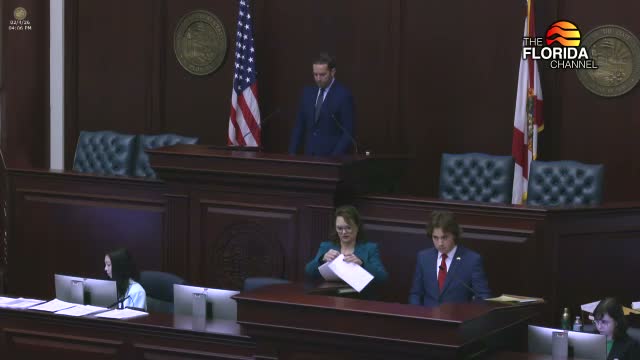
On Feb. 4 the Florida House recorded final passage on multiple bills across education, health, insurance and other policy areas. Below are the floor actions and recorded tallies based on the clerk’s announcements during session:
- CS for HB 967 (electronic payments to units of local government): final passage announced 110 yays, 0 nays. Sponsor: Representative Buchanan.
- HB 127 (required instruction in cursive writing, grades 2–5): final passage announced 111 yays, 0 nays. Sponsor: Representative Overdorf.
- CS for HB 453 (high‑school diploma pathways: Special Olympics and marching band credit): final passage announced 111 yays, 0 nays. Sponsor: Representative Gossett Seidman.
- CS for HB 237 (use of professional nursing titles — APRNs clarifying 'doctor' usage): final passage announced 111 yays, 0 nays. Sponsor: Representative Saltzman.
- CS for HB 363 (dental therapy): final passage announced 80 yays, 29 nays. Sponsor: Representative Cheney.
- HB 375 (autonomous practice by certified registered nurse anesthetists): final passage announced 78 yays, 28 nays. Sponsor: Representative Esposito.
- CS for HB 413 (attorney fees, suit money, and costs): final passage announced 110 yays, 0 nays. Sponsor: Representative Gottlieb.
- CS for HB 429 (criteria for determining criminal gang membership): final passage announced 100 yays, 7 nays. Sponsor: Representative Baker.
- HB 7011 (open government sunset review — aquaculture records exemption): final passage announced 109 yays, 0 nays. Sponsor: Representative Gentry.
- Several uncontested local claims bills (examples): HB 6517 (relief for Sanchez Mayan) — 107 yays, 0 nays; HB 6515 (Latour claim) — 108 yays, 0 nays; multiple other claims and insurance bills recorded with unanimous or near‑unanimous support.
Most of these measures were advanced under motions to waive rules and read bills a third time; sponsors closed debate and the clerk announced recorded votes as shown above. Where debate was extensive (for example HJR 583, HB 363 and HB 429) the chamber reserved structured time for proponents and opponents. Several measures require subsequent rulemaking or administrative steps (for example HB 363’s licensing implementation and progress reports).
- CS for HB 967 (electronic payments to units of local government): final passage announced 110 yays, 0 nays. Sponsor: Representative Buchanan.
- HB 127 (required instruction in cursive writing, grades 2–5): final passage announced 111 yays, 0 nays. Sponsor: Representative Overdorf.
- CS for HB 453 (high‑school diploma pathways: Special Olympics and marching band credit): final passage announced 111 yays, 0 nays. Sponsor: Representative Gossett Seidman.
- CS for HB 237 (use of professional nursing titles — APRNs clarifying 'doctor' usage): final passage announced 111 yays, 0 nays. Sponsor: Representative Saltzman.
- CS for HB 363 (dental therapy): final passage announced 80 yays, 29 nays. Sponsor: Representative Cheney.
- HB 375 (autonomous practice by certified registered nurse anesthetists): final passage announced 78 yays, 28 nays. Sponsor: Representative Esposito.
- CS for HB 413 (attorney fees, suit money, and costs): final passage announced 110 yays, 0 nays. Sponsor: Representative Gottlieb.
- CS for HB 429 (criteria for determining criminal gang membership): final passage announced 100 yays, 7 nays. Sponsor: Representative Baker.
- HB 7011 (open government sunset review — aquaculture records exemption): final passage announced 109 yays, 0 nays. Sponsor: Representative Gentry.
- Several uncontested local claims bills (examples): HB 6517 (relief for Sanchez Mayan) — 107 yays, 0 nays; HB 6515 (Latour claim) — 108 yays, 0 nays; multiple other claims and insurance bills recorded with unanimous or near‑unanimous support.
Most of these measures were advanced under motions to waive rules and read bills a third time; sponsors closed debate and the clerk announced recorded votes as shown above. Where debate was extensive (for example HJR 583, HB 363 and HB 429) the chamber reserved structured time for proponents and opponents. Several measures require subsequent rulemaking or administrative steps (for example HB 363’s licensing implementation and progress reports).
View the Full Meeting & All Its Details
This article offers just a summary. Unlock complete video, transcripts, and insights as a Founder Member.
✓
Watch full, unedited meeting videos
✓
Search every word spoken in unlimited transcripts
✓
AI summaries & real-time alerts (all government levels)
✓
Permanent access to expanding government content
30-day money-back guarantee
