Local speaker recalls 1949 Webb case that challenged school segregation in Johnson County
February 04, 2026 | Planning Commission, Johnson County, Kansas
This article was created by AI summarizing key points discussed. AI makes mistakes, so for full details and context, please refer to the video of the full meeting. Please report any errors so we can fix them. Report an error »
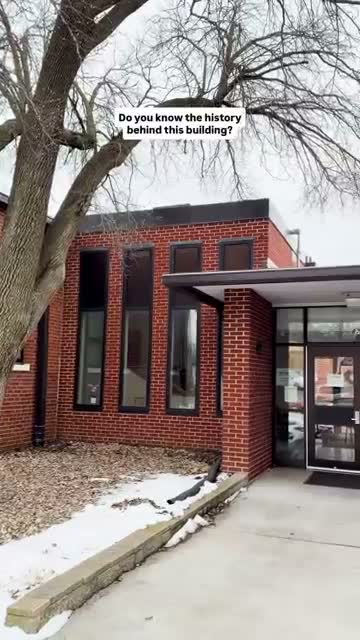
An unidentified speaker (labeled "Speaker 1" in the transcript) told a meeting that a new school built in 1948 with public funds was designated "for white children only," prompting local families to organize a prolonged protest that led to a legal challenge.
The speaker said 39 students, their families and teachers launched a year-long boycott, holding classes in living rooms and churches while pursuing the case that became Webb v. School District No. 90. "The Kansas Supreme Court ruled that the district's actions were illegal," the speaker said, describing the judicial outcome that followed the community's protest.
The account positioned the Webb case as an earlier rights victory, occurring "five years before Brown v. Board of Education," and used that context to underscore the local significance of the challenge. The speaker quoted teacher Corinthian Netter: "Schools shouldn't be for a color, they should be for children," framing the boycott as both a moral and legal response to segregation.
The speaker also described the conditions that Black students faced at the Walker School, saying it had "no indoor plumbing, limited lighting, and used cast off textbooks," and contrasted that with the new 1948 school built with tax dollars for white children. The speaker concluded by saying the physical school is gone but "the legacy of justice remains right here in Johnson County."
The remarks in the transcript are a recitation of local history and legal outcomes; the speaker did not identify themselves by name in the record. The account cites the Webb case and the Kansas Supreme Court ruling as the legal resolution reported by the speaker.
The speaker said 39 students, their families and teachers launched a year-long boycott, holding classes in living rooms and churches while pursuing the case that became Webb v. School District No. 90. "The Kansas Supreme Court ruled that the district's actions were illegal," the speaker said, describing the judicial outcome that followed the community's protest.
The account positioned the Webb case as an earlier rights victory, occurring "five years before Brown v. Board of Education," and used that context to underscore the local significance of the challenge. The speaker quoted teacher Corinthian Netter: "Schools shouldn't be for a color, they should be for children," framing the boycott as both a moral and legal response to segregation.
The speaker also described the conditions that Black students faced at the Walker School, saying it had "no indoor plumbing, limited lighting, and used cast off textbooks," and contrasted that with the new 1948 school built with tax dollars for white children. The speaker concluded by saying the physical school is gone but "the legacy of justice remains right here in Johnson County."
The remarks in the transcript are a recitation of local history and legal outcomes; the speaker did not identify themselves by name in the record. The account cites the Webb case and the Kansas Supreme Court ruling as the legal resolution reported by the speaker.
View the Full Meeting & All Its Details
This article offers just a summary. Unlock complete video, transcripts, and insights as a Founder Member.
✓
Watch full, unedited meeting videos
✓
Search every word spoken in unlimited transcripts
✓
AI summaries & real-time alerts (all government levels)
✓
Permanent access to expanding government content
30-day money-back guarantee
