VSAC seeks more nursing forgivable loans as demand outstrips Global Commitment funding; warns rural health grant timeline is tight
February 04, 2026 | Appropriations, HOUSE OF REPRESENTATIVES, Committees, Legislative , Vermont
This article was created by AI summarizing key points discussed. AI makes mistakes, so for full details and context, please refer to the video of the full meeting. Please report any errors so we can fix them. Report an error »
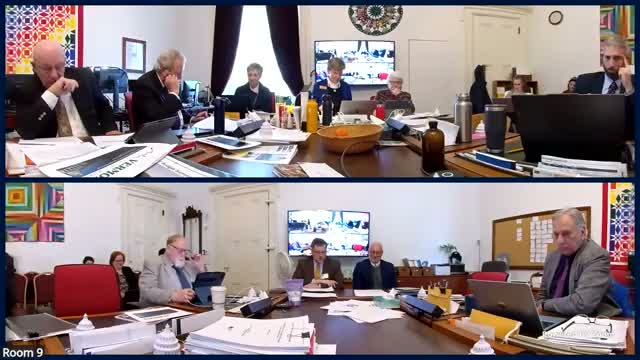
At a Feb. 3 hearing before the House Appropriations Committee, Scott Giles and Patrick LeDuc of the Vermont Student Assistance Corporation described growing demand for nursing forgivable loans and warned that a large rural health transformation grant has strict timing that will require quick program design and rollout.
Funding need and scale: Giles said VSAC historically funded a nursing forgivable-loan program with Global Commitment dollars and that last year VSAC received $3.2 million for the program. He told the committee that demand greatly exceeded available funding "—we could have awarded an additional $5,000,000 had we added"—and that VSAC requested an additional $2,000,000 from the governor to increase awards. In committee follow-up, Patrick LeDuc said VSAC funded 176 nursing recipients last academic year and that about 90% of participants historically fulfill the service obligation that converts awards to forgivable status.
Committee questions: Members asked for historical data showing how many participants completed the service commitment and how many stayed in Vermont beyond their required residency. Giles and LeDuc agreed to provide the committee with historical counts and additional written information about program outcomes.
Rural health transformation grant timeline: Giles emphasized coordination with the Agency of Human Services (AHS) to design workforce programs eligible for the rural health transformation funding and cautioned there is a "use-it-or-lose-it" requirement for some grant dollars. He said VSAC and AHS must be ready to obligate funds quickly and that awards might need to be made in an April–May timeframe to influence student decisions for the coming academic year. Committee members expressed concern and asked for comparative spreadsheets showing what might be lost in the state budget versus what the grant would fund.
What comes next: The Joint Fiscal Committee is scheduled to consider acceptance of the rural health transformation grant later in the week; members indicated they want reporting and oversight on how the roughly $195 million is used and what outcomes result.
Funding need and scale: Giles said VSAC historically funded a nursing forgivable-loan program with Global Commitment dollars and that last year VSAC received $3.2 million for the program. He told the committee that demand greatly exceeded available funding "—we could have awarded an additional $5,000,000 had we added"—and that VSAC requested an additional $2,000,000 from the governor to increase awards. In committee follow-up, Patrick LeDuc said VSAC funded 176 nursing recipients last academic year and that about 90% of participants historically fulfill the service obligation that converts awards to forgivable status.
Committee questions: Members asked for historical data showing how many participants completed the service commitment and how many stayed in Vermont beyond their required residency. Giles and LeDuc agreed to provide the committee with historical counts and additional written information about program outcomes.
Rural health transformation grant timeline: Giles emphasized coordination with the Agency of Human Services (AHS) to design workforce programs eligible for the rural health transformation funding and cautioned there is a "use-it-or-lose-it" requirement for some grant dollars. He said VSAC and AHS must be ready to obligate funds quickly and that awards might need to be made in an April–May timeframe to influence student decisions for the coming academic year. Committee members expressed concern and asked for comparative spreadsheets showing what might be lost in the state budget versus what the grant would fund.
What comes next: The Joint Fiscal Committee is scheduled to consider acceptance of the rural health transformation grant later in the week; members indicated they want reporting and oversight on how the roughly $195 million is used and what outcomes result.
Don't Miss a Word: See the Full Meeting!
Go beyond summaries. Unlock every video, transcript, and key insight with a Founder Membership.
✓
Get instant access to full meeting videos
✓
Search and clip any phrase from complete transcripts
✓
Receive AI-powered summaries & custom alerts
✓
Enjoy lifetime, unrestricted access to government data
30-day money-back guarantee
