Gonzaga Climate Institute and partners present Spokane Community Resilience Action Plan for heat and wildfire smoke
February 03, 2026 | Spokane, Spokane County, Washington
This article was created by AI summarizing key points discussed. AI makes mistakes, so for full details and context, please refer to the video of the full meeting. Please report any errors so we can fix them. Report an error »
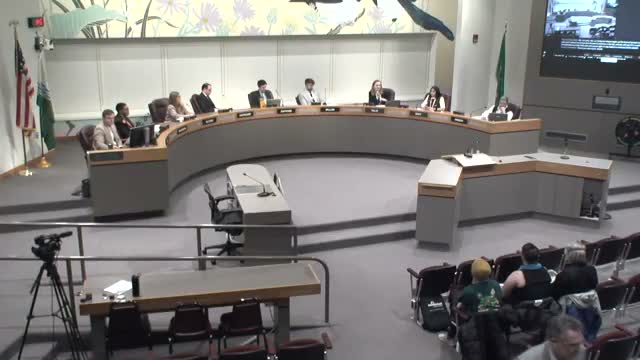
Dante Jester of the Gonzaga Climate Institute presented the Spokane Community Resilience Action Plan, a community‑derived effort to prepare for extreme heat and wildfire smoke.
Jester said the plan grew from 2021 heat‑dome lessons and community engagement across Spokane, noting research showing a more than 350% increase in poor‑air‑quality days (AQI>100) since 2015, according to Spokane Regional Clean Air Agency data. The collaborative’s version 2 will combine heat and smoke planning, add accountable actors, set metrics and timelines for each action, and create an annual check‑in process with participating organizations.
Community feedback emphasized nature‑based solutions (more urban trees), accessible materials in multiple languages, home weatherization assistance, and trusted public spaces (libraries and community centers) prepared as cooling/smoke shelters. The plan also includes a research category for longer‑term ideas such as ventilation corridors and infrastructure studies.
Jester said the collaborative has already engaged 16 community organizations in recent outreach and will continue to refine the plan for a June release of version 2. Council members asked about accountability metrics and which organizations would carry them out; Jester said the Climate Institute will support coordination and grant writing to secure implementation funding.
No formal action was taken; staff noted follow‑up on integrating plan actions into city policy and public education programming.
Jester said the plan grew from 2021 heat‑dome lessons and community engagement across Spokane, noting research showing a more than 350% increase in poor‑air‑quality days (AQI>100) since 2015, according to Spokane Regional Clean Air Agency data. The collaborative’s version 2 will combine heat and smoke planning, add accountable actors, set metrics and timelines for each action, and create an annual check‑in process with participating organizations.
Community feedback emphasized nature‑based solutions (more urban trees), accessible materials in multiple languages, home weatherization assistance, and trusted public spaces (libraries and community centers) prepared as cooling/smoke shelters. The plan also includes a research category for longer‑term ideas such as ventilation corridors and infrastructure studies.
Jester said the collaborative has already engaged 16 community organizations in recent outreach and will continue to refine the plan for a June release of version 2. Council members asked about accountability metrics and which organizations would carry them out; Jester said the Climate Institute will support coordination and grant writing to secure implementation funding.
No formal action was taken; staff noted follow‑up on integrating plan actions into city policy and public education programming.
View the Full Meeting & All Its Details
This article offers just a summary. Unlock complete video, transcripts, and insights as a Founder Member.
✓
Watch full, unedited meeting videos
✓
Search every word spoken in unlimited transcripts
✓
AI summaries & real-time alerts (all government levels)
✓
Permanent access to expanding government content
30-day money-back guarantee
