Florida subcommittee advances bill empowering attorney general to enforce ban on gender-affirming care for minors
February 03, 2026 | 2026 Legislature FL, Florida
This article was created by AI summarizing key points discussed. AI makes mistakes, so for full details and context, please refer to the video of the full meeting. Please report any errors so we can fix them. Report an error »
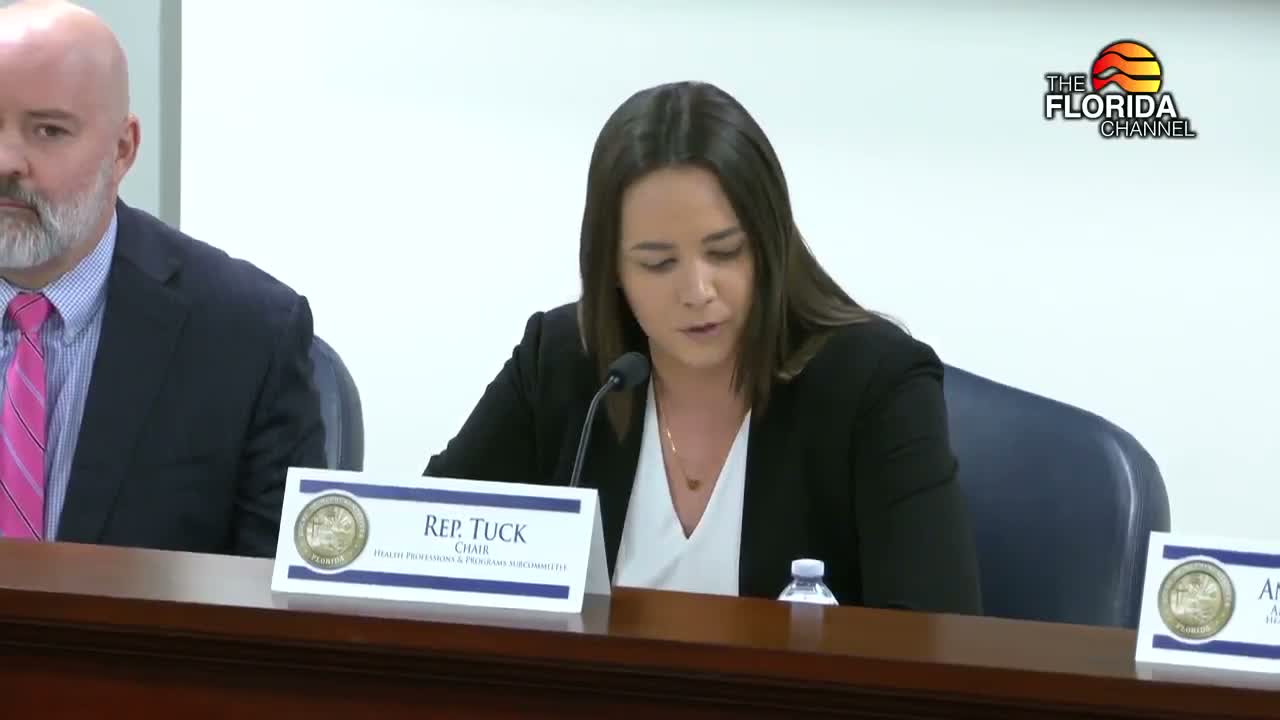
Representative Mello presented HB 743, saying the bill "authorizes the attorney general to conduct investigations and initiate legal proceedings" against health care practitioners who violate Florida's ban on gender-affirming care for minors and that any monies recovered would be allocated "for the benefit of the minor." The measure also creates a third-degree felony for persons who aid or abet such violations.
The bill drew sharply divided public testimony. Supporters including Ryan Kennedy of the Florida Citizens Alliance and Aaron DiPietro of Florida Family Voice said the bill closes a loophole and ensures enforcement, with DiPietro saying it "ensures that damages will go directly to the injured child." Quinn Diaz of Equality Florida urged a no vote, arguing the measure "criminalizes care and weaponizes the attorney general's office" and could subject routine health and school-based services to investigation under vague standards.
During debate, members questioned how broadly the aiding-and-abetting provision would reach. Representative Rosenwald asked whether routine interactions—such as a school social worker conducting a suicide assessment—could expose professionals to liability; the sponsor replied that the bill was not intended to "criminalize anything new" and that routine lawful activity should not be targeted. Other members pressed on the statute's long list of "health care practitioner" categories and asked for clearer definitions and evidentiary guardrails.
Representative Mello closed by citing earlier 2023 legislation that prohibited certain care for minors and urged enforcement mechanisms remain strong. The committee then voted 13 yeas and 4 nays to report the bill favorably. Next steps will be consideration by the full committee or subsequent floor action according to House process.
The bill drew sharply divided public testimony. Supporters including Ryan Kennedy of the Florida Citizens Alliance and Aaron DiPietro of Florida Family Voice said the bill closes a loophole and ensures enforcement, with DiPietro saying it "ensures that damages will go directly to the injured child." Quinn Diaz of Equality Florida urged a no vote, arguing the measure "criminalizes care and weaponizes the attorney general's office" and could subject routine health and school-based services to investigation under vague standards.
During debate, members questioned how broadly the aiding-and-abetting provision would reach. Representative Rosenwald asked whether routine interactions—such as a school social worker conducting a suicide assessment—could expose professionals to liability; the sponsor replied that the bill was not intended to "criminalize anything new" and that routine lawful activity should not be targeted. Other members pressed on the statute's long list of "health care practitioner" categories and asked for clearer definitions and evidentiary guardrails.
Representative Mello closed by citing earlier 2023 legislation that prohibited certain care for minors and urged enforcement mechanisms remain strong. The committee then voted 13 yeas and 4 nays to report the bill favorably. Next steps will be consideration by the full committee or subsequent floor action according to House process.
View the Full Meeting & All Its Details
This article offers just a summary. Unlock complete video, transcripts, and insights as a Founder Member.
✓
Watch full, unedited meeting videos
✓
Search every word spoken in unlimited transcripts
✓
AI summaries & real-time alerts (all government levels)
✓
Permanent access to expanding government content
30-day money-back guarantee
