State agency seeks licensure for community paramedicine to standardize care and enable reimbursement
February 03, 2026 | 2026 Legislature ME, Maine
This article was created by AI summarizing key points discussed. AI makes mistakes, so for full details and context, please refer to the video of the full meeting. Please report any errors so we can fix them. Report an error »
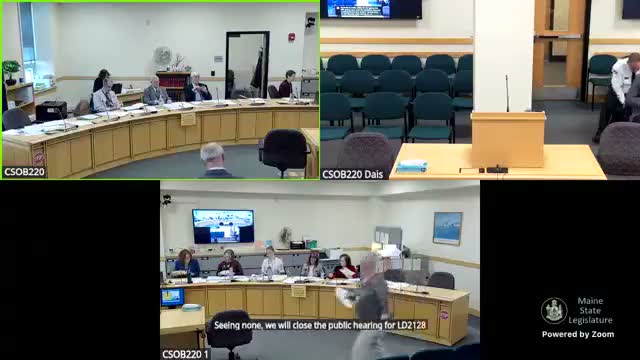
The Department of Maine Emergency Medical Services presented LD 2133 to establish definitions, minimum training, agency and clinician licenses and oversight for community paramedicine (CP) programs. Director Will O’Neil said the change is intended to move CP from a patchwork of pilots into a regulated, sustainable service that can meet federal reimbursement requirements.
O’Neil said LD 2133 would define community paramedicine and related roles, require specialized education/certification for clinicians, and require affiliations with local EMS agencies and primary‑care medical directors to protect quality and limit duplication with home‑health services. Stakeholders (including Maine AMT Association and regional EMS directors) said consistent licensure is necessary for insurers to build reliable reimbursement models and for the field to scale in rural areas.
Proponents stressed safeguards in the draft: background checks, mandatory reporter and other trainings, medical oversight by both EMS and primary‑care medical directors, and annual reporting to enable monitoring. Supporters noted about 20 CP agencies already operate in Maine and argued licensing will support sustainable funding and protect patients.
What’s next: Committee members asked clarifying questions about affiliation requirements and how episodic care will be defined; the department said episodic language was negotiated with home‑health partners to avoid duplicating long‑term services. No vote occurred at the hearing; staff will prepare materials for work session consideration.
O’Neil said LD 2133 would define community paramedicine and related roles, require specialized education/certification for clinicians, and require affiliations with local EMS agencies and primary‑care medical directors to protect quality and limit duplication with home‑health services. Stakeholders (including Maine AMT Association and regional EMS directors) said consistent licensure is necessary for insurers to build reliable reimbursement models and for the field to scale in rural areas.
Proponents stressed safeguards in the draft: background checks, mandatory reporter and other trainings, medical oversight by both EMS and primary‑care medical directors, and annual reporting to enable monitoring. Supporters noted about 20 CP agencies already operate in Maine and argued licensing will support sustainable funding and protect patients.
What’s next: Committee members asked clarifying questions about affiliation requirements and how episodic care will be defined; the department said episodic language was negotiated with home‑health partners to avoid duplicating long‑term services. No vote occurred at the hearing; staff will prepare materials for work session consideration.
Don't Miss a Word: See the Full Meeting!
Go beyond summaries. Unlock every video, transcript, and key insight with a Founder Membership.
✓
Get instant access to full meeting videos
✓
Search and clip any phrase from complete transcripts
✓
Receive AI-powered summaries & custom alerts
✓
Enjoy lifetime, unrestricted access to government data
30-day money-back guarantee
