Subcommittee hears heated debate over SB792 defining 'puppy mill'; consideration continued to 2027
February 03, 2026 | 2026 Legislature VA, Virginia
This article was created by AI summarizing key points discussed. AI makes mistakes, so for full details and context, please refer to the video of the full meeting. Please report any errors so we can fix them. Report an error »
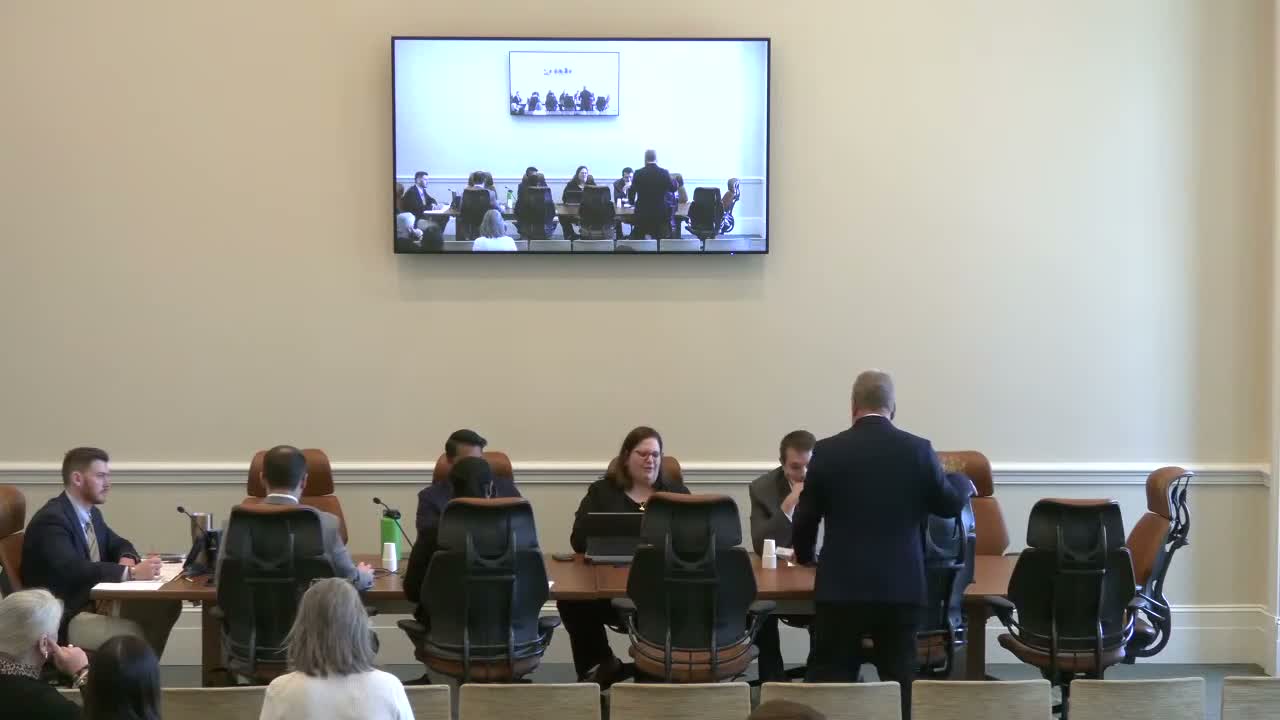
Sen. Stanley introduced SB792, describing the bill as a straightforward effort to define "puppy mill" in state code and to bar pet shops from selling dogs sourced from operations that fail to provide adequate care. "That's the bill, madam chair," he said, framing it as a consumer-protection and animal-welfare measure.
Proponents and investigators described a pipeline of out-of-state breeders supplying Virginia pet stores and cited inspection and health concerns. A witness who toured stores said none of the breeders who supplied the pet stores visited were from Virginia and reported suppliers with large populations of dogs; the witness said the average price observed was $3,052 and that some stores listed puppies up to $7,000. Advocates argued sealing the pipeline would reduce shelter overcrowding and predatory sales tactics.
Owners and representatives of Virginia pet stores urged caution. Morgan Adelduce, a Rockersville pet-store manager, urged the committee to oppose SB792, saying the bill "threatens the stability of our store and the livelihoods of the people who work there." Zach Tybert of Tiny Paws and other owners said the proposal duplicates existing oversight, citing federal rules, state inspections and recordkeeping, and warned the measure could push buyers to unregulated online sellers outside Virginia's reach.
David McGreeby of the Virginia Department of Agriculture told the committee the department's inspections over recent years found "very minimal violations, and most of those have been related to more technical issues," and that inspectors had not noted animal-care violations in the shops he discussed. Committee members pressed on whether Virginia should adopt the statutory term "puppy mill," noting that other code sections already address dealer and breeder conduct and asking for data on statewide violations.
After extended testimony and questioning, a committee member moved to continue consideration of SB792 to 2027; the motion was seconded and approved by voice vote.
The bill's supporters emphasized national data and the need to prevent inhumane breeding practices; business owners emphasized economic consequences and existing compliance burdens. The subcommittee did not take further action this session and continued the bill to next year.
Proponents and investigators described a pipeline of out-of-state breeders supplying Virginia pet stores and cited inspection and health concerns. A witness who toured stores said none of the breeders who supplied the pet stores visited were from Virginia and reported suppliers with large populations of dogs; the witness said the average price observed was $3,052 and that some stores listed puppies up to $7,000. Advocates argued sealing the pipeline would reduce shelter overcrowding and predatory sales tactics.
Owners and representatives of Virginia pet stores urged caution. Morgan Adelduce, a Rockersville pet-store manager, urged the committee to oppose SB792, saying the bill "threatens the stability of our store and the livelihoods of the people who work there." Zach Tybert of Tiny Paws and other owners said the proposal duplicates existing oversight, citing federal rules, state inspections and recordkeeping, and warned the measure could push buyers to unregulated online sellers outside Virginia's reach.
David McGreeby of the Virginia Department of Agriculture told the committee the department's inspections over recent years found "very minimal violations, and most of those have been related to more technical issues," and that inspectors had not noted animal-care violations in the shops he discussed. Committee members pressed on whether Virginia should adopt the statutory term "puppy mill," noting that other code sections already address dealer and breeder conduct and asking for data on statewide violations.
After extended testimony and questioning, a committee member moved to continue consideration of SB792 to 2027; the motion was seconded and approved by voice vote.
The bill's supporters emphasized national data and the need to prevent inhumane breeding practices; business owners emphasized economic consequences and existing compliance burdens. The subcommittee did not take further action this session and continued the bill to next year.
View the Full Meeting & All Its Details
This article offers just a summary. Unlock complete video, transcripts, and insights as a Founder Member.
✓
Watch full, unedited meeting videos
✓
Search every word spoken in unlimited transcripts
✓
AI summaries & real-time alerts (all government levels)
✓
Permanent access to expanding government content
30-day money-back guarantee
