Committee holds speedy-trial measure after concerns about court resources and timelines
February 02, 2026 | 2026 Utah Legislature, Utah Legislature, Utah Legislative Branch, Utah
This article was created by AI summarizing key points discussed. AI makes mistakes, so for full details and context, please refer to the video of the full meeting. Please report any errors so we can fix them. Report an error »
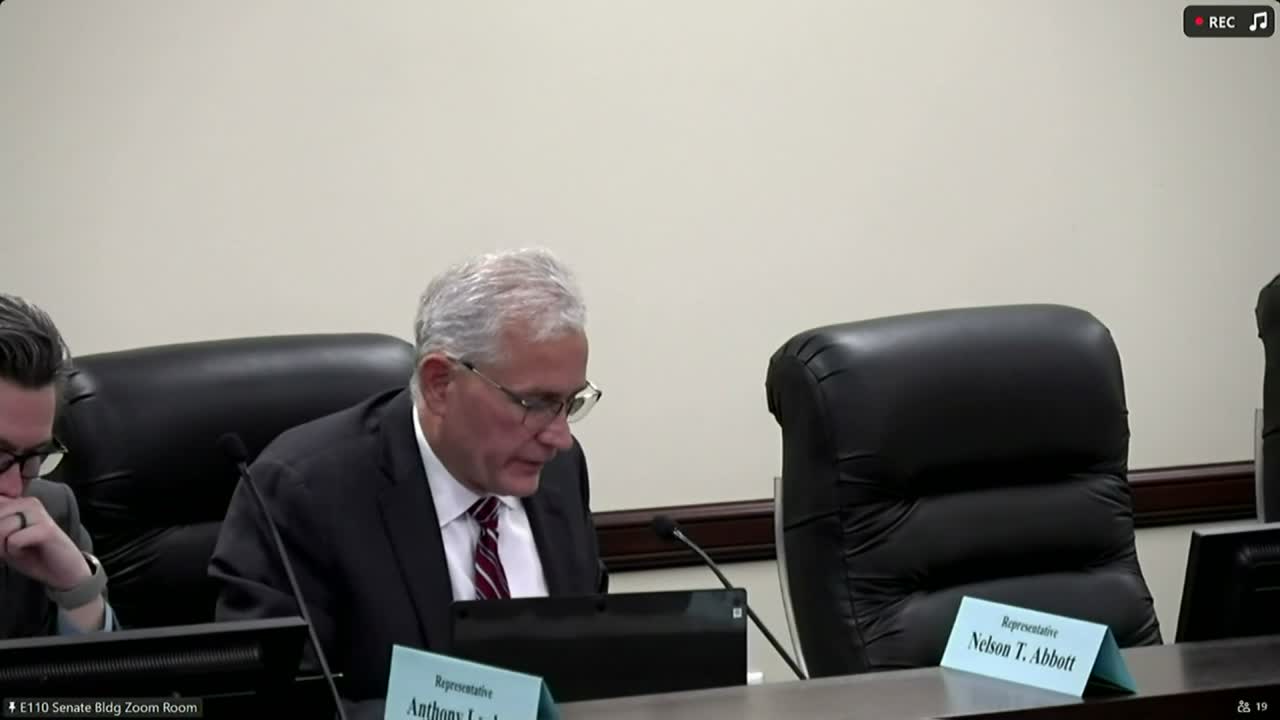
Representative Abbott presented a substitute to House Bill 213 that would permit a defendant or a victim to file a written request for a speedy trial within set timelines. Abbott said the substitute removes an automatic-dismissal remedy and instead relies on exceptions so courts can extend deadlines for good cause.
"The bill gives quite a few exceptions, when speedy trials need not occur," Abbott said, adding the measure is intended to balance due process for defendants with victims' rights to timely resolution.
Michael Drexel, assistant state court administrator, told the committee Utah courts are resource constrained: "There were 42,000 felony and class A misdemeanor cases filed in district courts last year, and there are 78 district court judges... 98% of those cases won't need a trial." He warned that setting 90/180-day trial deadlines would stack dozens of unnecessary trial dates and clog calendars.
The attorney general's office and defense groups raised concerns about missing language that excludes common good-cause delays such as witness availability or pending lab results and about prosecutorial resource implications. Victim-services commissioners said the substitute addressed the immediate concern that an automatic dismissal would harm victims' ability to seek restitution.
After adopting the first substitute by voice vote, the committee voted to hold the bill to allow additional stakeholder work; Representative Abbott supported holding the measure to address concerns. The motion to hold passed unanimously.
"The bill gives quite a few exceptions, when speedy trials need not occur," Abbott said, adding the measure is intended to balance due process for defendants with victims' rights to timely resolution.
Michael Drexel, assistant state court administrator, told the committee Utah courts are resource constrained: "There were 42,000 felony and class A misdemeanor cases filed in district courts last year, and there are 78 district court judges... 98% of those cases won't need a trial." He warned that setting 90/180-day trial deadlines would stack dozens of unnecessary trial dates and clog calendars.
The attorney general's office and defense groups raised concerns about missing language that excludes common good-cause delays such as witness availability or pending lab results and about prosecutorial resource implications. Victim-services commissioners said the substitute addressed the immediate concern that an automatic dismissal would harm victims' ability to seek restitution.
After adopting the first substitute by voice vote, the committee voted to hold the bill to allow additional stakeholder work; Representative Abbott supported holding the measure to address concerns. The motion to hold passed unanimously.
View the Full Meeting & All Its Details
This article offers just a summary. Unlock complete video, transcripts, and insights as a Founder Member.
✓
Watch full, unedited meeting videos
✓
Search every word spoken in unlimited transcripts
✓
AI summaries & real-time alerts (all government levels)
✓
Permanent access to expanding government content
30-day money-back guarantee
